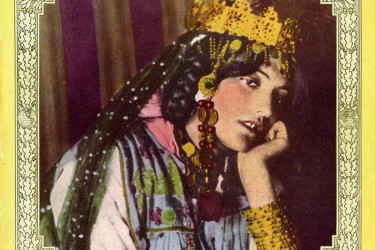
A National Geographic magazine photograph of an Algerian woman.
partner

How National Geographic Conquered American Culture

The magazine’s explosive growth mirrored the nation's emergence as a global empire.
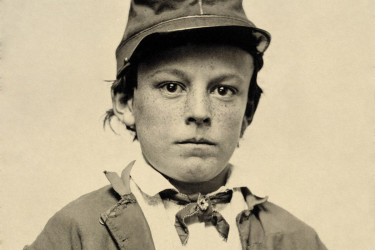
Unidentified young soldier in Confederate infantry uniform.
partner

The Civil War Fight Over Underage Soldiers

Families turned to habeas corpus to recover enlisted sons, forcing a constitutional showdown over military power.
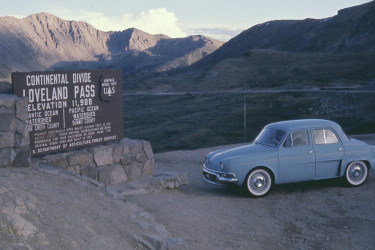
The US Continental Divide at the top of Loveland Pass, Colorado, 1964.
partner

The Invention of the Continental Divide

A Civil War-era push for unity helped transform a little-known geographic boundary into a powerful symbol of American identity.
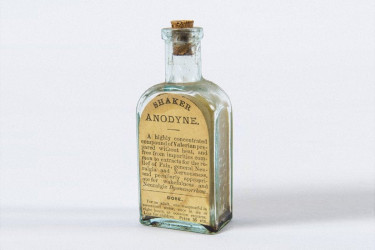
A bottle of patent medicine.
partner

A Trusted Name in a Dubious Drug Market

Amid the fraud and flimflam of early drug markets, Shakers stood for purity, creating a brand others were eager to exploit.
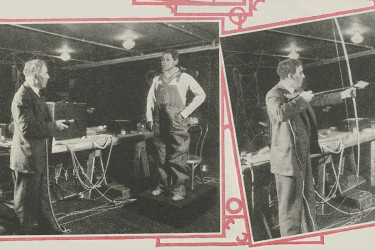
Images of Rastus Robot in an issue of Radio-Craft magazine from 1931, standing over tools.
partner

How America Racialized the Robot

Early robots in the US evolved from symbols of revolt into racialized figures tied to labor and the legacy of slavery.
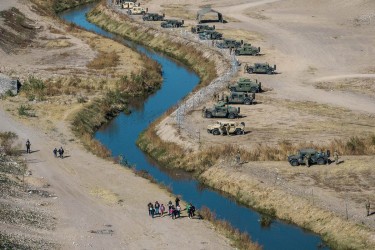
The Mexican side of the Rio Grande on December 21, 2022.
partner

How the Rio Grande Was Engineered into a Border

Twisting waters once blurred the boundary, but twentieth-century engineering turned the Rio Grande into a fixed, policed line.
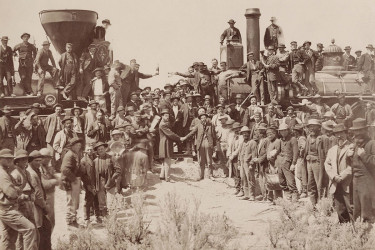
The ceremony for the driving of the golden spike at Promontory Summit, Utah on May 10, 1869
partner

How The West Was Photographed

Railroad photography helped sell an “empty” American West—carefully framing out the people already living there.
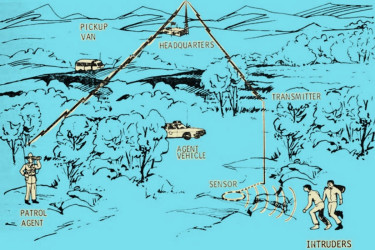
Diagram of the Border Patrol’s intrusion detection system.
partner

The Long History of High-Tech Border Policing

In the 1970s, sensors and computers turned the US–Mexico border into a testing ground for automated control.
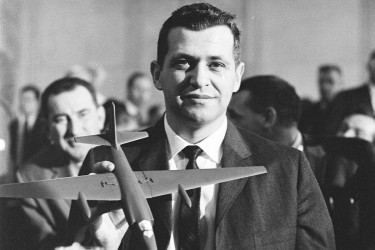
Francis Gary Powers holding a model U-2 plane.
partner

Unforgettable Fire: The U-2 Incident

Reports on the May 1960 downing of an American U-2 spy plane over the Soviet Union offer a case study in Cold War posturing and misdirection.
Federal encampment on Cumberland Landing, Virginia.
partner

How the Union Lost the Remembrance War

The victors of the American Civil War failed to write their story into the history books, leaving a gap for the mythologizing of the Confederacy.
James R. Schlesinger, 1973
partner

Politicizing Intelligence: Nixon’s Man at the CIA

James R. Schlesinger was only head of the CIA for six months, but he nevertheless ranks as the least popular director in the agency’s history.
Poster of the first issue stamp celebrating the Mendez v. Westminster School District case.
partner

Mendez v. Westminster and Mexican American Desegregation

International relations and foreign influence helped end legal segregation of Mexican American students in California after World War II.
Wild timber rattlesnake (Crotalus horridus) on train tacks at sunrise, Florida Getty
partner

Actual American Rattlesnakes

Historians are recovering the overlooked history of North America’s Crotalus horridus, the timber rattlesnake.
Spectators in the stands and lining the outfield to watch a baseball game.
partner

Take Me Out to the Class Game: Social Stratification in the Stadium

The private boxes for the privileged few in today’s baseball stadiums are nothing new.
Color lithograph advertisement showing the interior of a Pullman dining-car, with the Pullman factory out the window, 1894.
partner

Walking the Race Line on the Train Line

Investigators never reached a conclusion about the death of Pullman porter J. H. Wilkins, but his killing revealed much about the dangers of his profession.
Thomas Jefferson
partner

Thomas Jefferson: A Vote for Cutting Off Your Nose

To reduce Virginia’s use of the death penalty, Thomas Jefferson proposed using permanent disfigurement as a punishment for rape, polygamy, and sodomy.
California gold miners, ca. 1850–1852.
partner

A Gold Rush of Witnesses

Letters, diaries, and remembrances shared on JSTOR by University of the Pacific reveal the hardships of day-to-day life during the California Gold Rush.
Meeting of delegates to approve the Charter of the United Nations, San Francisco, 1945.
partner

Origins of the UN: The US and USSR

The genesis of the United Nations came from the nations united as Allies against the Axis powers, but who really pushed the institution into being?
Brigadier General Smedley Butler.
partner

Genesis of the Modern American Right

During the Great Depression, financial elites translated European fascism into an American form that joined high capital with lower middle-class populism.
Image of a man distributing newspapers at a post office.
partner

The Post Office and Privacy

We can thank the postal service for establishing the foundations of the American tradition of communications confidentiality.
Uncle Sam on ladder hanging up Postal Savings Bank sign
partner

A People’s Bank at the Post Office

The Postal Savings System offered depositors a US government-backed guarantee of security, but it was undone by for-profit private banks.
Harry S. Truman, Dwight D. Eisenhower, and Lyndon B. Johnson.
partner

The Border Presidents and Civil Rights

Three US presidents from the South’s borders—Truman, Eisenhower, and Johnson—worked against Southern politicians to support civil and voting rights.
Tiburcio Parrott sitting holding cane
partner

Birth of the Corporate Person

The defining of corporations as legal “persons” entitled to Fourteenth Amendment rights got a leg up from the fight over a California anti-Chinese immigrant law.
partner

The Annotated Oppenheimer

Celebrated and damned as the “father of the atomic bomb,” theoretical physicist J. Robert Oppenheimer lived a complicated scientific and political life.