Menu
Excerpts
Exhibits
Collections
Originals
Podcasts
Categories
Map
Search
Bylines
Nicholas Guyatt
All Content Related to This Author
Viewing 1–6 of 6 written by Nicholas Guyatt
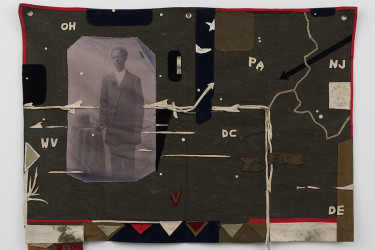
The Most Rancorous Line
How did the Mason–Dixon Line—meant to resolve a longstanding colonial border dispute—come to represent the US’s foundational divide between slavery and freedom?
by
Nicholas Guyatt
via
New York Review of Books
This publication restricts nonsubscriber access to some or all of its articles.
on
December 25, 2025
Blues, Grays & Greenbacks
How Lincoln's administration financed the Civil War and transformed the nation's decentralized economy into the global juggernaut of the postwar centuries.
by
Nicholas Guyatt
via
New York Review of Books
This publication restricts nonsubscriber access to some or all of its articles.
on
May 4, 2023
Partners in Brutality
New books investigate the brutality of the internal slave trade by focusing on businesses, and examine the role of white women in enslaving Black people.
by
Nicholas Guyatt
via
New York Review of Books
This publication restricts nonsubscriber access to some or all of its articles.
on
October 18, 2021
How Proslavery Was the Constitution?
A review of a book by Sean Wilentz's "No Property in Man," which argues that the document is full of anti-slavery language.
by
Nicholas Guyatt
via
New York Review of Books
This publication restricts nonsubscriber access to some or all of its articles.
on
June 2, 2019
An Independence Day Alternative
How "enlightened" leaders of the early US ignored an Independence Day speech and set in motion indigenous peoples' brutalization.
by
Nicholas Guyatt
via
Jacobin
This publication restricts nonsubscriber access to some or all of its articles.
on
July 4, 2017
A Topic Best Avoided
After the Civil War, Abraham Lincoln faced the issue of sorting out a nation divided over the issue of freed slaves. But what were his views on it?
by
Nicholas Guyatt
via
London Review of Books
This publication restricts nonsubscriber access to some or all of its articles.
on
December 1, 2011