Menu
Excerpts
Exhibits
Collections
Originals
Podcasts
Categories
Map
Search
Category
Beyond
On Americans’ connections to the larger world.
Load More
Viewing 721–750 of 999
After Slavery: How the End of Atlantic Slavery Paved a Path to Colonialism
Abolition in Africa brought longed-for freedoms, but also political turmoil, economic collapse and rising enslavement.
by
Toby Green
via
Aeon
on
March 30, 2021
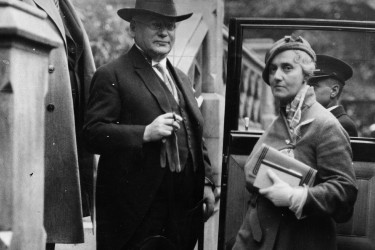
The People’s Ambassadress: The Forgotten Diplomacy of Ivy Litvinov
How Ivy Litvinov, the English-born wife of a Soviet ambassador, seduced America with wit, tea and soft diplomacy.
by
Brigid O'Keefe
via
Aeon
on
March 29, 2021
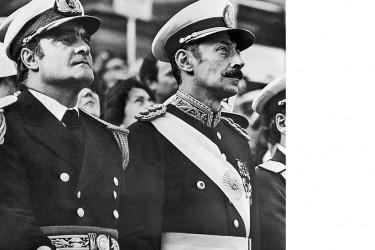
Argentina’s Military Coup of 1976: What the U.S. Knew
Declassified documents show the State Department had ample forewarning that a coup was being plotted, and that human rights violations would be committed.
via
National Security Archive
on
March 23, 2021
The Other Nuremberg Trials, Seventy-Five Years On
Failures in prosecuting German businesses who profited in Nazi Germany show how far Europe and America were willing to go to protect capitalism.
by
Erica X. Eisen
via
Boston Review
on
March 22, 2021
When Constitutions Took Over the World
Was this new age spurred by the ideals of the Enlightenment or by the imperatives of global warfare?
by
Jill Lepore
via
The New Yorker
This publication restricts nonsubscriber access to some or all of its articles.
on
March 22, 2021
Photographer Lee Miller’s Subversive Career Took Her from Vogue to War-Torn Germany
She also acted as a muse to artist Man Ray, with whom she briefly led a relationship.
by
Angelica Villa
via
Art In America
on
March 19, 2021
Our Strange Addiction
The transformation of tobacco and cannabis into early modern global obsessions.
by
Benjamin Breen
via
Lapham’s Quarterly
on
March 15, 2021
How a Cuban Spy Sabotaged New York's Thriving, Illicit Slave Trade
Emilio Sanchez and the British government fought the lucrative business as American authorities looked the other way.
by
John Harris
via
Smithsonian Magazine
on
March 8, 2021
The Manifest Destiny Marauders Who Gave the “Filibuster” Its Name
Long before Southern Democrats filibustered Civil Rights legislation, “filibusteros” were conquering slave territories for the United States.
by
John Patrick Leary
via
The New Republic
This publication restricts nonsubscriber access to some or all of its articles.
on
March 5, 2021
New York City and the Persistence of the Atlantic Slave Trade
Even after slave trade was banned, the United States and New York City, in particular, were complicit in allowing it to persist.
by
Gerald Horne
via
The Nation
This publication restricts nonsubscriber access to some or all of its articles.
on
February 24, 2021
The Once-Classified Tale of Juanita Moody: The Woman Who Helped Avert a Nuclear War
America’s bold response to the Soviet Union depended on an unknown spy agency operative whose story can at last be told.
by
David Wolman
,
Susan Seubert
via
Smithsonian Magazine
on
February 23, 2021
The Never-Ending Frontier?
The US imperialist wars in the Philippines, Korea, Vietnam, and Afghanistan grew from US wars against Indigenous people in the 19th century.
by
Karl Jacoby
via
Public Books
on
February 9, 2021
The Americans Who Embraced Mussolini
As we confront rightwing extremism in our own time, the history of American fascist sympathy reveals a legacy worth reckoning with.
by
Justin H. Vassallo
via
Boston Review
on
February 1, 2021
The Great White Reunion: On Duncan Bell’s “Dreamworlds of Race”
Could the separation of the Revolutionary War have been patched in the late 19th century? Some powerful men tried...
by
Bassam Sidiki
via
Los Angeles Review of Books
on
January 26, 2021
The Limits of Caste
By neglecting the history of the Black diaspora, Isabel Wilkerson's "Caste: The Origins of Our Discontents" fails to reckon with systems of racial capitalism.
by
Hazel V. Carby
via
London Review of Books
This publication restricts nonsubscriber access to some or all of its articles.
on
January 21, 2021
The Hour of the Barbarian
What happened on January 6 was profoundly American, emerging as it did from our long and very specific history. No one did this to us.
by
Vincent Bevins
via
n+1
on
January 11, 2021
The End of Empire and the Rise of Tax Havens
How decolonisation propelled the growth of low-tax jurisdictions, with lasting economic implications for former colonies.
by
Vanessa Ogle
via
New Statesman
This publication restricts nonsubscriber access to some or all of its articles.
on
December 18, 2020
partner
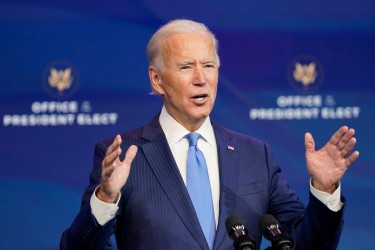
What Biden’s Attachment to An American Century Might Mean
Biden’s vision may conflict with promoting purported American values such as democracy and human rights.
by
Suzanne Enzerink
via
Made By History
on
December 16, 2020
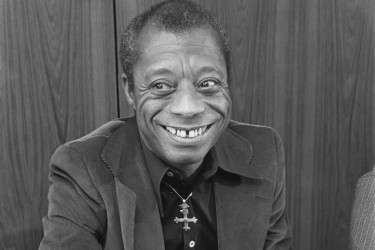
James Baldwin, Here and Elsewhere
How the United States terrorizes the rest of the world, Baldwin realized abroad, echoed how it terrorized its inhabitants at home.
by
Begum Adalet
via
Public Books
on
December 16, 2020
partner
If Nations Compete For Doses of Coronavirus Vaccines, We’ll All Lose
Pandemics can only be contained through organized collaboration and cooperative diplomacy.
by
Michael Falcone
via
Made By History
on
December 9, 2020
The Vanishing American Century?
After World War II, American power on the world stage was defined by internationalism and cooperation.
by
Daniel Immerwahr
,
Jeremi Suri
via
Not Even Past
on
December 9, 2020
The Long Roots of Endless War
A new history shows how the glut of US military bases abroad has led to a constant state of military conflict.
by
Daniel Immerwahr
via
The Nation
This publication restricts nonsubscriber access to some or all of its articles.
on
November 30, 2020
“It is History and It Is Fascinating”
Katherine Fite and the Nuremberg War Crime Trials, 1945.
by
Tammy Williams
via
U.S. National Archives
on
November 19, 2020
partner
Black Americans in the Popular Front Against Fascism
The era of anti-fascist struggle was a crucial moment for Black radicals of all stripes.
by
Mohammed Elnaiem
via
JSTOR Daily
on
November 12, 2020
What We Should Remember on Armistice Day
World War I was a catastrophic, barbaric conflict that left tens of millions of people dead and set the stage for anti-democratic rollbacks for years to come.
by
Michael Brenes
via
Jacobin
This publication restricts nonsubscriber access to some or all of its articles.
on
November 11, 2020
Warfare State
Democrats and Republicans are increasingly united in an anti-China front. But their approaches to U.S. foreign policy diverge.
by
Thomas Meaney
via
London Review of Books
This publication restricts nonsubscriber access to some or all of its articles.
on
October 28, 2020
Why Is America the World’s Police?
A new book explains how U.S. political elites sold the UN to the public as a route to global peace, while all along wanting it as a cover for militarization.
by
Sam Lebovic
via
Boston Review
on
October 19, 2020
The Jamaican Slave Insurgency That Transformed the World
From Vincent Brown's Cundill Prize-nominated "Tacky’s Revolt."
by
Vincent Brown
via
Literary Hub
on
October 14, 2020
The Day Nuclear War Almost Broke Out
In the nearly sixty years since the Cuban missile crisis, the story of near-catastrophe has only grown more complicated.
by
Elizabeth Kolbert
via
The New Yorker
This publication restricts nonsubscriber access to some or all of its articles.
on
October 5, 2020
44 Years Ago Today, Chilean Socialist Orlando Letelier Was Assassinated on US Soil
On September 21, 1976, he was assassinated by a car bomb in the heart of Washington, DC.
by
Alan McPherson
via
Jacobin
This publication restricts nonsubscriber access to some or all of its articles.
on
September 21, 2020
Previous
Page
25
of 34
Next