Menu
Excerpts
Exhibits
Collections
Originals
Podcasts
Categories
Map
Search
Category
Science
On our knowledge about the observable world.
Load More
Viewing 361–390 of 1,075
A Structural History of American Public Health Narratives
Rereading Priscilla Wald’s "Contagious" and Nancy Tomes’ "Gospel of Germs" amidst a 21st-century pandemic.
by
Amy Mackin
via
Assay Journal
on
March 25, 2023
The Forgotten Women Aquanauts of the 1970s
These scientists spent weeks underwater doing research—and convincing NASA women could also go into space.
by
Amy Crawford
via
Atlas Obscura
on
March 24, 2023
Law, Medicine, Women’s Authority, and the History of Troubled Births
A new book "examines legal cases of women accused of infanticide and concealment of stillbirth."
by
Lara Freidenfelds
via
Nursing Clio
on
March 22, 2023
Percy Julian and the False Promise of Exceptionalism
Reflecting on the trailblazing chemist’s fight for dignity and the myths we tell about our scientific heroes.
by
Alexis J. Pedrick
via
Distillations
on
March 16, 2023
The Transformative and Hungry Technologies of Copper Mining
Our own world is built from copper, and so too will future worlds be.
by
Robrecht Declercq
,
Duncan Money
via
Edge Effects
on
March 16, 2023
The Reckless History of the Automobile
In "The Car," Bryan Appleyard sets out to celebrate the freedom these vehicles granted. But what if they were a dangerous technology from the start?
by
Paris Marx
via
The Nation
This publication restricts nonsubscriber access to some or all of its articles.
on
March 13, 2023
The Strange History of BMI, the Body Mass Index
BMI is a simple calculation, but how it is translated into a diagnosis is complex and flawed.
via
STAT
on
March 9, 2023
partner
The Eugenic Roots of ‘Quality Adjusted Life Years,’ and Why They Matter
Why a powerful House Republican wants to ban a common insurance practice.
by
Pepper Stetler
via
Made By History
on
March 8, 2023
Visualizing Women in Science
A new interactive digital project recovers biographies of women in science, and recreates the social networks that were essential to sustaining their work.
via
American Philosophical Society
on
March 3, 2023
Black Women and the Racialization of Infanticide
Loss of control over knowledge of the female body cemented women’s status as second-class citizens.
by
Rebekka Michaelsen
via
Black Perspectives
on
March 2, 2023
The Rotten Science Behind the MSG Scare
How one doctor’s letter and a string of dodgy studies spurred a public health panic.
by
Sam Kean
via
Distillations
on
March 2, 2023
Civil War Weather
The U.S. Army's contributions to meteorology.
by
Cecily Nelson Zander
via
Emerging Civil War
on
February 28, 2023
Phosphorus Saved Our Way of Life—and Now Threatens to End It
Fertilizers filled with the nutrient boosted our ability to feed the planet. Today, they’re creating vast and growing dead zones in our lakes and seas.
by
Elizabeth Kolbert
via
The New Yorker
This publication restricts nonsubscriber access to some or all of its articles.
on
February 27, 2023
The First Fossil Finders in North America Were Enslaved and Indigenous People
Decades before paleontology’s formal establishment, Black and Native Americans discovered—and correctly identified—millennia-old fossils.
by
Christian Elliott
via
Smithsonian Magazine
on
February 22, 2023
The Real Developmental Engine
Throughout its history, the technology sector has been dependent on the federal budget.
by
Jeannette Estruth
via
The Drift
This publication restricts nonsubscriber access to some or all of its articles.
on
February 22, 2023
partner
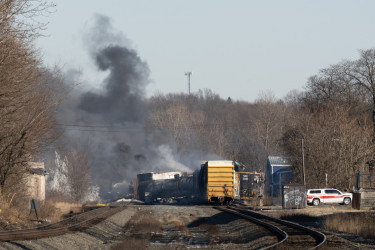
The Air Pollution Disaster that Echoes in the Ohio Train Derailment
What is an industry-made disaster, and what is caused by natural factors like weather?
by
Cassondra Hanna
via
Made By History
on
February 22, 2023
partner
Does John Fetterman’s Openness Signal New Acceptance of Mental Illness?
Some see the reaction to Sen. Fetterman’s announcement as a sign of progress, but that’s less true than you might think.
by
Jonathan Sadowsky
via
Made By History
on
February 21, 2023
A Wiser Sympathy
How Emily Dickinson, scientists, and other writers theorized plant intelligence in the nineteenth century.
by
Mary Kuhn
via
Lapham’s Quarterly
on
February 15, 2023
Race and Early American Medical Schools: Review of "Masters of Health"
Medical schools in the antebellum U.S. were critical in the formation of a medical community that shared ideas about racial science.
by
Natalie Shibley
via
Nursing Clio
on
February 14, 2023
A Virus Crippled U.S. Cities 150 Years Ago. It Didn’t Infect Humans.
The Great Epizootic, an equine flu in 1872-1873, infected most U.S. horses. Streetcars and mail delivery stopped across the country while fires raged.
by
Jodie Tillman
via
Retropolis
This publication restricts nonsubscriber access to some or all of its articles.
on
February 12, 2023
The Forgotten History of Head Injuries in Sports
Stephen Casper, a medical historian, argues that the danger of C.T.E. used to be widely acknowledged. How did we unlearn what we once knew?
by
Ingfei Chen
via
The New Yorker
This publication restricts nonsubscriber access to some or all of its articles.
on
February 11, 2023
The Forgotten Gas Stove Wars
We’ve been fighting over gas stoves for decades.
by
Rebecca Leber
via
Vox
on
February 5, 2023
Monterey Park: Who Made the Gun?
A relic of '80s scofflaw gun culture is still lethal.
by
Mathew Dessem
via
Popula
on
January 27, 2023
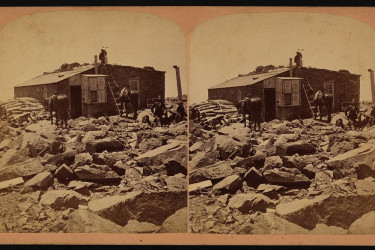
The Bitter Dinosaur Feud At The Heart of Palaeontology
As two warring bone hunters sought to destroy each other, they laid the foundations for our knowledge of dinosaurs.
by
Martha Henriques
via
BBC News
on
January 19, 2023
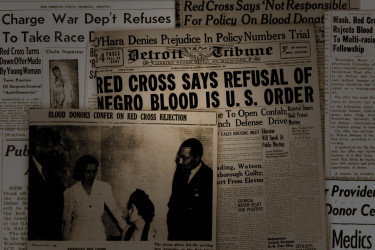
Good Blood, Bad Policy: The Red Cross and Jim Crow
A 1940s Red Cross rule, which racially segregated blood, propped up notions of racial difference and Black inferiority.
by
Melba Newsome
via
UnDark
on
January 18, 2023
The Cult of Bike Helmets
The history—and danger—of a modern safety obsession.
by
Marion Renault
via
Slate
This publication restricts nonsubscriber access to some or all of its articles.
on
January 16, 2023
partner
Nuclear Meltdowns Raised Fears, but Growing Energy Needs May Outweigh Them
Catastrophic accidents at power plants have heightened fears about the safety of nuclear energy, but it's getting renewed attention as a way to fight global warming.
via
Retro Report
on
January 5, 2023
partner
Locking Up the Mentally Ill Has a Long History
The prospect of removing people from communities to be put in institutions has been a project of social control.
by
Elliott Young
via
Made By History
on
January 3, 2023
J. Robert Oppenheimer Cleared of “Black Mark” Against His Name After 68 Years
Manhattan Project physicist was infamously stripped of his security clearance in 1954.
by
Jennifer Ouellette
via
Ars Technica
on
December 25, 2022
The First Americans – A Story of Wonderful, Uncertain Science
Archaeology and genetics can’t yet agree on when humans first arrived in the Americas. That’s good science, and here’s why.
by
Jennifer Raff
via
Aeon
on
December 22, 2022
Previous
Page
13
of 36
Next