Collection
Revolutionary Historiography
Generations of historians have written and rewritten the American Revolution with newly discovered evidence, formerly overlooked players and events, and attention to themes that resonated with the political discourse swirling around them. The dominant 19th-century narrative framed the conflict as the triumph of virtuous citizens against despotic oppression. In the wake of U.S. overseas expansionism, historians began to study revolution’s imperial dimensions with renewed awareness of the difficulty of governing a sprawling empire and the role of resource extraction in maintaining colonial trade networks. As Progressives pursued constitutional, political, and economic reforms, historians began to see the revolution as a social transformation driven by economic concerns, an anti-elitist fight for self-governance catalyzed by the class politics of farmers, merchants, and land speculators, and the conflicting interests of creditors and debtors. The pieces below are recent interpretations that take up these strands of analysis.

This collection was featured in Continuum, the joint Bunk and HNN newsletter, on February 19, 2026: https://tinyurl.com/Continuum2-19-26
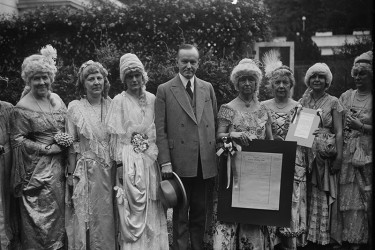
President Calvin Coolidge’s address at the 150th anniversary of the U.S. drew from the Whig interpretation of history that painted the Revolution as an ideological triumph of virtue over tyranny. Following that logic, the nation’s work was done. Historians studying the conflict’s social and economic aspects disagreed.





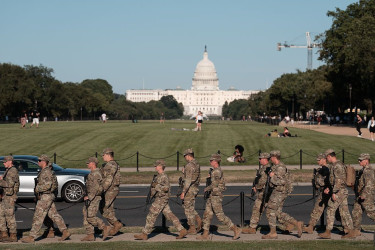
In a time of increasing police militarization, and the Trump administration’s use of federal troops for domestic law enforcement, Donald Johnson sees a warning from the Revolution, when deploying Redcoats to American cities worked in the short term but eventually alienated even the colonists most loyal to the British.
