With the proposal to station military personnel in American cities, it seems a rare bipartisan red line has been crossed. Speaking on the Fifth Column podcast, right-wing commentator Megyn Kelly asserted that the government cannot send troops to Chicago without an invitation:
If President Trump did that without an invitation from the Illinois Governor, I would criticize him. I would absolutely go on the air and say you can’t do that…If he sends a bunch of troops to Oregon state to address the crime problem, he and I are going to have a problem. He cannot do that under the Constitution, and I will call him out.
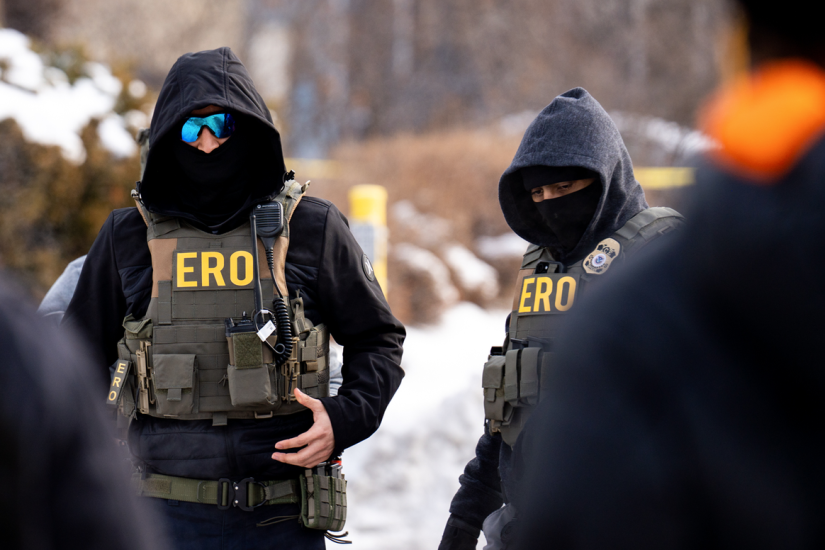
The Supreme Court of the United States ‘concurred’ with this opinion, choosing to uphold a federal ruling blocking the deployment of National Guard troops. Prior to that verdict, Judge William G. Young of Massachusetts wrote a scathing 161-page opinion condemning the Trump administration for, among other things, empowering masked men to terrorize civilians in clear violation of the Constitution. Of particular concern to this Reagan-appointed judge was the use of masks to conduct legally dubious raids, a particularly unpleasant throwback to the terror of the Reconstruction period:
And there’s the issue of masks…ICE goes masked for a single reason—to terrorize Americans into quiescence…It should be noted that our troops do not ordinarily wear masks…It is a matter of honor—and honor still matters. To us, masks are associated with cowardly desperados and the despised Ku Klux Klan. In all our history we have never tolerated an armed masked secret police. Carrying on in this fashion, ICE brings indelible obloquy to this administration and everyone who works for it.
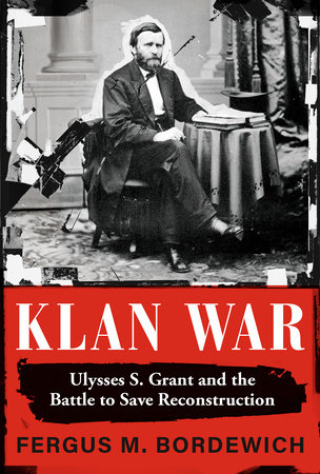
During its first campaign of terror (1867-1872), the Klan killed an untold number of civilians before being finally put down by the federal government. In Klan War, historian Ferguson M. Bordewich tells the brutal story of this mighty federal effort to restore respect for the rule of law and the authority of government. At the center of this moral crusade was President Ulysses S. Grant. The stone-faced general first heard of the existence of this shadowy group while serving as chief military officer in the Johnson administration. In May of 1868, Grant received a distressing telegram from one of his informants in the south. The message described a veritable state of anarchy in the former rebel states: ‘‘Loyal men are being murdered in many parishes…revenge and murders are rampant in our state…can nothing be done to protect our loyal people from assasination?’’ (Grant, p. 613)