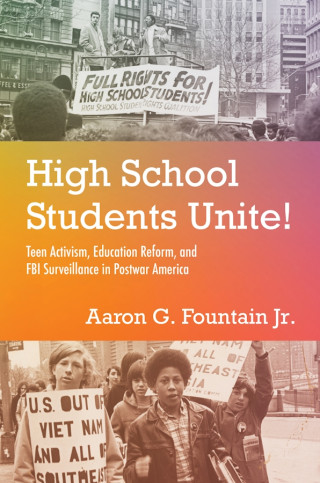
On April 30, 1968, over 1,400 Black and white students participated in coordinated sit-ins across six Cincinnati high schools. Displeased by the presence of police in schools, the absence of Black Student Unions, the lack of Black history courses, and the city’s dilapidated school facilities and outdated policies, Black students outlined a set of demands to remedy these grievances. They organized. To raise awareness, students passed out leaflets announcing the sit-in and listing their proposals.
Harmless, at least from our contemporary vantage point. Anarchy, some contemporaries charged. And they possessed the power to put an end to it. Especially Superintendent Paul Miller.
In the days leading up to the sit-in, Miller met with school administrators, police, and city officials and permitted the demonstration to proceed so long as it remained peaceful. On the day itself, students filled hallways, blocked entrances, and distributed fliers outlining their demands. The sit-in remained nonviolent. School and city officials, however, responded with force.
Subscribers of the Cincinnati Enquirer learned of the consequences of the students’ actions on the front page. “1,306 Students Are Suspended,” read the text in an outlined box, positioned next to a headline in which the superintendent blamed “outside agitators” for the incident. The students would miss two weeks of school.
The response escalated from punishment to surveillance and confinement. The Juvenile Court stationed a referee at each school and ordered that suspended students be placed under house arrest for the duration of their suspensions. Any student who refused to leave campus would be cited. At another school, police hauled students who refused to vacate into wagons and sent them to Juvenile Court for immediate hearings. One judge even threatened contempt charges against parents who failed to keep their children under house arrest.
Parents and students were outraged. Some adults expressed their displeasure by picketing the Board of Education. One suspended student penned a letter to the Cincinnati Post highlighting the hypocrisy of the response. “Instead of praise for following the American tradition which they learned in school,” he wrote, “they were suspended from school for up to two weeks or were arrested.”
All hope was not lost. The participants faced consequences, but they ultimately emerged victorious in meaningful ways. After meeting with students and their parents, Miller yielded to several of their demands. He reinstated four reassigned pupils, convicted only three individuals for trespassing during the sit-in, and agreed to formalize Black Student Unions, create Black history courses, and observe Black holidays.