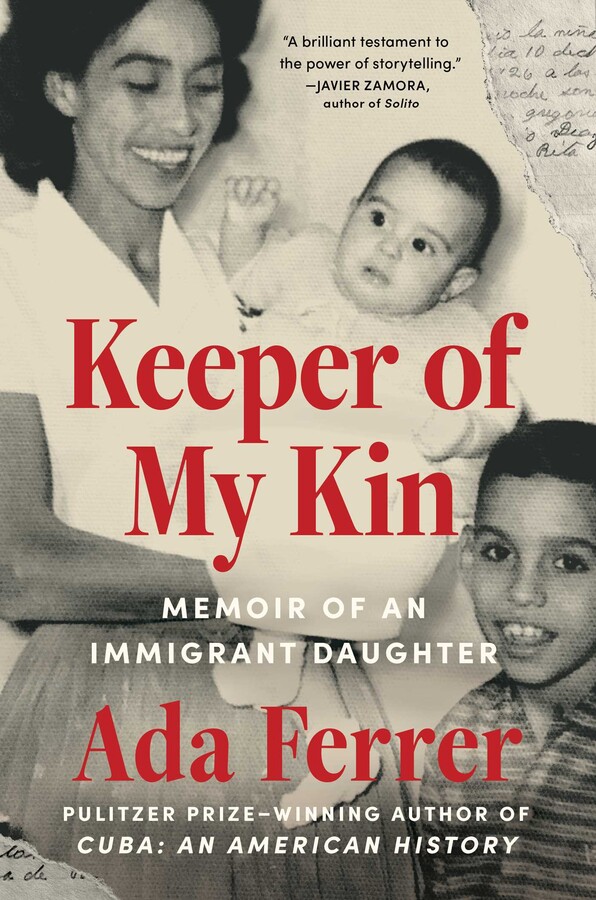
In 1978, Castro surprised Cuban exiles by inviting them to visit the island. Adela accepted the offer to see Poly, who was now in his 20s, for the first time since she had left Cuba. “In their separation,” Ferrer writes, “Poly had become a man. But my mother had changed as well; she became someone he didn’t know, someone who was mine in a way she might never again be his.” Poly, however, was even more profoundly changed. After he arrived in the U.S., he got a job, but he also drank and did drugs, and he was violent. He stabbed a man, and even attacked Ferrer. After being incarcerated and attempting suicide, he died of “hypertensive crisis,” according to a medical examiner, while sitting on the toilet, home alone in Hialeah, Florida.
Many of Ferrer’s recollections prompt her to reflect on how different her life might have been. When her mother visited Cuba, Ferrer was in high school and contemplating college. She asked her mom to take pictures of the University of Havana because she thought that’s where she would have gone to school if she had stayed in Cuba. In this alternate life, she might not have come to speak more English than Spanish. She might not have attended Vassar, an “elite American college” where she felt like she didn’t quite fit in; one student tells her mother that Ferrer reminds her of their family’s maid, adding that “she’s Hispanic, but not really Hispanic—she’s educated.” Ferrer doesn’t describe herself as a Latina even once in Keeper of My Kin—instead she prefers Cuban, or immigrant—but her expressions of loss and alienation echo the ways many Latinos describe their lives in this country.
These memories also lead Ferrer to wonder how Poly might have turned out differently, and how responsible the family was for his fate. Was there something she or her mother could have done to keep him out of trouble? Might Poly have made better decisions if he’d had better role models? Before she and Poly met, they had expressed tenderness toward each other in their letters. But after he joined the family in New York, Ferrer realized that she didn’t much like her brother, who brought chaos into the household and, she suspects, resented her success. Ferrer’s father was ambivalent about his stepson’s presence as well: He understood how important it was to his wife to be reunited with her son, but he saw that their reunion only intensified her stress and her guilt.