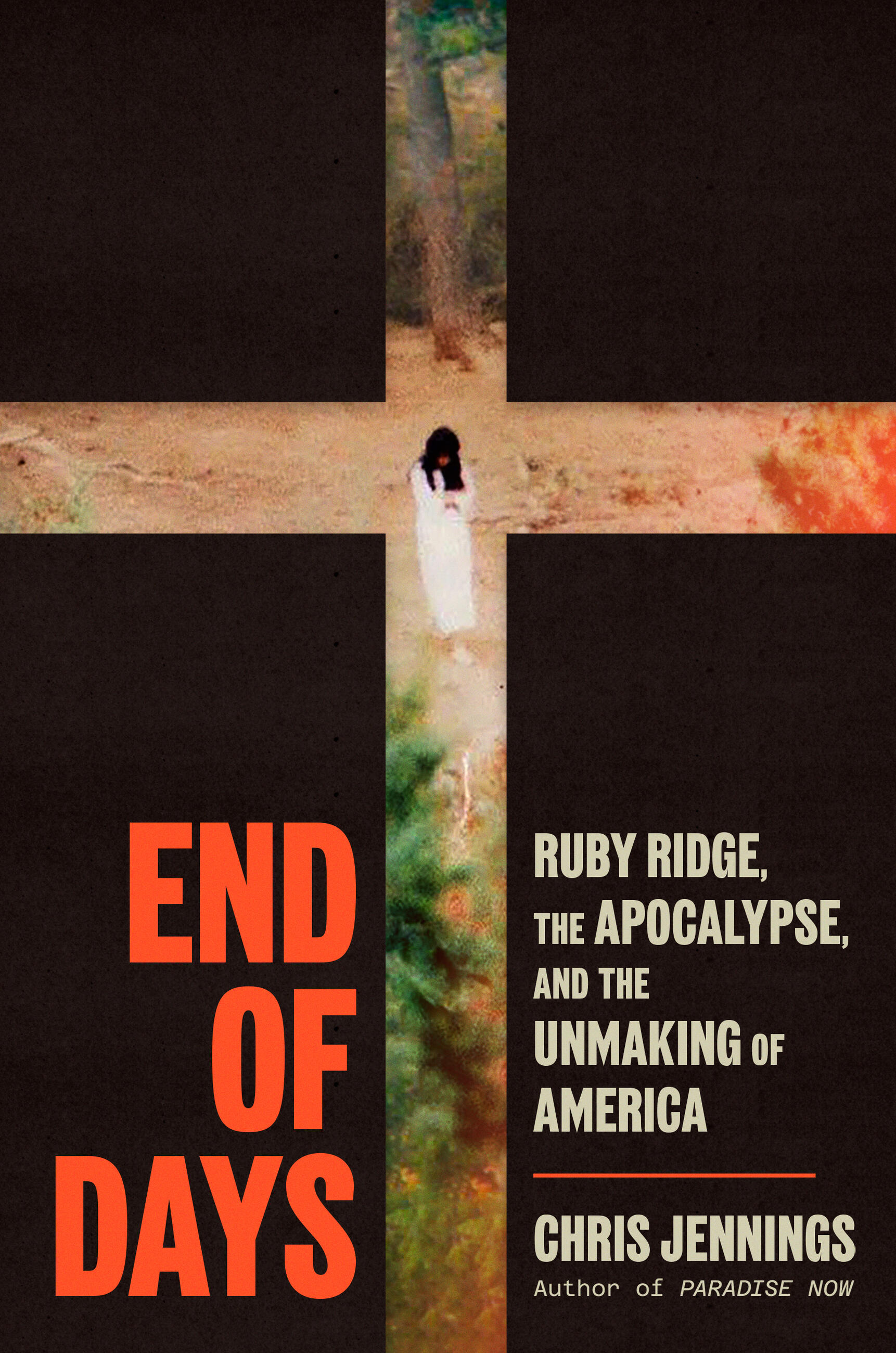
In 1992, the tiny, unincorporated village of Naples, Idaho became the ground zero of a national movement of far-right, anti-government activists and agitators. A crowd of hundreds gathered along the banks of Ruby Creek, among them fundamentalist preachers, Neo-Nazi skinheads, and doomsday preppers. They were there to support the Weavers, a family of Christian white supremacists who had retreated into the wilderness to await the apocalypse. The family was under siege by federal law enforcement agents seeking to arrest the family patriarch, Randy, on a gun charge he had been evading for a year and a half. The standoff, which became known as “Ruby Ridge,” initiated a new, militant chapter in right-wing resistance to the federal government.
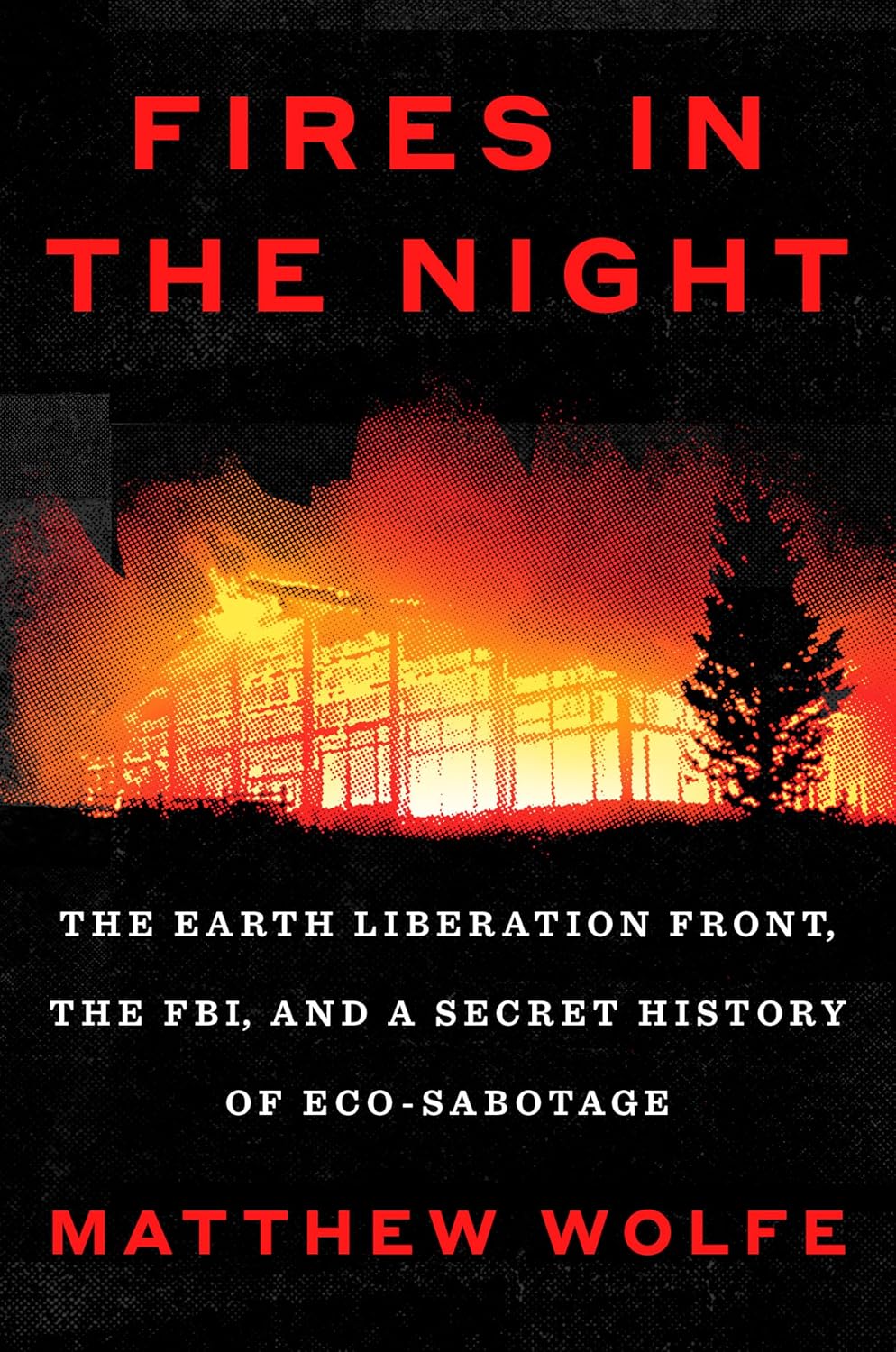
A few years later, about six hundred miles to the southwest, another gathering took place. Ideologically, it was the opposite of Ruby Ridge. Its participants believed not in Jesus Christ, but in Mother Earth, not in the superiority of the white race, but in the moral equivalence of all species, whether human, animal, or plant. At Warner Creek, in Oregon’s Willamette National Forest, they constructed a road blockade, complete with a moat and a drawbridge, which dozens of activists occupied for nearly a year, preventing logging trucks from getting in. They won that battle when the government backed down, reimposing restrictions on logging in national forests like the Willamette. But they also knew they were losing the larger war between human civilization and nature. In their desperation, some of the Warner Creek occupiers formed a new underground movement: the North American cell of the Earth Liberation Front (ELF).
These two radical movements were opposed in their values and aims, but shared a conviction that the world was ending—an anxiety that has become more pronounced and widespread in the decades since. Chris Jennings’s End of Days, on Ruby Ridge, and Matthew Wolfe’s Fires in the Night, on the ELF, both published this year, therefore make for timely companion reading.
The Weavers’ apocalyptic beliefs, as Jennings documents, mixed a specific reading of the Bible with various conspiratorial fantasies. Randy and his wife, Vicki, believed in the literal word of the Book of Revelation, and they raised their three children to believe it, too. They expected to be here on earth when Judgment Day arrived, and they were preparing for it with guns, canned food, and, eventually, a hand-built cabin in the Idaho wilderness. Their separatist theology, already antisemitic, soon became racist as well, as the Weavers were pulled into the orbit of the Aryan Nations, which had a compound in nearby Hayden Lake. After Randy became a fugitive from the law, the Weavers interpreted the government’s every action to bring him into custody as part of a Zionist Occupied Government conspiracy against them. When government agents shot the family’s dog and their teenage son and formed an armed siege of their property, their paranoia began to coincide with reality.