Elizabeth Hardwick, visiting her home town of Lexington, Kentucky, in the late nineteen-sixties, declared that “the glory of the place is a certain vault-like solidity.” Even so, she could find in Mary Todd Lincoln, one of the town’s most famous residents, “nothing to be happy about. Neurotic, self-loving, in debt at the White House, a bad wife, a rotten mother.”
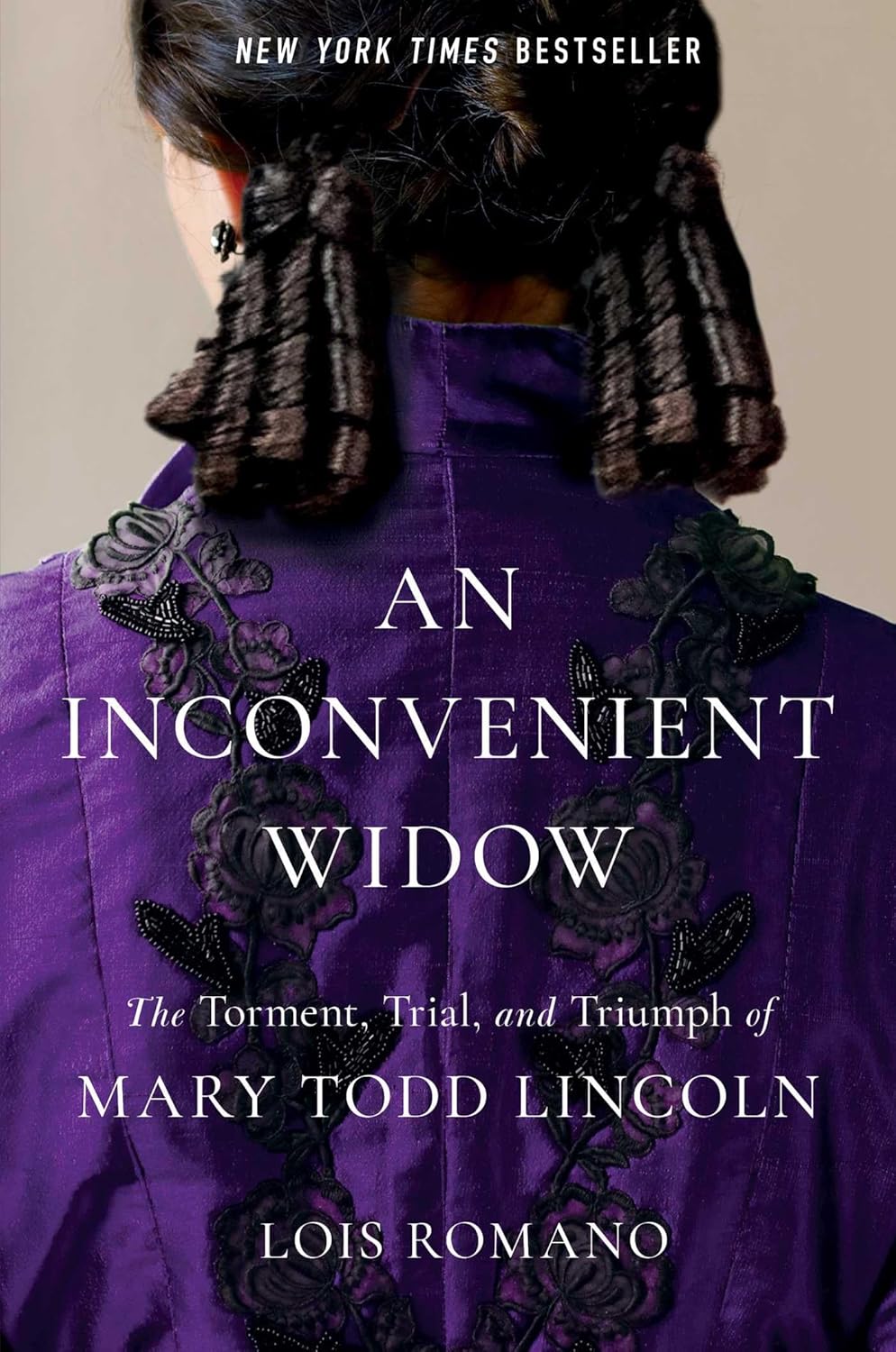
The first and third items in this indictment are indisputable; the second is a complicated and qualified matter; and the last two are libels, still part of popular legend no matter how often disproved by serious biography. So persistent are the charges against Mrs. Lincoln, even in minds as well informed as Hardwick’s, that Lois Romano, in her new book, “An Inconvenient Widow: The Torment, Trial, and Triumph of Mary Todd Lincoln,” decides they need refuting once again.
The Todd family was so important in Lexington that Abraham Lincoln may (or may not) have remarked, “God spells his name with one D, but the Todds spell theirs with two.” Romano, who had a long career as a Washington Post reporter, explains that Mary’s father, Robert Smith Todd, operated variously as “a lawyer, bank president, successful wholesale merchant, cotton factory owner, and political power broker.” Mary was the sixth child of his first wife, Eliza, who died giving birth to a seventh; Betsy, his second wife, with whom Mary almost never got along, went on to have nine children of her own. During Mary’s adolescence, Mr. Todd moved his family from a house with nine rooms to one with fourteen, on West Main Street.
Instructed by a Parisian couple at Mentelle’s for Young Ladies, Mary, as Romano notes, got more schooling than her future husband did. She surely was also exposed to Madame Charlotte Mentelle’s feminist beliefs and abolitionist leanings. Mary’s “disconcerting volatility, marked by stark highs and lows,” was first noticed at the school and never fully left her. Nor did politics. “A violent little Whig,” according to her family, Mary idolized Henry Clay, that party’s founder and a three-time Presidential nominee. Unlike the young Abraham Lincoln, another passionate if more pacific Whig, she actually knew Clay, a neighbor in Lexington.
Mary stayed in her home town until she was nearly twenty-one, by which time she could no longer abide her stepmother and the Todds’ overstuffed mansion. In 1839, she went off to live with a married sister, Elizabeth Edwards, in Springfield, Illinois, a more rough-and-tumble place than Lexington but a town soon to be its state’s capital. Witty and flirtatious and socially ambitious, Mary immediately attracted the interest of two state legislators, but Stephen A. Douglas was awfully short, and a Democrat besides, whereas the towering Abraham Lincoln, despite a lack of polish, had the sort of politics and personality that drew Mary in. A year later, they agreed to marry.