The history of government documents (or the documents of a government in the making, as was the case in Lexington) is also a history of record-keeping and all the debates that come with it. Whether at the local or national level, in courts or with presidents, Americans have come to expect that records describing a government’s ambitions and actions should provide a level of transparency. Then as now, however, access to such documents—and the question of what exactly should be preserved—is highly contested.
During the Revolution, the patriots and the British were both keen to acquire the collected records of Colonial governments, the rebel resistance and new American governments formed in the wake of independence. Both sides recognized these documents as uniquely valuable. Before the war, every colony was required to maintain records of its business dealings, legislative and court proceedings, land deeds and more. Typically, these were stored in a courthouse or similarly safe location, and a clerk or secretary was charged with preserving them.
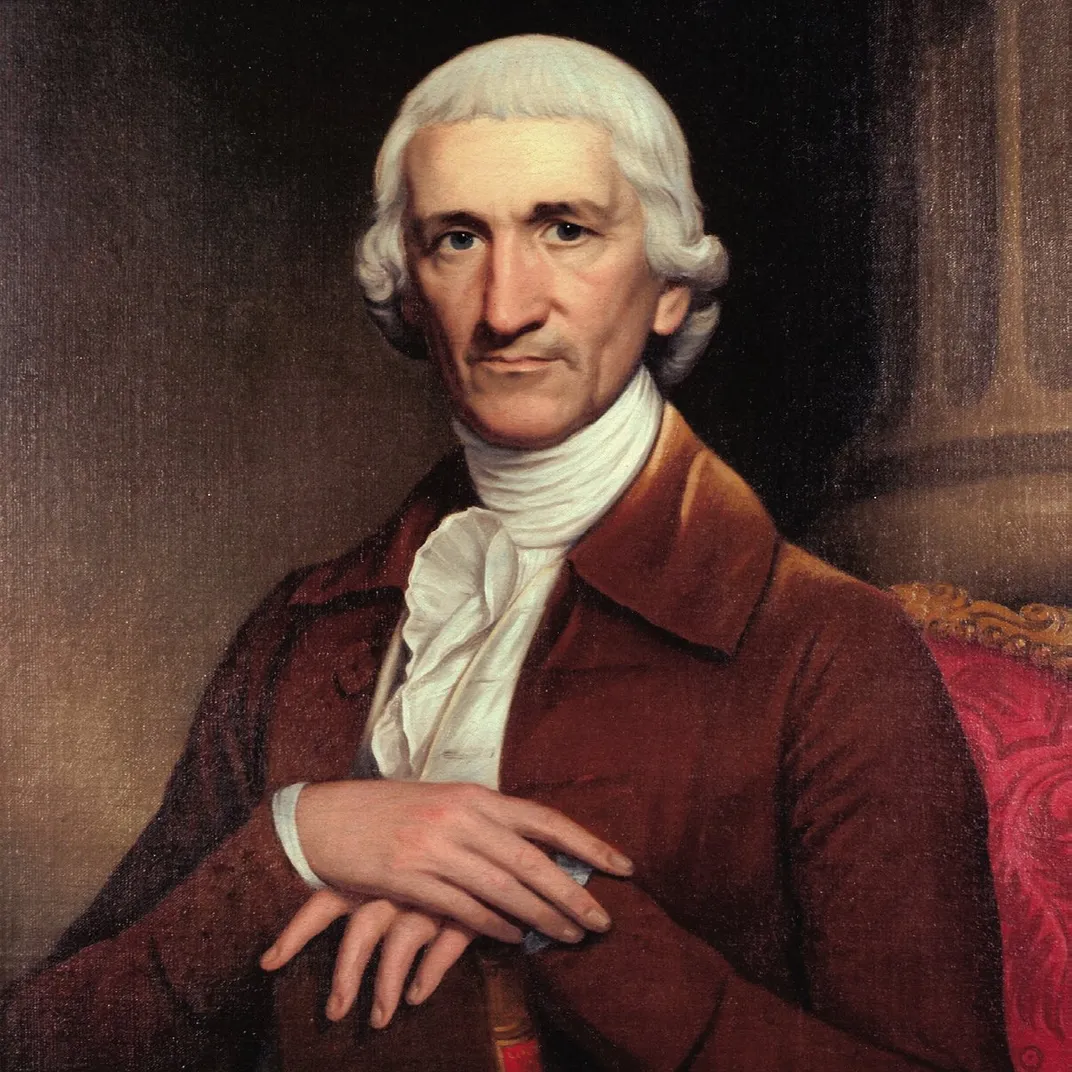
One of the Continental Congress’ first acts was the appointment of a secretary named Charles Thomson. He served from the first meeting of the Congress, in the fall of 1774, through the 1787 Constitutional Convention, managing the flow of government documents and their publication.
The Congress issued its Journals in a variety of formats, printing them throughout the 13 states and abroad to share information about the activities of the nascent American government. In the immediate aftermath of Lexington and Concord, for example, the Journals published testimony from local patriot men and women who gave firsthand accounts of the conflict and of the violence wrought by British troops against civilians, including theft and property damage.
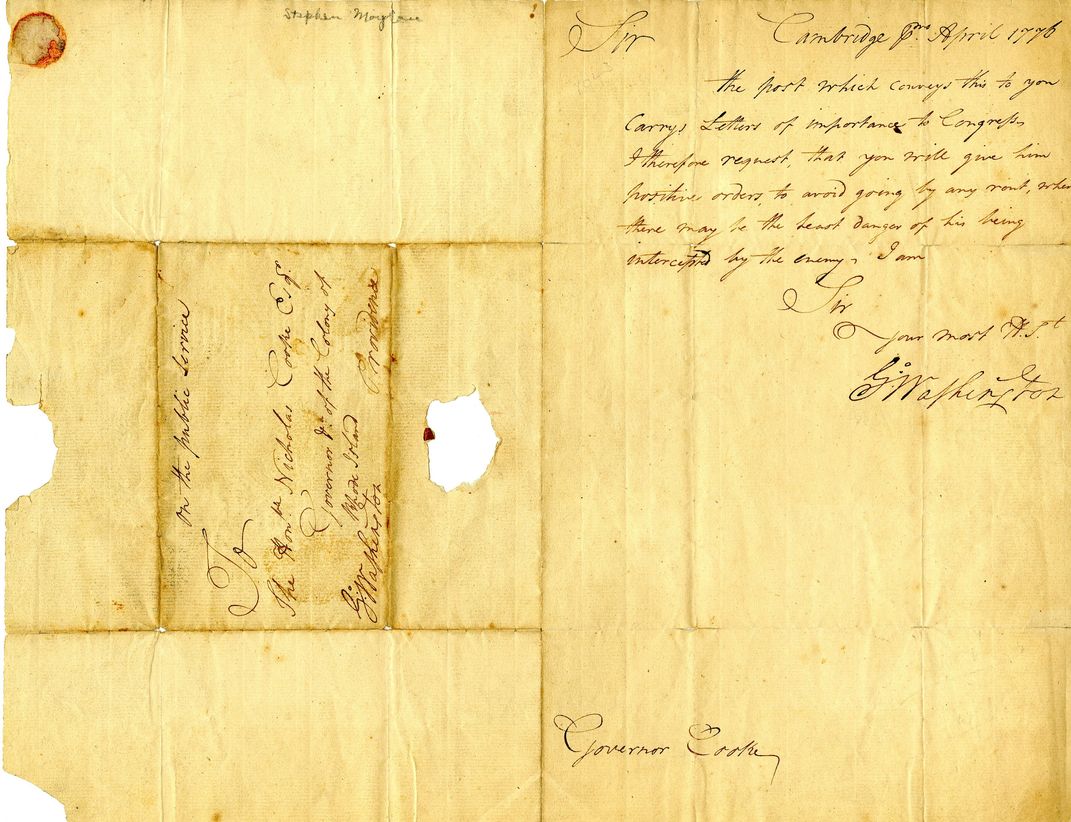
George Washington similarly recognized how important his personal papers would be, given his role as commander in chief of the Continental Army. He ordered specialty trunks to hold his extensive correspondence and other records; early in the war, he sent word to a relative at Mount Vernon to secure the safety of both his wife, Martha, “and my papers.” Today, tens of thousands of Washington’s documents are available online.
Anxiety over the state and fate of government records was heightened in areas directly in the line of fire during the Revolution, especially as the patriots occupied places that had previously been under royal governance and the British seized American cities like Philadelphia. Displaced governments worried about the prospect of moving their base of operations and debated whether they would abandon their archives if they had to leave. (Thomson, for his part, brought the Congress’ papers with him when the legislature fled from and then reconvened in Philadelphia.)