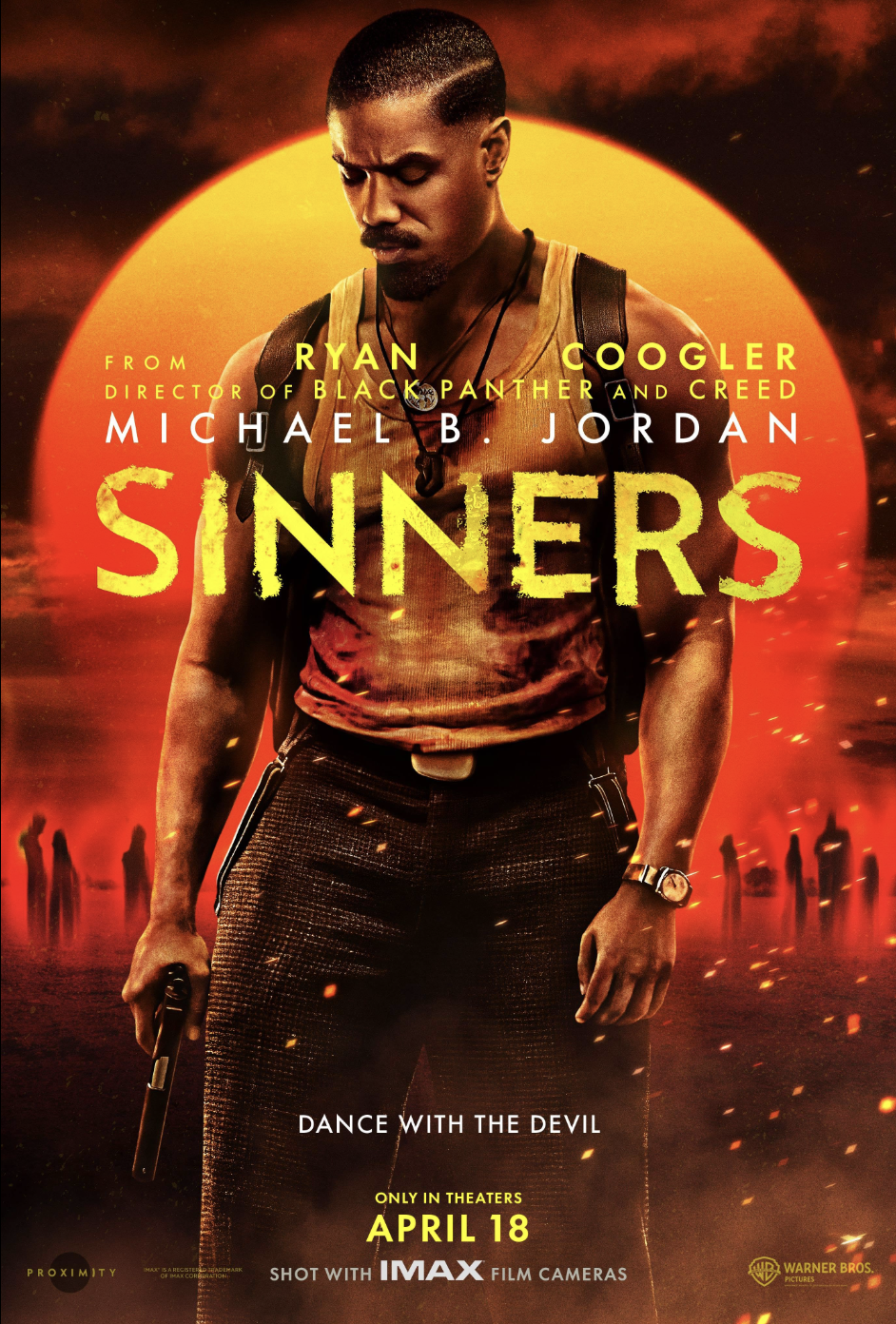
What interests me is the connection of white vampirism to Delta blues. Because there’s truth to that.
Ironic truth. The notion of Delta styles as a distinctly, exceptionally authentic kind of blues, with especially deep ties to ancient griot and other African traditions, contrary in some ways, but not in all ways, to Christianity, was developed by white record collectors and writers and promoters, beginning not, as is often said, in the mid-1960’s blues revival but in the early 1940’s. The term “Delta blues” itself is a product of that construction. It’s a big, fascinating story, which I’m not going to tell here. The great book on it is In Search of the Blues, by Marybeth Hamilton. Elijah Wald’s Escaping the Delta also makes some good points. Contra the Wald viewpoint is Ted Goia, whose views on these issues I mainly disagree with, but who adds to the discussion a lot of texture that needs to be taken account of.
Those white guys of the ‘40’s who suddenly latched onto 20’s and ‘30’ records of rural blues, as opposed to the glitzier, big-band early blues records of Mamie Smith, Bessie Smith, and others, fell especially hard for blues styles prevalent in the Mississippi Delta, probably first heard on recordings by Charley Patton, but also by Son House and of course Robert Johnson, styles that would develop, in the 1950’s, into electrified Chicago blues. And those collectors of then-obscure records were quite weird. Like the head vampire in the movie, they hungered for roots driving deep into Mississippi mud, for ancient Yoruba spells, for authenticity stolen by modernity (to the vampire, that’s Christianity; to the 1940’s blues nerds it was industrialization). Unlike the vampire, however, they were projecting the thing they were looking for onto the music they were hearing.
You could say they were trying to hear some elemental magic. You might even call that magic a piercing of the veil between life and death, a conjuring of spirits from the past and the future. They never saw any Mississippi mud, any cotton fields; they heard what they were seeking, as so many of us have, on 78 rpm shellac. As Marybeth Hamilton puts it when describing the revelatory discovery of a Charley Patton record by a thirty-something collector in Brooklyn named James McKune: “It was there at the Williamsburg YMCA, in a single room sometime in the mid-1940’s, that the Delta blues was born.”
You think you know music nerds? Until you’ve read about these guys, you really don’t. As a group that hung around Indian Joe’s record shop on West 47th Street in Manhattan, they became obsessive enthusiasts, as Hamilton puts it.