In the 18th century, there were three revolutions in North America. There was rebellion against imperial British rule led by American colonists, a social revolution against African slavery and the slave trade led by a mixture of whites and Black abolitionists, and an insurrection against the slave system led by enslaved men and women in the North and the South who fled bondage to seek freedom behind military lines.
Americans, both enslaved and free, were inspired by the ideological fervor of Revolutionary rhetoric and began, for the first time in modern history, to question the place of the institution of human bondage within their society and to think of ways to dismantle it. As historian Sean Wilentz has noted, the Revolution represented a “pioneering American antislavery” moment – leading to the “most advanced and effective antislavery upsurge of its kind in the Atlantic world before 1787.”[1] From the middle of the 1760s to the outbreak of fighting in April 1775 at Lexington and Concord, a flood of antislavery petitions, sermons, and pamphlets questioned a practice that had been part of life in the North American colonies (in both the North and the South) for over 150 years.
What emerged in the Revolutionary era was a moral sense that the slave system was constructed by human actions and, therefore, could be corrected by practical human action. As historian Christopher Brown notes in his landmark work, Moral Capitalism, if the colonists had “presented their case in more parochial and exclusively constitutional terms, if they had argued only for the customary rights and liberties of Englishmen, perhaps, as before, few settlers in British North America, would have thought about the rights of Africans.”[2] Those “who are desirous of enjoying all the advantages of liberty themselves, should be willing to extend personal liberty to others,” declared a Rhode Island statute barring the importation of African slaves.[3]
The widespread notion for much of the 16th and 17th centuries that African slaves were “generally treated very well, and many of them much better than they deserve,” for the first time began to be challenged. The “partaker was as bad as the thief,” noted Newport minister Samuel Hopkins in 1776.[4] At time of Hopkins’ comments, however, nearly half of Newport’s richest residents had an interest in the slave trade.[5]
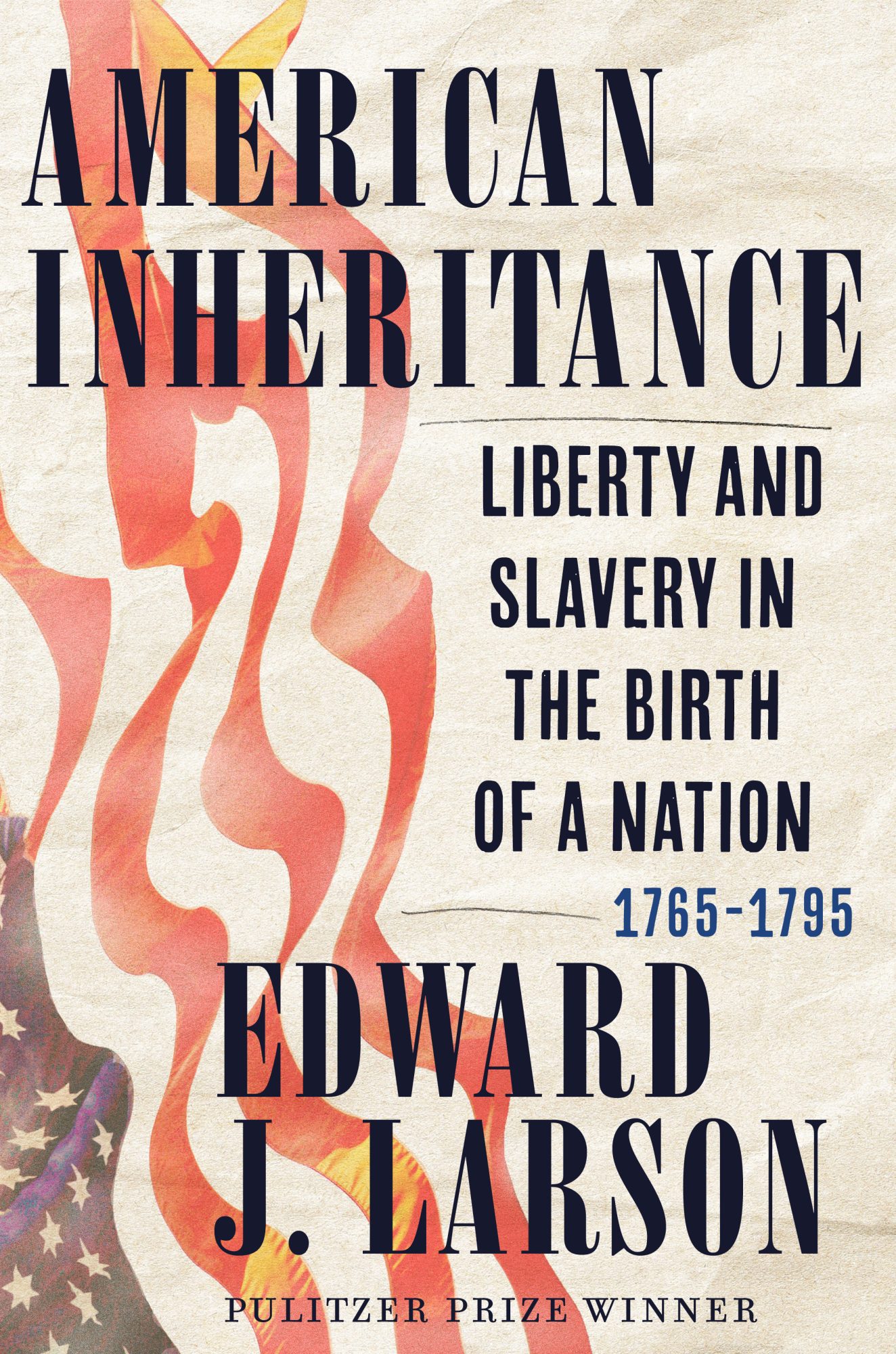
These stories are not often told together, but in his brilliant and engaging new book, American Inheritance: Liberty and Slavery in the Birth of the Nation, 1765-1795, historian and legal scholar Edward Larson demonstrates the interconnection through a careful mining of the sources and a deep understanding of the abundant scholarship on the topic. The publication of Larson’s work will hopefully inspire Rhode Island educators to bring this rich story into the classroom and to think of ways to engage with the rich material available from the educational team at the Rhode Island Historical Society.