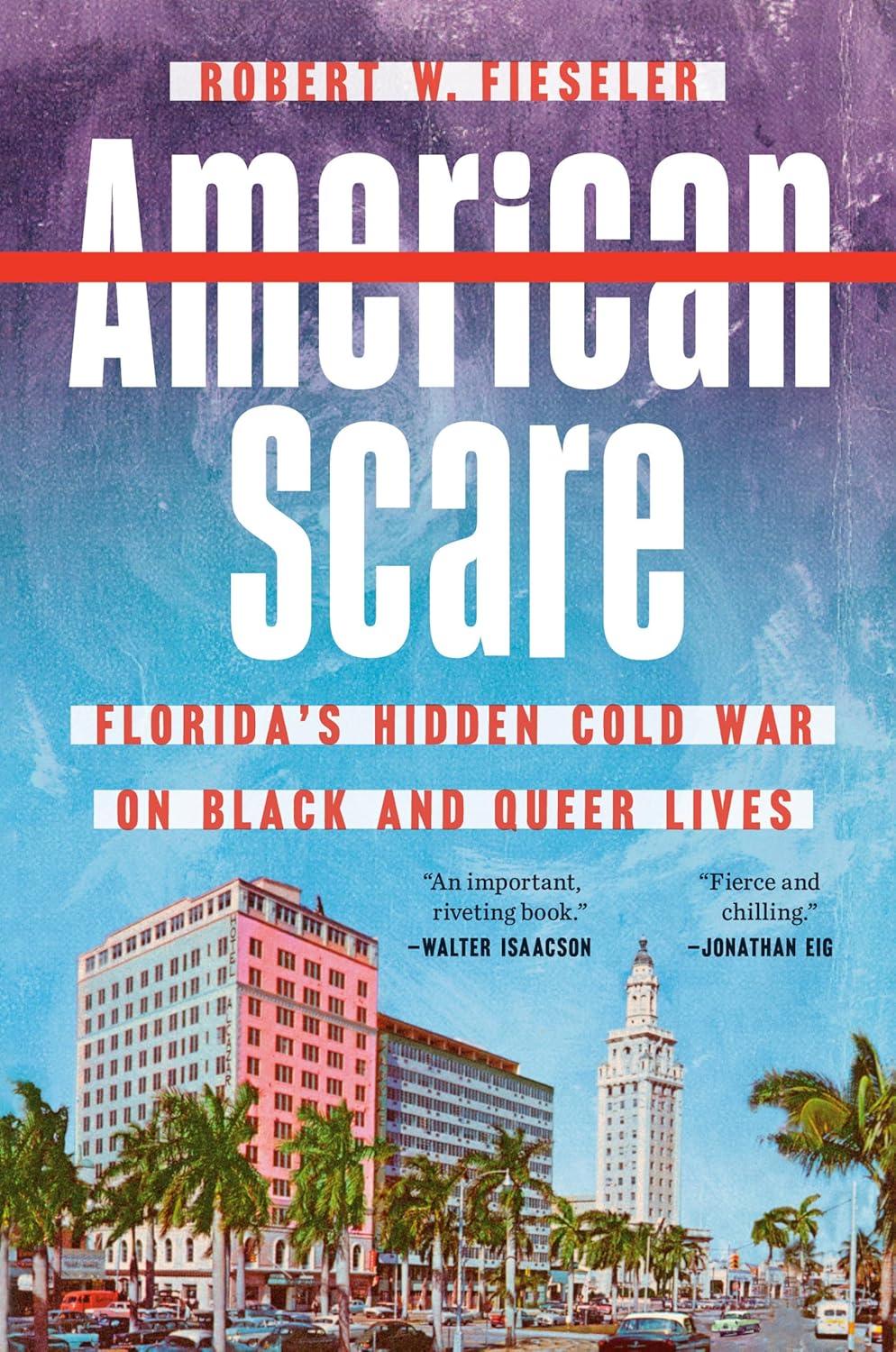
Kimberlin: What was your intention with uncovering these documents? What do you want people to take away from this point in history, as well as your publication of this book?
Fieseler: That McCarthy-esque movements can be brought down, and they have been brought down in the past by ordinary citizens. And I saw how that worked in Florida with the Florida Johns Committee. How a Black father [Theodore Gibson] that was suing for the integration of Miami schools on behalf of his son was hounded by Charley Johns, held in contempt of the John’s Committee, threatened with jail time, harassed all the way to the steps of the Supreme Court, won in the Supreme Court in a five-four decision, and ended up shutting down the anti-NAACP, anti-Black campaign.
A lot of my work is about that capital “R” return of voices that were quashed. Not only do they refuse to die, but they return with a sort of vengeance in the South. They demand to be rewoven into the tapestries of the communities and lands that they loved. So my work is in service of that. And I felt like there were so many voices that were harmed and sagas that were suppressed over the course of the Johns Committee atrocities from 1956 to 1965. I knew I wanted to write a book in service of returning those stories to the public discourse.
Kimberlin: What do you want a reader to take away from the rebuilding of this history? Maybe even one not from the South?
Fieseler: Well, the bicoastal queer narrative of history—centering on the Stonewall uprising—totally misses the plot because social justice battles waged in the 1960s South were fundamentally more pivotal than any of those waged on the coasts. Many of the alliance tactics of the LGBTQIA+ movement drew directly from the successes and the hard lessons of the racial Civil Rights and Black Freedom Movements that transpired in the South in this era. There’s still so much we don’t know about the turns of the most important social movement of the twentieth century, which was the nonviolent movement that brought down racial apartheid in the South. And we learn even less about it, whether as students of American history or as queer folk, because we live in a society governed by powers that specifically divide us and conquer so effectively. When we are busted up into these tiny movements with agendas that don’t overlap, the remnants of a very powerful political order driven by white supremacy and male dominance is able to trounce all of us.