

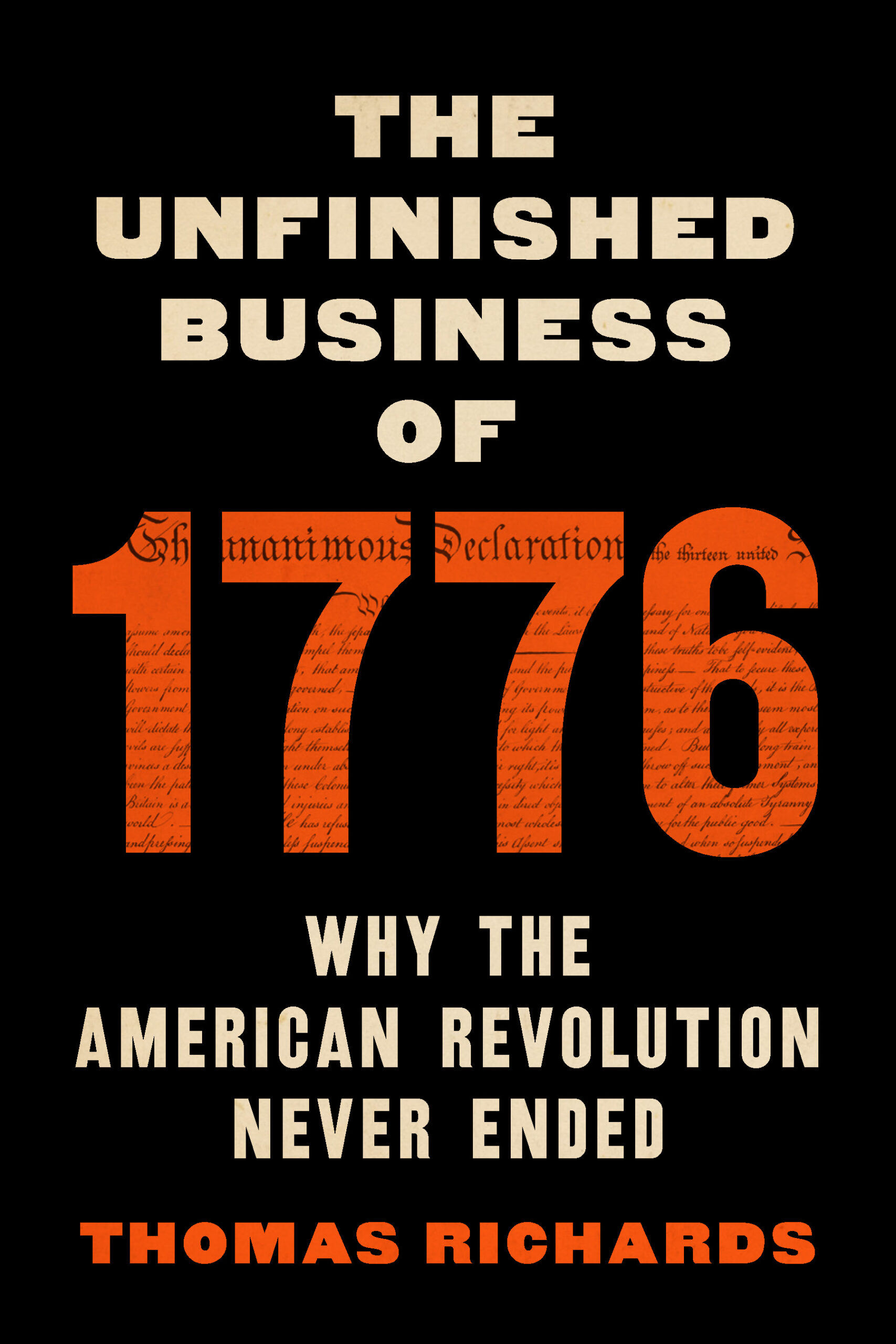
Unfinished Business doesn’t hide from the more double-edged implications of post-revolutionary populism. On the one hand, colonizers in the 1830s and ’40s—Mormons, some Texans and Californians—claimed the right to cross borders and declare independence. On the other hand, Cherokees fought for the right to remain by reminding the nation of its revolutionary forefathers’ treaty commitments, shaming Americans so effectively that the Removal Act only barely passed Congress in 1830. Their movement lost, but it inspired abolitionists who saw how far the “slave power” would go once they controlled the executive branch. Richards defines the open-endedness of the American Revolution as a function of its limits or hypocrisies: the gaps between revolutionary promise and post-revolutionary reality provided compelling grounds for challenging the evolving order, precisely in order to close them. In carefully demonstrating how such claims took shape in a multitude of contexts, he threads a needle between the idealized, egalitarian, nationalist, world-inspiring, too-often-exceptionalist version of the American Revolution and the necessarily disillusioned, debunking rebuttals.
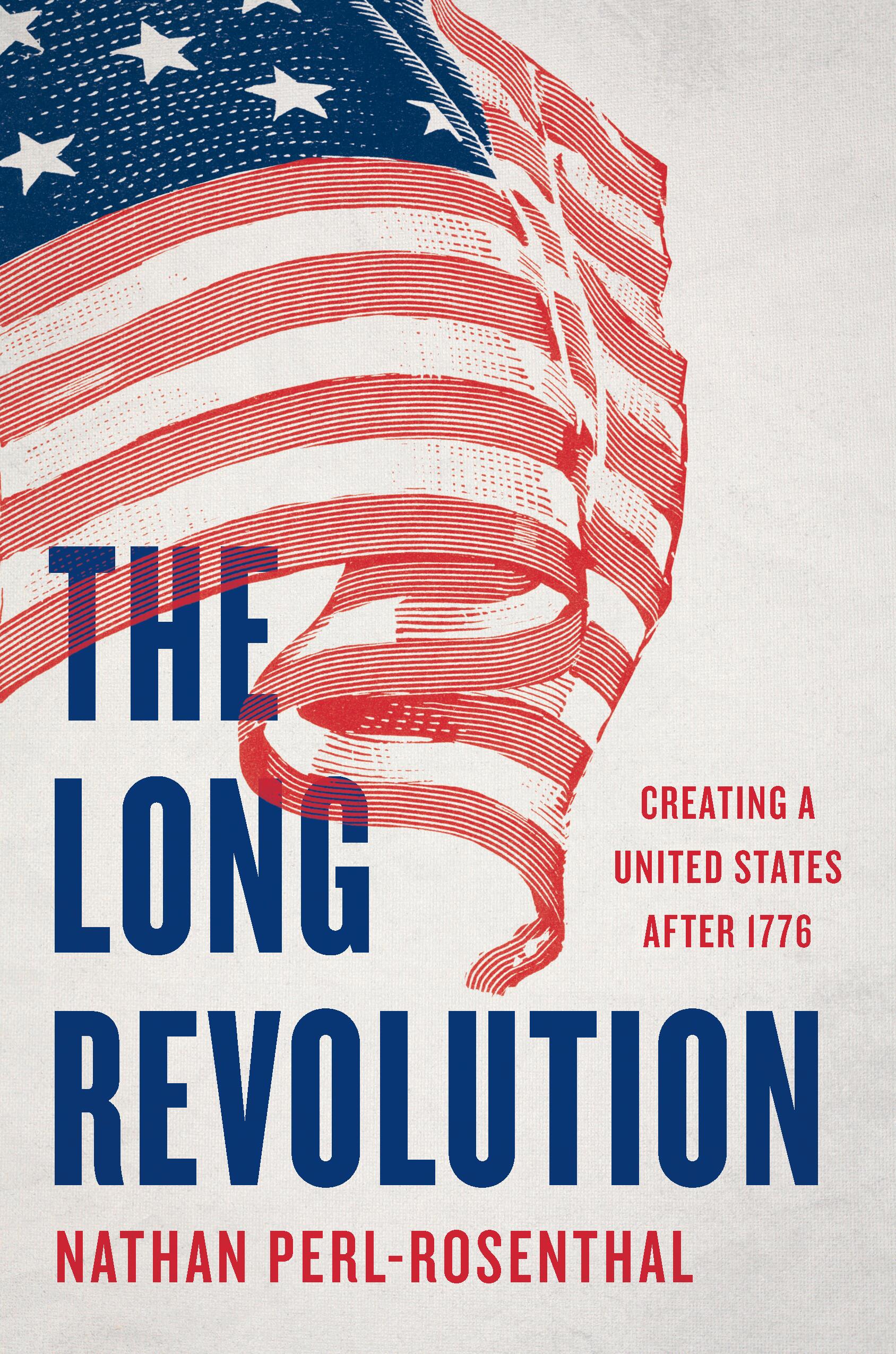
The argument finds further substantiation in Nathan Perl-Rosenthal’s The Long Revolution: Creating a United States After 1776, which examines a hundred years of Fourth of July orations—Douglass’s among them—and finds that unlike conservatives’ sense of the Revolution as closed and defined, post-revolutionary Americans spoke of and heard about an unfinished event: “their revolution was one still in progress,” an ongoing experiment, and sometimes one facing imminent dangers. In the early republic, the Fourth of July was a highly politicized ritual of public culture, engaged through newspapering and beyond, that enabled more and more people to connect local and national politics, not least by spawning parallel holidays like George Washington’s birthday, the anniversary of Thomas Jefferson’s election, and the end of the international slave trade. By focusing on the annual orations, The Long Revolution misses some of the dynamism of this new participatory partisanship, but it reminds us that major questions about a changing world were addressed in forums that only later became quaint.
Perl-Rosenthal is a leading comparative and transnational historian of the period. His previous book, The Age of Revolutions (2024), offered a lively and panoramic narrative of revolutionary upheaval as a two-generation and continent-spanning travail, from North and South America to Haiti and Europe. Now, with Long Revolution, he’s delighted to find full-throated American nationalists looking abroad for the meaning of what they had done and inherited. By the 1820s, he shows, the memory of the Revolution also served as a site of national introspection: Did social changes, and especially the further spread of slavery, mean that the Revolution’s projects had been resolved, obviated—or never completed? Perl-Rosenthal is especially good on the way abolitionists made effective and inspiring use of the revolutionary legacy, whether they made Patriots out to have preserved slavery (as William Lloyd Garrison contended) or to have intended it to end (as Douglass maintained).