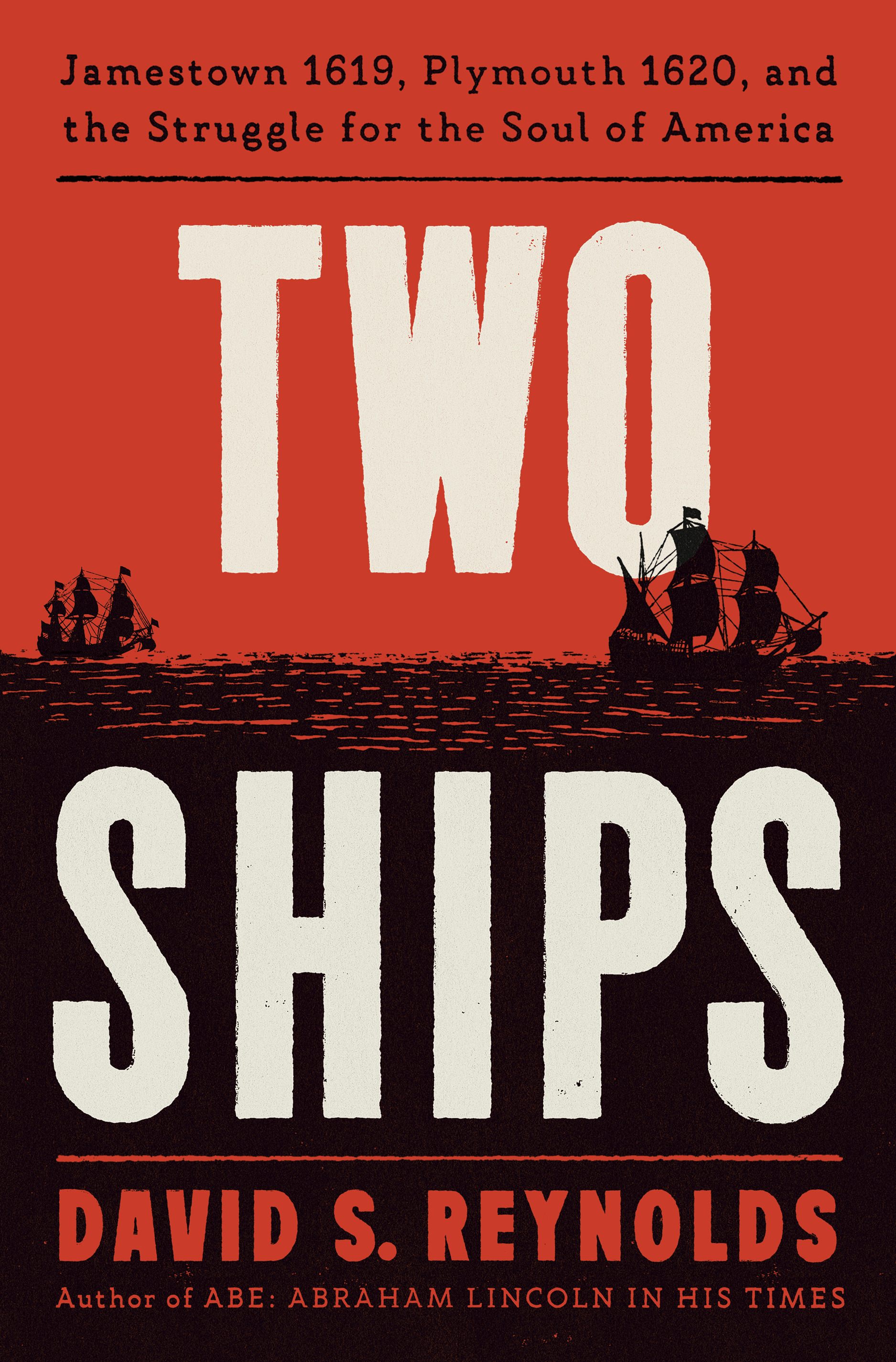
The northern seed, in Reynolds’s telling, first sprouted on the other side of the Atlantic. The Pilgrims abhorred the hierarchy of the Church of England and began to practice a democratic politics among themselves in Holland, where they had fled. The language of the Mayflower Compact reflected that commitment: The passengers agreed to “covenant and combine ourselves together into a civil Body Politick” and to enact “just and equal laws” in order to advance “the general Good of the Colony.” Once settled in Plymouth, they established a broad franchise that included even those who chose not to join the church.
As for the South, Virginia’s first comprehensive legal code, passed in 1619, placed the Anglican Church and its hierarchy at the center of colonial life, appointing church wardens to “police the moral behavior of the people in their district,” Reynolds writes. Settlers risked punishment if they failed to attend church. These two radically different understandings of the individual’s place in society were reinforced in ensuing generations, as the Puritans flocked to New England to escape the persecution of King Charles I. Then, after a Puritan-dominated Parliament under the Roundhead leadership of Oliver Cromwell deposed and executed the King, Charles’s followers, known as Cavaliers, began their own migration, to the Jamestown colony. Slavery became integral to Cavalier culture, and far less so in Puritan New England.
Each of these societies deplored and ridiculed the other. Yet Reynolds clearly puts his thumb on the scale: The Puritans were right in their disdain and the Cavaliers were wrong. Though Virginians regarded New Englanders as theocrats who inflicted dire punishments on anyone who fell afoul of their strict code, he stresses that capital punishment, which was mandated for sodomy or adultery in New England, was very rarely imposed. The South cried hypocrisy on slavery, given that the seamen of Providence, Rhode Island, played a central role in the Atlantic slave trade. Reynolds instead emphasizes that Puritans (and Quakers) framed the earliest antislavery arguments in the English-speaking world. Enslaved Black people in much of New England could own land and property or sue for freedom.
As for the Cavaliers—guilty as charged. The Puritans regarded the Cavalier lifestyle, inherited from Charles’s court, as a feckless round of feasting, gambling, and wenching. And so it was, Reynolds writes. In the Cavalier worldview, hierarchy was rooted in nature: The husband controlled the wife and children as the master controlled the slave. Reynolds cites the early-18th-century diary of William Byrd II, who read Homer in the morning and administered whippings to refractory slaves in the afternoon. Virginia may have established a representative body, the House of Burgesses, in 1619, but the mid-century Cavalier elite continued to accept the divine right of kings as the Stuart monarchs had propounded it. Reynolds leaves the strong impression that slavery flourished in the South instead of the North simply because southern religion and ideology depended on mastery rather than because southern topography and climate also favored the plantation system.