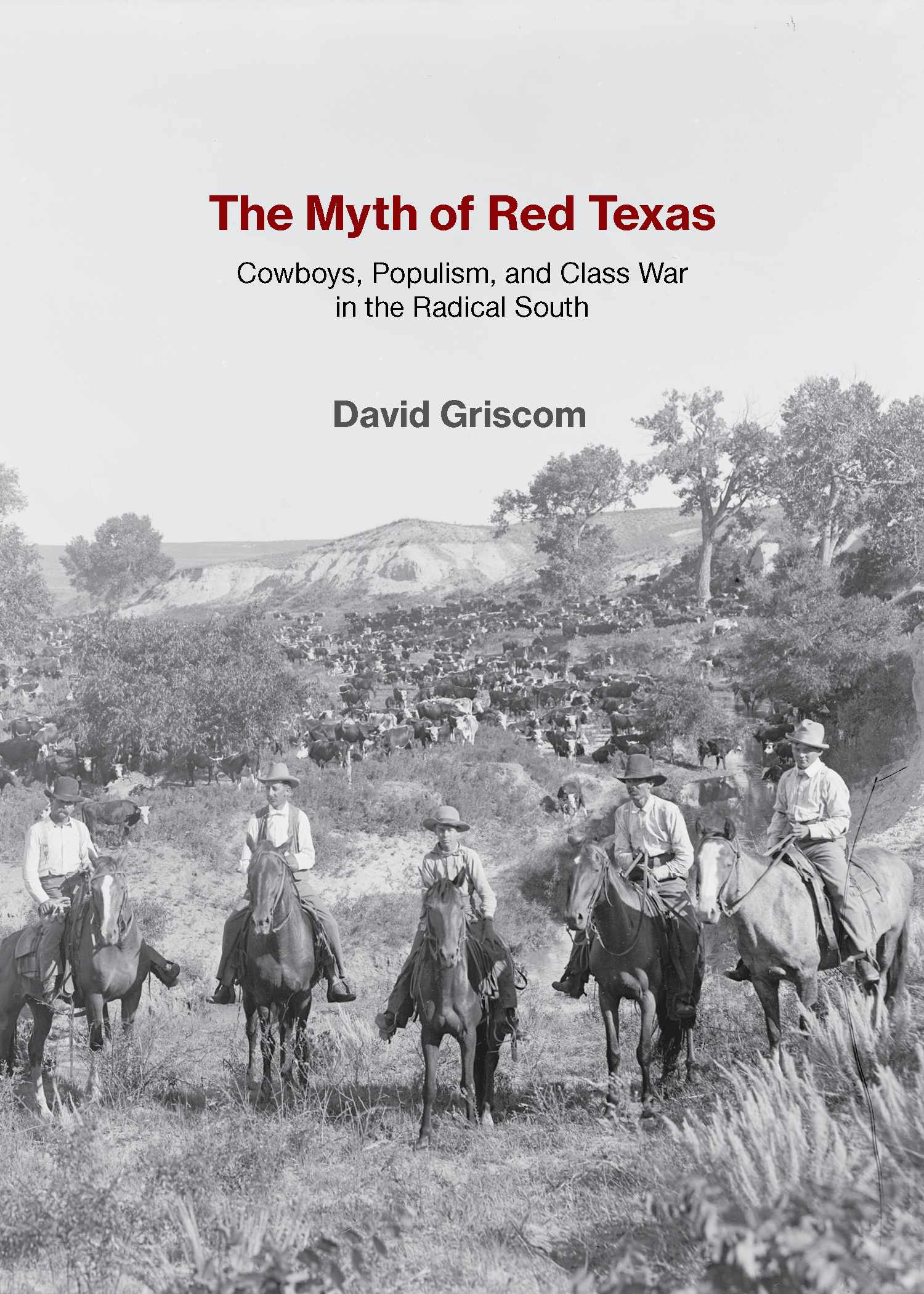
When people think of politics in Texas, they assume “rock-ribbed” conservatism by default. But this is the result of a years-long political project to recast the history of the Lone Star State in the Right’s image. The reality is much more interesting. This is a state where cowboys mounted collective action to fight the privatization of the open range; that was once home to one of the largest socialist parties in the nation; and where a farmer-labor alliance almost toppled the capitalist elite. Texas is red, yes, but the color means more than one thing.
Following the Civil War, Texas was economically decimated. The state government sought to attract business and finance to Texas with friendly policies, cheap land, and sweetheart deals. Major interests like the railroads took advantage, jacking up freight costs and cracking down on organized labor. A new set of Northern and European landowners entered the scene, like the Capitol Syndicate, a coalition of Northern businessmen and foreign capital, including the Earl of Aberdeen, who financed the Texas Capitol in exchange for 3 million acres of prime real estate in cattle country.
Barbed wire, then a new invention, was used by a rising class of large landowners to choke off the “open range.” In alliance with the ruling political class in Austin, the new barons banished many Texas “nesters” off their lands. While corporate power swallowed land in Texas, the banks and the merchant class got to work on Texas farmers. Debt became a fact of life for many Texan farmers under the crop-lien system: cash-poor farmers who needed funds at the beginning of the growing season were trapped in a web of debt, as the merchant and banking classes conspired to buy cotton at low prices and keep interest rates astronomically high. It wasn’t uncommon for farmers to pay 100% to even 200% markups on needed goods. This usurious system led many Texans into the humiliating position of serving as tenant farmers on land their families once owned.
But Texans didn’t take these changes lying down. Instead, they launched a full-on revolt against corporate power — and even the very institution of private property. From striking cowboys in the Panhandle to the Fence Cutting Wars against the scourge of the “devil’s rope” to the Great Southwest Strike led by the union leader Martin Irons — Texans in the late 19th and early 20th centuries went to war against what used to be called the “money power.” Populism was thus born in Texas.