She is among the best known Native Americans in history, but the modern-day descendants of Pocahontas, who four centuries ago married an English colonist and sailed across the Atlantic Ocean, show little interest in her.
On March 21, ceremonies in the United States and England will mark 400 years since her death. But there will be no event to honour that date on the Pamunkey Indian Reservation in Virginia where her tribespeople now live.
"For the Pamunkey tribe, it's not a big deal. She doesn't mean a whole lot to us. Her contributions to our way of life didn't really amount to much," says Robert Gray, chief of the 100-person riverside community.
"We understand the English and Americans think highly of Pocahontas. We appreciate that it brings an interest to our tribe, but we just sit back and figure: if people want to worship a myth, then let them do it."
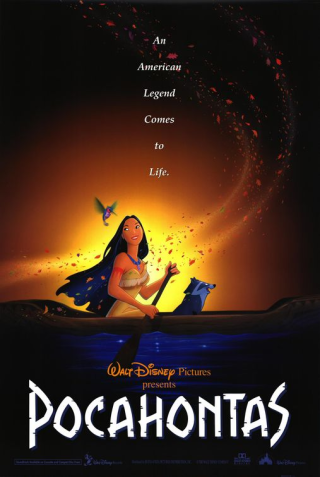
The adulation elsewhere is clear. Disney's 1995 movie about the free-spirited beauty won two Oscars and remains a children's favourite. The arms of her bronze statue at the colonial site, Historic Jamestowne, have been buffed to a shine by thousands of caressing visitors over the years.
Yet, for the Pamunkey, who trace their origins through Pocahontas and her father, Wahunsenacawh, who led some 15,000 Powhatan tribespeople when English ships landed in 1607, the history of the unconventional young peacemaker is troublesome.
This is not just because Pocahontas symbolises a union between native American tribes and colonisers that ultimately left the natives decimated. It is also because she offers a handy way for many white Americans to gloss over a brutal past and an unhappy present.
The anniversary of her death comes as the Standing Rock Sioux tribe is losing a fight to stop the Dakota Access Pipeline from slicing through its reservation, and US President Donald Trump uses the name “Pocahontas” as a term of abuse.
Raye Zaragoza, a musician descended from Arizona’s Akimel O’odham people, wrote a protest song, In The River, to support demonstrators in North Dakota and alert countrymen who, she says, neglect the struggles of Native Americans.
“They watch the romanticised Disney movie and dress up like Pocahontas on Halloween, but they don’t know the true story behind it or any of the real culture and customs,” Zaragoza says.
“They think that the abuse, colonisation and genocide against Native Americans are in the past. But it wasn’t only 400 years ago; it’s still happening today.”