Menu
Excerpts
Exhibits
Collections
Originals
Podcasts
Categories
Map
Search
Excerpts
Curated stories from around the web.
Load More
Viewing 13,301–13,350 of 15,295
Sort by:
New on Bunk
Publish Date
New on Bunk
partner
The Return of Teacher Power
We've all heard about Black Power, but what about Teacher Power–a teachers' rights movement recently reawakened?
by
Jody Noll
via
HNN
on
September 2, 2018
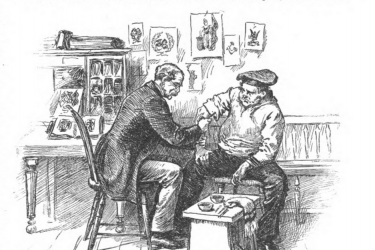
A History of Human Guinea Pigs
Medical science has always had a lax relationship to consent – especially with the marginalized.
by
Line Høj Høstrup
via
The Nib
on
September 5, 2018
Tattooing in the Civil War Was a Hedge Against Anonymous Death
Hidden tattoos captured soldiers' pride and patriotism, but also had a practical use.
by
Aïda Amer
,
Sarah Laskow
via
Atlas Obscura
on
August 13, 2018
The Triangle Shirtwaist Memorialist
Remembering victims of one of the worst workplace disasters in American history.
by
Jeremiah Moss
via
New York Review of Books
This publication restricts nonsubscriber access to some or all of its articles.
on
August 31, 2018
The Secret Network of Black Teachers Behind the Fight for Desegregation
African American educators became the ‘hidden provocateurs’ who spearheaded the push for racial justice in education.
by
Vanessa Siddle Walker
,
Melinda D. Anderson
via
The Atlantic
This publication restricts nonsubscriber access to some or all of its articles.
on
August 9, 2018
Here's Why Republicans' Disturbing Romance With the Racist Confederacy Is so Troubling
The road to the violence around statues is paved with hate, lies, and political gamesmanship.
by
W. Fitzhugh Brundage
via
AlterNet
on
August 17, 2018
Humans Are Destroying Animals’ Ancestral Knowledge
Bighorn sheep and moose learn to migrate from one another. When they die, that generational know-how is not easily replaced.
by
Ed Yong
via
The Atlantic
This publication restricts nonsubscriber access to some or all of its articles.
on
September 6, 2018
The Environmental Roots of Jim Crow in Coastal South Carolina
On the origins of the Lost Cause of the Lowcountry.
by
Caroline Grego
via
Environmental History Now
on
September 13, 2018
partner
It’s Time to Fulfill the Promise of Citizenship
The rights we save may be our own.
by
Hidetaka Hiroka
,
Natalia Molina
via
Made By History
on
July 29, 2018
What the Name "Civil War" Tells Us-- and Why it Matters
Today’s battles over Confederate iconography emerge, in part, out of the failure to address the centrality of slavery to the war.
by
Gaines M. Foster
via
Muster
on
September 11, 2018
The Gospel of Wealth
How did the “moral economy”—a concept that once encompassed a radical critique of capitalism—become the province of billionaires?
by
Tehila Sasson
via
Dissent
on
August 22, 2018
Diplomatic Back Channels Were Once Seen as a Good Thing
But they've always been risky.
by
Steven T. Usdin
via
TIME
on
September 4, 2018
The Bosses' Constitution
How and why the First Amendment became a weapon for the right.
by
Jedediah Britton-Purdy
via
The Nation
This publication restricts nonsubscriber access to some or all of its articles.
on
September 12, 2018
What I Assume the Eighteen-Eighties Were Like
Locomotives. Not trains. Locomotives.
by
Seth Reiss
via
The New Yorker
This publication restricts nonsubscriber access to some or all of its articles.
on
September 12, 2018
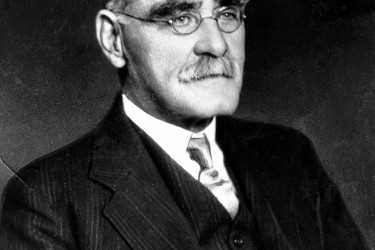
Reconsidering Rudyard Kipling
Was the author and poet best known for 'The Jungle Book' and 'Kim' truly a racist imperialist?
by
John Rossi
via
The American Conservative
on
August 22, 2018
A History of the Jerks: Bodily Exercises and the Great Revival
A digital archive of first-person accounts from the turn of the 19th century chronicling an unusual display of religious ecstasy.
by
Douglas Winiarski
via
University of Richmond
on
April 9, 2018
We’re Never Going to Get Our “Have You No Sense of Decency, Sir?” Moment
Because that moment isn’t quite what we remember.
by
Rebecca Onion
via
Slate
This publication restricts nonsubscriber access to some or all of its articles.
on
July 26, 2018
“It Was Us Against Those Guys”: The Women Who Transformed Rolling Stone in the Mid-70s
How one 28-year-old feminist bluffed her way into running a copy department and made rock journalism a legitimate endeavor.
by
Jessica Hopper
via
Vanity Fair
This publication restricts nonsubscriber access to some or all of its articles.
on
August 28, 2018
Victorian-Era Orgasms and the Crisis of Peer Review
A favorite anecdote about the origins of the vibrator is probably a myth.
by
Robinson Meyer
,
Ashley Fetters
via
The Atlantic
This publication restricts nonsubscriber access to some or all of its articles.
on
September 6, 2018
The Wild Alaskan Island That Inspired a Lost Classic
A century later, “Quiet Adventure in Alaska” still sounds pretty good.
by
Sarah Laskow
via
Atlas Obscura
on
August 28, 2018
partner
Anonymous Criticism Helped Make America Great
Trump’s critic is utilizing a practice employed by many of the Founding Fathers to protect truth from power.
by
Jordan E. Taylor
via
Made By History
on
September 8, 2018
We Saw Nuns Kill Children: The Ghosts of St. Joseph’s Catholic Orphanage
Millions of American children were placed in orphanages. Some didn’t make it out alive.
by
Christine Kenneally
via
BuzzFeed News
on
August 27, 2018
The Supreme Court Is Headed Back to the 19th Century
The justices again appear poised to pursue a purely theoretical liberty at the expense of the lives of people of color.
by
Adam Serwer
via
The Atlantic
This publication restricts nonsubscriber access to some or all of its articles.
on
September 4, 2018
The First Floridians
In St. Augustine lie the ruins of Fort Mose, built in 1738 as the first free black settlement in what would become the United States.
by
Jordan Blumetti
via
The Bitter Southerner
on
September 3, 2018
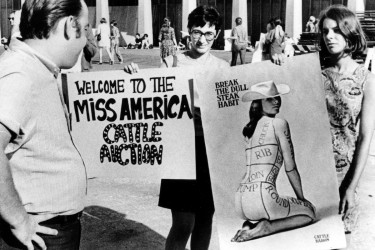
How ‘No More Miss America’ Announced a Feminist Upheaval
A bold protest 50 years ago put a renewed women’s liberation movement on the public map—and offers lessons for today’s resistance.
by
Laura Tanenbaum
,
Mark Engler
via
The Nation
This publication restricts nonsubscriber access to some or all of its articles.
on
September 7, 2018
How (or How Not) to Build a Labor Movement
Looking at the Pullman Strike and the political forces it stirred.
by
Jake Pitre
via
Lapham’s Quarterly
on
August 22, 2018
The Unlearned Lesson of Hurricane Maria
A hurricane historian talks about the still-unfolding disaster in Puerto Rico.
by
Stuart B. Schwartz
,
Adam Behrman
via
Edge Effects
on
September 4, 2018
The Only Way to Find Out If the President Can Be Indicted
Scholars disagree on existing precedents—and the question won’t be settled until evidence leads a prosecutor to try it.
by
Garrett Epps
via
The Atlantic
This publication restricts nonsubscriber access to some or all of its articles.
on
May 23, 2018
American Women's Obsession With Being Thin Began With This 'Scientist'
Greta Garbo and Marlene Dietrich were hooked on his diet.
by
Shoshi Parks
via
Timeline
on
May 29, 2018
The Origins of Cybex Space
Cybex fitness equipment fills gyms around the world. Where did it come from?
by
Carolyn Thomas de la Peña
via
Cabinet
on
March 21, 2008
partner
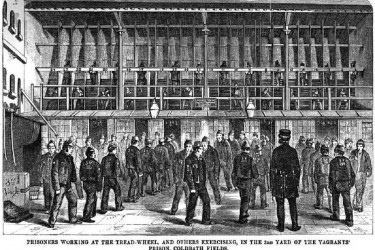
Treadmills Were Meant to Be Atonement Machines
America’s favorite piece of workout equipment was developed as a device for forced labor in British prisons.
by
Diane Peters
,
U. R. Q. Henriques
,
David H. Shayt
via
JSTOR Daily
on
May 2, 2018
'Walden' Wasn’t Thoreau’s Masterpiece
In his 2-million-word journal, the transcendentalist balanced poetic wonder and scientific rigor as he explored the natural world.
by
Andrea Wulf
via
The Atlantic
This publication restricts nonsubscriber access to some or all of its articles.
on
November 1, 2017
Women’s Liberation, Beauty Contests, and the 1920s: Swimsuit Edition
The swimsuit that's controversial now for its sexist overtones was once controversial for its suggestions of women’s liberation.
by
Laura Prieto
via
Nursing Clio
on
June 19, 2018
Inked Irishmen
Irish tattoos in 1860s New York.
by
Damian Shiels
via
Irish in the American Civil War
on
May 23, 2018
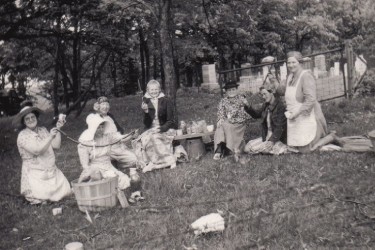
Remembering When Americans Picnicked in Cemeteries
For a time, eating and relaxing among the dead was a national pastime.
by
Jonathan Kendall
via
Atlas Obscura
on
April 20, 2018
partner
As Swimsuit Season Ends, Pursuit of the ‘Bikini Body’ Endures
The "bikini body" is out. But the pressure to maintain the ideal female physique lives on.
by
Natalia Mehlman Petrzela
via
Made By History
on
August 30, 2018
Anita Hill and Her 1991 Congressional Defenders to Joe Biden: You Were Part of the Problem
Hill revisits the infamous Clarence Thomas hearings with five of the congressional women who supported her.
by
Annys Shin
,
Libby Casey
via
Washington Post
This publication restricts nonsubscriber access to some or all of its articles.
on
November 22, 2017
Anita Hill's Opening Statement
In 1991, Anita Hill publicly accused then Supreme Court nominee Clarence Thomas of sexual harassment in the early 1980s.
via
CNN
on
October 11, 1991
partner
Why Some White Americans see Racial Equality as Oppression
White victimhood's roots in the Civil War.
by
Martha Hodes
via
Made By History
on
August 27, 2018
United Daughters of the Confederacy & White Supremacy
In an open letter, an encyclopedia editor stands behind the use of the term "white supremacy" to describe the UDC's work.
by
Brendan Wolfe
via
Encyclopedia Virginia
on
August 30, 2018
Two Ways of Looking at the Bisbee Deportation
A century-old image and the film it inspired.
by
Katherine Benton-Cohen
,
Robert Greene
via
Lapham’s Quarterly
on
August 30, 2018
“The Town Was Us”
How the New England town became the mythical landscape of American democracy.
by
Garrett Dash Nelson
via
Places Journal
on
July 1, 2018
From Food Deserts to Supermarket Redlining
Connecting the dots between discriminatory housing policies in the 1930s and urban food insecurity today.
by
Jerry Shannon
via
Atlanta Studies
on
August 14, 2018
partner
The Legendary Language of the Appalachian "Holler"
Is the unique dialect a vestige of Elizabethan England? Left over from Scots-Irish immigrants? Or something else altogether?
by
Chi Luu
via
JSTOR Daily
on
August 8, 2018
Have Elite US Colleges Lost Their Moral Purpose Altogether?
The ethical formation of citizens was once at the heart of the US elite college. Has this moral purpose gone altogether?
by
Chad Wellmon
via
Aeon
on
August 16, 2018
partner
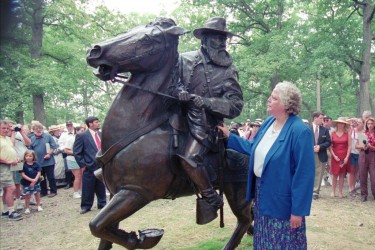
The Missing Statues That Expose the Truth About Confederate Monuments
Why Confederacy supporters erased the legacy of one its most accomplished soldiers.
by
Kevin Waite
via
Made By History
on
August 29, 2018
50 Years Ago, Progressive Delegates Commandeered the Democratic Convention
The surprise vice presidential nomination of Julian Bond suddenly turned the televised discussion to poverty, racism, and war.
by
John Nichols
via
The Nation
This publication restricts nonsubscriber access to some or all of its articles.
on
August 29, 2018
Rage Against the Machine
An excerpt from a novel by Todd Gitlin that reimagines the violence outside the 1968 Democratic National Convention in Chicago.
by
Todd Gitlin
via
Smithsonian Magazine
on
January 1, 2018
Southerners Tore Down Silent Sam. Now Northerners Need to Tear Down Confederate Flags.
Each one flown outside the slave states amounts to an admission that the flag represents whiteness, not Southernness.
by
Alex Pareene
via
HuffPost
on
August 29, 2018
My Fellow Prisoners
The grand lesson of John McCain's life should be that heroic politics is a broken politics.
by
George Blaustein
via
n+1
on
August 29, 2018
Previous
Page
267
of 306
Next
Filters
Filter by:
Categories
Belief
Beyond
Culture
Education
Family
Found
Identity
Justice
Memory
Money
Place
Power
Science
Told
Content Type
-- Select content type --
Annotation
Antecedent
Argument
Art History
Audio
Biography
Book Excerpt
Book Review
Bunk Original
Comment
Comparison
Debunk
Digital History
Discovery
Dispatch
Drawing
Etymology
Exhibit
Explainer
Film Review
First Person
Forum
Journal Article
Longread
Map
Media Criticism
Museum Review
Music Review
Narrative
News
Obituary
Oral History
Origin Story
Overview
Poll
Profile
Q&A
Quiz
Retrieval
Satire
Social Media
Speech
Study
Syllabus
Theater Review
Timeline
TV Review
Video
Vignette
Visualization
Select content type
Time
Earliest Year:
Latest Year: