Person

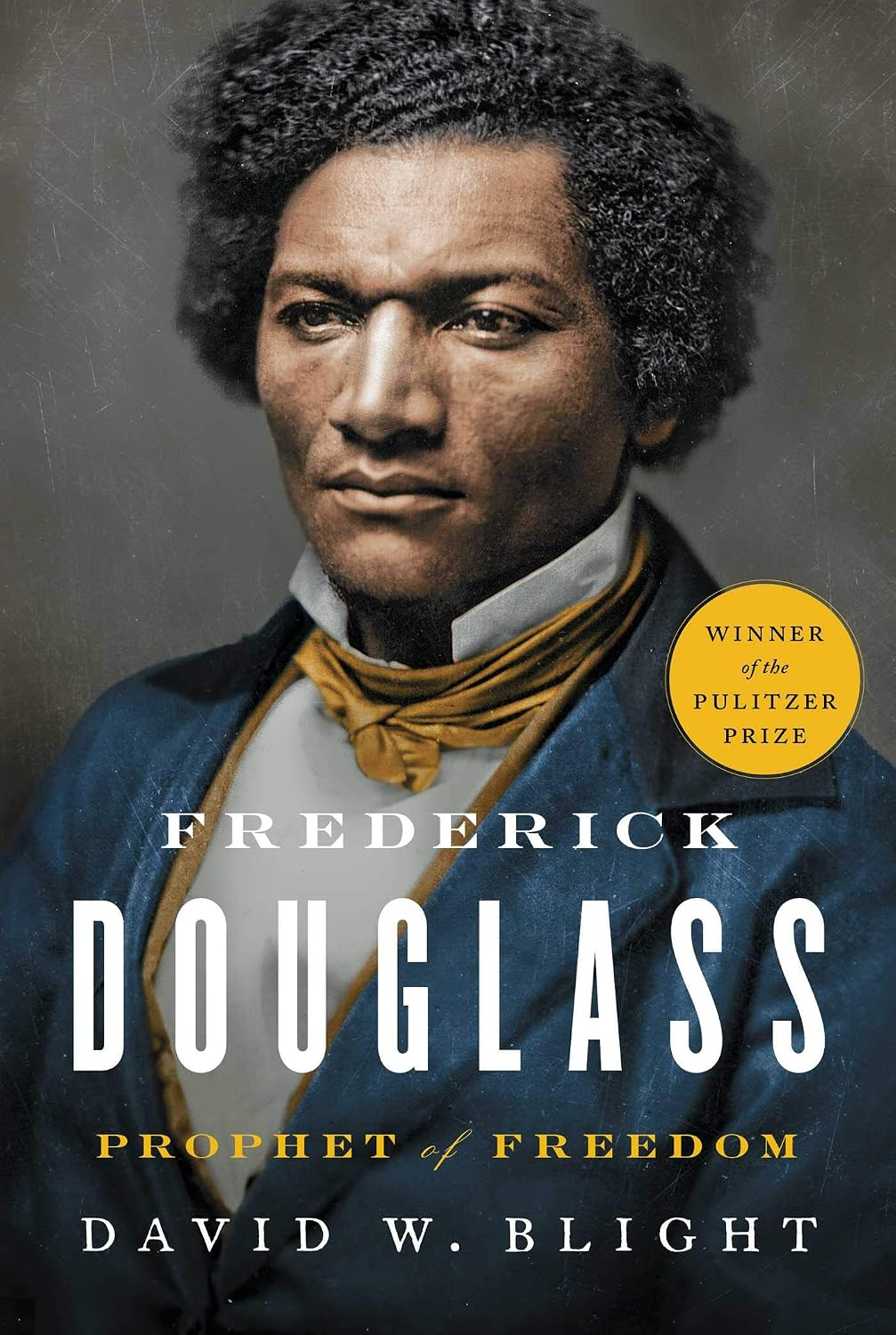
David W. Blight

Bylines

Related Excerpts

BackStory
Podcast
BackStory

Henceforth Free: The Emancipation Proclamation

Learn about how Americans thought about emancipation in 1862, and its shifting meanings since then, as seen through the Emancipation Memorial in Washington D.C., the Civil War centennial commemorations in the height of the Civil Rights Era, and the former capital of the Confederacy today. Finally, hear the voices of former slaves themselves, remembering their first experiences of freedom.
BackStory
Podcast
BackStory

Fierce Urgency of Now: The 1963 March on Washington

On its 50th anniversary, the hosts find the roots of the march in the radical labor politics of the 1940s, and farther back in the Emancipation Proclamation. Guests who helped organize or attended the march offer personal perspectives on the events and impact of the day. Have we achieved the marchers’ aims for “jobs and freedom”? What impact has King’s “I Have a Dream” speech had on race relations? Is King’s plea for action as necessary today as it was then?
BackStory
Podcast
BackStory

Civil War 150th: The Road to War

This is the first of a three-part reflection on the Civil War at its sesquicentennial. It explores Lincoln’s election, secession fears, slavery’s role in the conflict, and how Americans have misjudged the war’s devastating impact.
Drawing of Yale University, from likely the 17th century.

Reckoning With Yale’s Ties to Slavery

An institutional history of the “peculiar institution.”
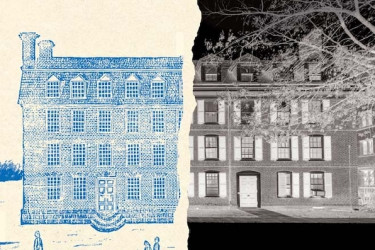
Buildings drawing and black and white negative, on the cover of "Yale and Slavery."

What Universities Owe

David Blight's report "Yale and Slavery" considers institutional accountability in the context of a world marked by systemic violence and inequality.
A photograph of Frederick Douglass imposed on the cover of The Columbian Orator by Caleb Bingham.

The Columbian Orator Taught Nineteenth-Century Americans How to Speak

For strivers like Lincoln, guides to rhetoric had a special currency in the nineteenth century.
George Caleb Bingham, Stump Speaking (1853–54).

How the American Jeremiad Can Restore the American Soul

One of the country’s greatest rhetorical traditions still has the power to remind us of our founding principles.
Cartoon depiction of a confederate statue, its hat falling off as it is lifted off a pedestal covered in graffiti about love and justice

After the Lost Cause

Why are politics so consumed with the past?
Mural of Frederick Douglass

The Prophet Is Human

A towering new biography of the great American orator and public intellectual Frederick Douglass.
Frederick Douglass

The Double Battle

A review of David Blight's new biography of Frederick Douglass.

The Unlikely Paths of Grant and Lee

The two men met at Appomattox. The loser would become a role model, the victor an embarrassment.
Frederick Douglass.
partner

"What to the Slave is the Fourth of July?"

Frederick Douglass’ 1852 speech is widely known as one of the greatest abolitionist speeches ever.
partner

Fierce Urgency of Now

Exploring the origins and impacts of the "March on Washington for Jobs and Freedom," on that event's 50th anniversary.
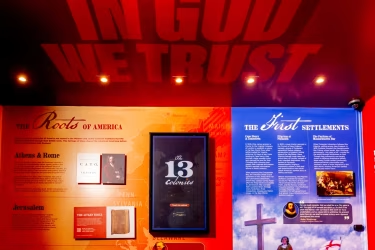
Exhibit with lots of text and Christian references inside of a "Freedom Truck"

What, to the American People, is the Semiquincentennial?

In the wake of vitriolic red-hat patriotism distorting the nation’s history, this essay revisits Frederick Douglass’s deftly critical work to ask.
Federal encampment on Cumberland Landing, Virginia.
partner

How the Union Lost the Remembrance War

The victors of the American Civil War failed to write their story into the history books, leaving a gap for the mythologizing of the Confederacy.
55th Massachusetts marches through Charleston, 1865.
partner

Elevating the Few

What J.D. Vance excludes from the history of the Civil War and immigration.
Scroll and quill pen

Brutality and Opacity

Birthright citizenship under attack.
Trump from behind, and the Washington monument.

How Trump Wants to Change History

Late last month, President Donald Trump issued an executive order to restore “truth and sanity to American history.”
Lindsey R. Peterson.

'Home Builders': Free Labor Households and Settler Colonialism in Western Civil War Commemorations

On the gendered dimensions of trans-Mississippi Civil War memory, the idea of the single-family household, and the politics of expansion and settlement.
Smithsonian Institution, Washington, DC.

‘It Reminds You of a Fascist State’: Smithsonian Institution Braces for Trump Rewrite of US History

Normally staid historians sound alarm at authoritarian grasping for control of the premier US museum complex.