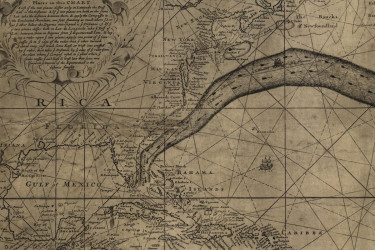
Benjamin Franklin and Thomas Folger's "A chart of the Gulf Stream" (1768).

Prelude to a Revolution, Part One

How maps, scarcity, and severe weather combined to shape the new American Republic—and a revolution we’re still waiting on.
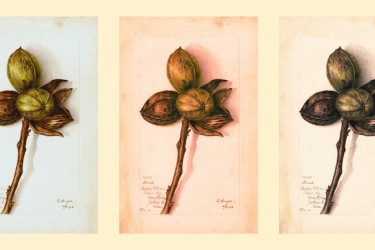
Botanical plate drawings of budding pecans.

How an Enslaved Gardener Transformed the Pecan Into a Cash Crop

On the unsung contributions of Black and indigenous people to American biology.
From a 1886 newspaper ad titled “The 13 Useless Doctors”.

How the Nineteenth-Century Patent Medicine Industry Exploited Women

Today’s therapeutic ketamine clinics echo the tactics patent medicines once used to exploit women.

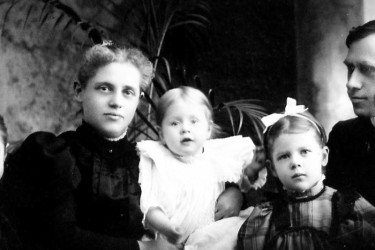
Experiencing Infant Mortality: Two Physicians at the Turn of the 20th Century

Professionals processing a profoundly personal loss.
Bill Haast and a cobra.

Venom in His Veins

Bill Haast, the Florida man who tried to milk medical miracles from deadly snakes.
Three avocados on the sidewalk.

Why the Hass Variety Reigns as Avocado Royalty

From ugly duckling to Super Bowl favorite, a Whittier postman's discovery transformed California agriculture.
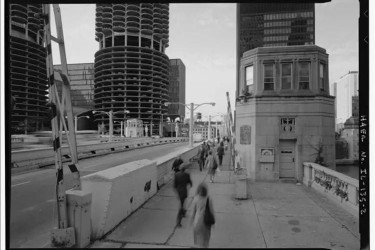
A city sidewalk in Chicago.

The Sidewalk as an Environmental Threshold

How cement divides nature and civilization.
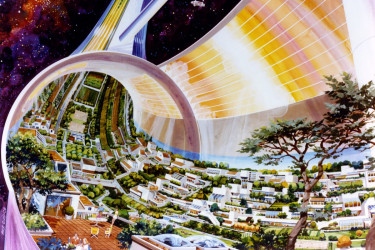
Imagined interior of a space settlement, a dome covering buildings and trees.

Where’s My Orbital Habitat?

NASA has always balanced the fantastical against the sensible. What happens when the scales start to tip?
Several thousand reindeer rounded up for slaughter in northern Sweden in 1988
partner

The Radioactive Reindeer Problem

Cold War nuclear testing left troubling levels of Cesium-137 in caribou, prompting years of research into Arctic fallout and its risks to human health.
Injection pens for the weight-loss treatment Wegovy.
partner

The History Shaping the Debate Over GLP-1s and Insurance

How Americans came to see health as a personal responsibility.
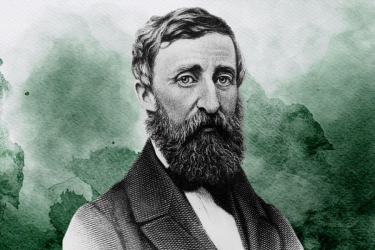
Henry David Thoreau

On Henry David Thoreau’s Ultimate Instrument of Perception, the “Kalendar”

Exploring Henry David Thoreau's meticulous track of natural phenomena.
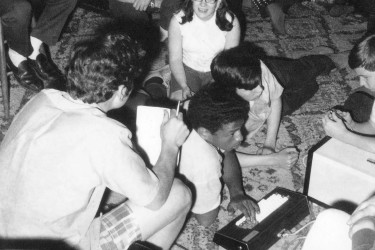
Chuck Ehrlich, Gail Warner, Daryl Bailey, and Barry Klein sitting on a rug and playing with a keyboard.

How the RESISTORS Put Computing Into 1960s Counter-Culture.

Teenage nerds in New Jersey were hacking before the PC and the Internet.
Sunflowers in front of the Civaux Nuclear Power Plant in Civaux, France.

We Could Have an Inexpensive, Clean-Energy Future

For 70 years, irrational fear of low-level radiation blocked the path to an energy-rich future. We must get over it.
Portrait of Benjamin Franklin reading.

Benjamin Franklin’s Experiments

The mindset Franklin demonstrated in his scientific work helps us understand his political accomplishments.
Giovanni Schiaparelli’s map of Mars drawing.

The Man Who Wanted to Believe in Life on Mars

The Mars craze is a case study in twisting evidence and defying facts.
Patent illustrations for an early guarded razor for shaving.

A History of…Shaving

Pretty much anything was better than injecting acid into hair follicles.
Cursor arrows caught in a spider web.

How the Web Was Lost

The Internet was not meant to suck.
James Watson

The Paradox of James Watson

The discovery of DNA was evidence of how deeply interconnected humans are, but the late scientist saw only difference.
Advertisement for Lucas brand car batteries, 1958.

Politically Charged

How a shady car battery additive called AD-X2 sparked a showdown between the U.S. country’s political and scientific establishments.
Staff handing Lyndon Johnson reports in the oval office.

This Whole Thing Really Snuck Up On Us

Looking back, and ahead, on the anniversary of a White House warning.
The Pittsburgh skyline with a pile of trash in the foreground, 1974.

The EPA's '70s Documerica Series Is Beautiful and Still Urgent

Photographs that show "a country of people made rich at the expense of the environment, but seeing the richness spoiled by a world they’ve destroyed."
Collage of weather charts, clouds, an airplane, and a man holding onto a weather balloon.

Why It’s So Hard to Bust the Weather Control Conspiracy Theory

From effective rain-enhancing technology to a long, secretive history of trying to weaponize storms, there’s fertile ground for misinformation.
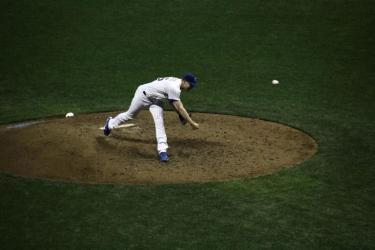
Corey Knebel throwing a curveball, 2017

When Baseball Threw Physics a Curve

Sports, science, and collective delusion.
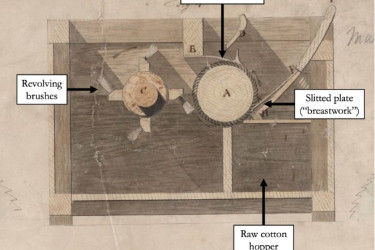
Diagram of a cotton gin

How Eli Whitney Single-handedly Started the Civil War . . . and Why That’s Not True

The real Whitney story is less grand than the legend, but more interesting and, ultimately, more edifying.
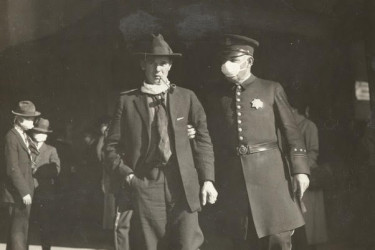
Police officer wearing a mask, arrests a man who lowered his mask to smoke a pipe, in 1918.

The Mask

How the history of the anti-mask and anti-vaccination movements hang together.
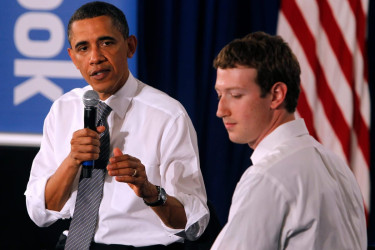
President Obama and Mark Zuckerberg.

The Obama-Era Roots of DOGE

The Congressional Hackathon highlights fading faith in tech fixes and exposes the limits of AI optimism.
Nurse attends man in iron lung.

The Polio Vaccine Was a Miracle—and We Must Not Forget It

As a polio survivor, I am a dinosaur today. My great hope is that our country’s living memory of the disease ends with my generation.
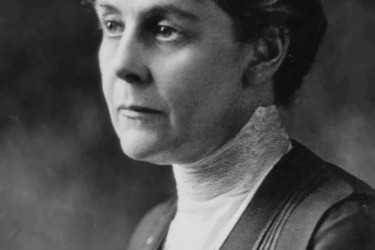
Headshot of Alice Hamilton.

How Alice Hamilton Helped the World See a Hidden Poison

How she transformed public health in her fight against lead poisoning.
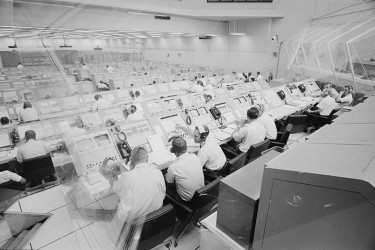
Rows of men seated at computer terminals at Kennedy Space Center, 1967.
partner

America’s Privacy Policy

Recent news coverage has called the Privacy Act of 1974 “Watergate-inspired,” but such framing misses the big picture.
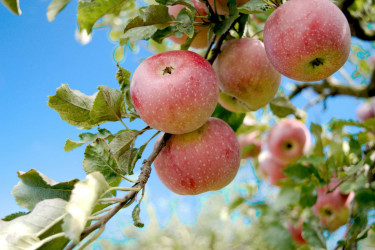
Apples on a branch of an apple tree.

To Understand America, Look to the Everyday Apple

The country is losing neighbourhood orchards—and a connection to its origins.