Menu
Excerpts
Exhibits
Collections
Originals
Podcasts
Categories
Map
Search
Category
Told
On language and modes of communication.
Load More
Viewing 691–720 of 728
The Lost Civilization of Dial-Up Bulletin Board Systems
A former systems operator logs back in to the original computer-based social network.
by
Benj Edwards
via
The Atlantic
This publication restricts nonsubscriber access to some or all of its articles.
on
November 4, 2016
Green’s Dictionary of Slang
A web dictionary devoted to historical English slang—five hundred years of the vulgar tongue.
by
Jonathon Green
on
October 12, 2016
partner
How Televising Presidential Debates Changed Everything
Ever since Kennedy-Nixon, televised debates have given viewers an insight into candidates' policies—and their personalities, too.
by
Livia Gershon
,
James N. Druckman
via
JSTOR Daily
on
September 23, 2016
The Original Attack Dog
James Callender spread scurrilous rumors about Alexander Hamilton and John Adams. Then he turned on Thomas Jefferson, too.
by
John Dickerson
via
Slate
This publication restricts nonsubscriber access to some or all of its articles.
on
August 9, 2016
Infographics in the Time of Cholera
To inform its readers of a cholera epidemic, The New York Tribune published an ancestor to our current infographics.
by
Scott Klein
via
ProPublica
on
March 16, 2016
partner
Invisible Cities
On John Winthrop’s oft-misunderstood use of the phrase “a city upon a hill” to describe the New World.
via
BackStory
on
January 22, 2016
partner
Seeing Red
That time Stalin coined the term “American Exceptionalism.”
via
BackStory
on
January 22, 2016
“Terrorism” in the Early Republic
Originally, the term referred to a specific kind of foreign political violence.
by
Jonathan W. Wilson
via
The Junto
on
January 6, 2016
Raiders of the Lost Web
If a Pulitzer-nominated 34-part series of investigative journalism can vanish from the web, anything can.
by
Adrienne LaFrance
via
The Atlantic
This publication restricts nonsubscriber access to some or all of its articles.
on
October 14, 2015
The Pamphleteers
Pulitzer Prize–winning historian Gordon Wood talks about pamphlets, changes in the media environment, and the current state of historical writing.
by
Gordon S. Wood
,
Scott Porch
via
Los Angeles Review of Books
on
September 24, 2015
Patrick Henry’s “Liberty or Death”—Granddaddy of Revolution Mythologies
Hidden within this most pervasive mythology of the Revolution is a distortion of the Revolutionary experience.
by
Ray Raphael
via
Journal of the American Revolution
on
July 13, 2015
The Real History of Hushpuppies
Hushpuppies are delicious, iconically Southern, and no one seems to have a clue where they came from.
by
Robert F. Moss
via
Serious Eats
on
June 23, 2015
The Birth of Breaking News
On May 10th, 1869, the entire nation was waiting for the moment a silver hammer struck a golden spike, creating the first massive breaking news story.
by
Aric Allen
via
YouTube
on
June 14, 2015
Cuba Libre
Covering the island has been a central concern for The Nation since the beginning—producing scoops, aiding diplomacy, and pushing for a change in policy.
by
Peter Kornbluh
via
The Nation
This publication restricts nonsubscriber access to some or all of its articles.
on
March 23, 2015
Antebellum Data Journalism: Or, How Big Data Busted Abe Lincoln
An 1848 investigative news story that relied on heavy data analysis snared big fish, including two future presidents.
by
Scott Klein
via
ProPublica
on
March 17, 2015
Together With the Kuklapolitans
In the middle of the past century, a gentle crew of puppets united the TV watchers of America.
by
Jacqui Shine
via
Slate
This publication restricts nonsubscriber access to some or all of its articles.
on
February 16, 2015
The Language of the State of the Union
An interactive chart reveals how the words presidents use reflect the twists and turns of American history.
by
Mitch Fraas
,
Benjamin M. Schmidt
via
The Atlantic
This publication restricts nonsubscriber access to some or all of its articles.
on
January 18, 2015
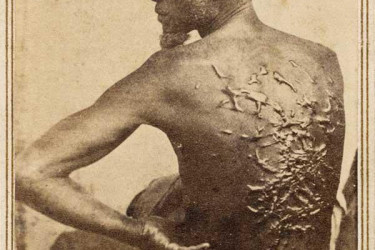
“A Typical Negro”
Gordon, Peter, Vincent Colyer, and the story behind slavery's most famous photograph.
by
David Silkenat
via
American Nineteenth Century History
on
August 8, 2014
The Myth of the War of the Worlds Panic
Orson Welles’ infamous 1938 radio program did not touch off nationwide hysteria. Why does the legend persist?
by
Michael J. Socolow
,
Jefferson Pooley
via
Slate
This publication restricts nonsubscriber access to some or all of its articles.
on
October 28, 2013
The Racial History Of The 'Grandfather Clause'
Companies and individuals are considered grandfathered and exempt from new sets of regulations all the time. But the term and the concept dates to a darker era.
by
Alan Greenblatt
via
NPR
on
October 22, 2013
The Incredible Life of Lew Wallace, Civil War General and Author of Ben-Hur
The incredible story of how a disgraced Civil War general became one of the best-selling novelists in American history.
by
John Swansburg
via
Slate
This publication restricts nonsubscriber access to some or all of its articles.
on
March 26, 2013
The Other Shooter: The Saddest and Most Expensive 26 Seconds of Amateur Film Ever Made
For many of us, especially those who weren’t alive when it happened, we’re all watching that event through Zapruder’s lens.
by
Alex Pasternack
via
Vice
on
November 12, 2012
The Lie Factory: How Politics Became a Business
The field of political consulting was unknown before Leone Baxter and Clem Whitaker founded Campaigns, Inc., in 1933.
by
Jill Lepore
via
The New Yorker
This publication restricts nonsubscriber access to some or all of its articles.
on
September 17, 2012
The Manly Sport of American Politics
19th-century Americans abandoned the English phrasing of "standing" for election and begin to describe candidates who "run" for office. The race was on.
by
Kenneth Cohen
via
Commonplace
on
April 1, 2012
Was the Federalist Press Staid and Apolitical?
Quite the contrary. They used rhetoric to build a partisan community, and realized that parties needed to create and market identities, not simply agendas.
by
Catherine O'Donnell Kaplan
via
Commonplace
on
October 1, 2008
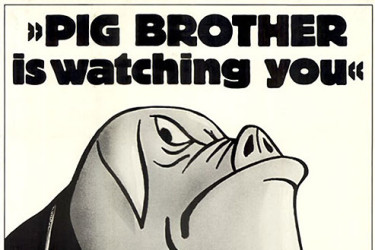
Short Cuts: The CIA’s Animal Farm
The CIA secretly funded the 1954 Animal Farm film, reshaping Orwell’s ending to push anti-Soviet messaging during early Cold War politics.
by
J. Hoberman
via
London Review of Books
This publication restricts nonsubscriber access to some or all of its articles.
on
July 5, 2007
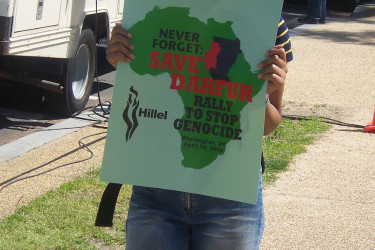
The Politics of Naming: Genocide, Civil War, Insurgency
How the labels applied to violence abroad affect how Americans think the U.S. government should respond.
by
Mahmood Mamdani
via
London Review of Books
This publication restricts nonsubscriber access to some or all of its articles.
on
March 8, 2007
Great Migration Debates: Keywords in Historical Perspective
The use of the word "immigrant" in contemporary debates often reflects a lack of understanding of U.S. immigration history.
by
Donna Gabaccia
via
Social Science Research Council
on
July 28, 2006
A Brief History of Character Codes
Character codes have been evolving through multiple systems over multiple centuries, this is the story.
by
Steven J. Searle
via
TRON Web
on
August 6, 2004
The First Casualty
The selling of the Iraq war.
by
Spencer Ackerman
,
John B. Judis
via
The New Republic
This publication restricts nonsubscriber access to some or all of its articles.
on
June 30, 2003
Previous
Page
24
of 25
Next