A more winning new sort of American soccer book focuses not on the middling state of the sport’s top level here (at least when it comes to our men—the women are different), but on how important soccer has become to the kind of American towns where high school sports shape civic life. In One Goal, Amy Bass recounts soccer’s recent roles in the larger story of Lewiston, Maine: an old mill town on the Androscoggin River that’s been transformed, since 2001, by Somali refugees who landed there from East Africa’s wars.
These thousands of black followers of Islam revived Lewiston’s dying streets; or, depending on whom you asked, represented a worrying threat to a very white place. But then those refugees’ soccer-loving sons, with their crusty Irish coach, turned Lewiston High School into a soccer champion—and convinced many members of this community, anyway, that immigrants and refugees should be seen not as this country’s burden, but its hope.
But such warming tales aside, there are two subjects that deserve the most attention when talking about soccer in the United States today—and both of them have to do with traits for which the US can still be admired. The first of these is the all-conquering women’s national team: a side that’s won fully half of the major tournaments it’s entered since the first Women’s World Cup in 1991. These players’ popularity in the culture stands as a potent exemplar of how Title IX, the 1972 federal law mandating equality of opportunity in American education and thus American sports, has advanced gender equity everywhere.
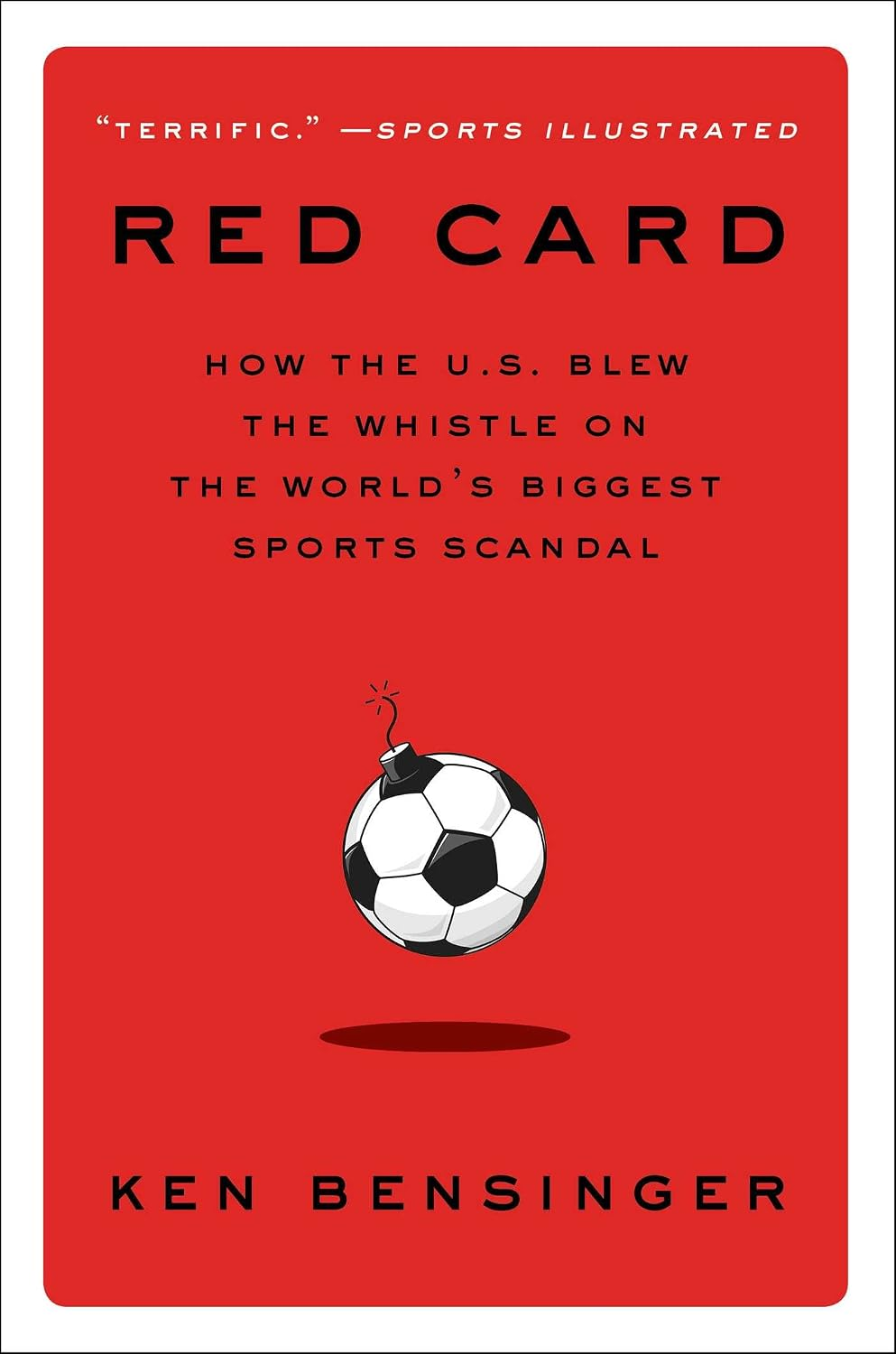
The United States’ other prominent role in world soccer involves a pair of beleaguered American institutions—the FBI and the Department of Justice—that won the esteem of soccer-lovers everywhere on May 27, 2015, when they revealed that US Attorneys in New York’s Eastern District had, for years, been building an investigation into the Fédération Internationale de Football Association, or FIFA.
The landmark indictments unveiled that day, after the dramatic early morning arrest of a slew of senior FIFA officials at a luxury Zurich hotel, illuminated the extent to which FIFA’s regional confederations and their partners in business in fact comprised a single enterprise: a global criminal syndicate, in effect, whose members had for decades corrupted this game from within by “engaging in various criminal activities, including fraud, bribery, and money laundering, in pursuit of personal and commercial gain.”