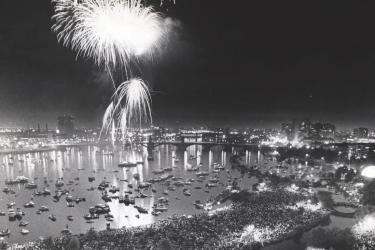
Fourth of July fireworks seen over the Charles River Esplanade in Boston, 4 July 1976.

Party in the USA: The 1976 Bicentennial in Boston

In 1976, Boston saw the bicentennial celebrations of the United States as an opportunity to revitalize the city.
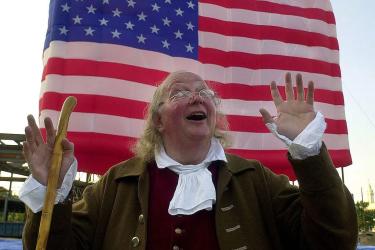
A Benjamin Franklin impersonator comedically raising his hand. An American flag waves in the background.

It's Time to Dump the Founding Fathers

Their wealthy successors are still waging class war.
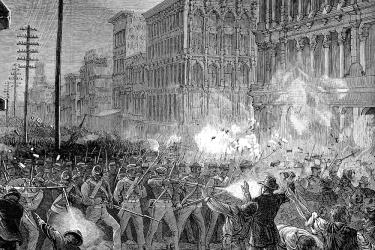
Illustration of St Louis Workers rioting.
partner

How White Supremacists Responded to the Great Strike of 1877

St. Louis elites responded to a nationwide labor movement with a movement of their own.
Alan Greenspan with George W. Bush

Alan Greenspan Was a Faithful Servant of the Ruling Class

Federal Reserve Chairman Alan Greenspan was ideologically flexible but devoted servant of the powerful and a leading organizer of the war on US workers.
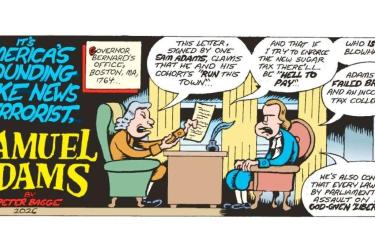
Political Cartoon header depicting two men discussing Sam Adams.

It's America's Founding Fake News Terrorist, Samuel Adams

Samuel Adams sets his sights on Tory lackeys.
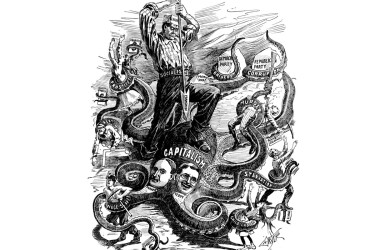
Political cartoon depicting socialism destroying capitalism's evils through franchisement

How Socialism Built the Reddest States in the West

The ascendance of socialists in the West during the early 1900s, their legacy, and their ultimate dissolution provide lessons of hope and warning.
Accountants celebrating with wine while one is on a cell phone in 1994

The End of the Yuppie Dream

The urban professionals who transformed American cities and tastes and pulled the Democratic Party to the right are a dying breed.
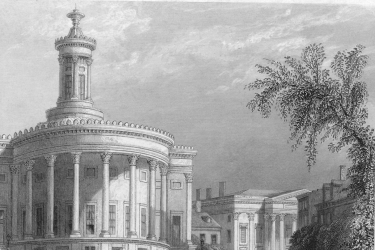
Horses and carriages drive about in front of large pillared buildings.

Financing the American Revolution

A new book provides an interesting look at the economic history of the early U.S. but fails as a biography.
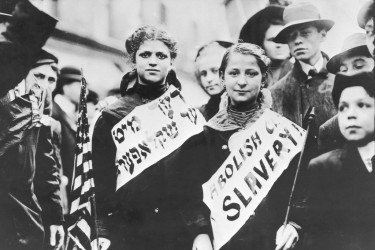
Jewish immigrant women protesting wearing banners in English and Yiddish and holding American flags.

The Radical History of New York City's Jewish Women

Within a generation, Jewish immigrant women had pulled off some of the most combative and highly organized labor actions in American history.
Grouping of red, white, and yellow circles.

Damming the Big Ocean

A new book explains how the US came to rely on economic warfare, but stops short of a complete assessment of its devastating consequences.
Throughline
Podcast
Throughline

Prediction Markets Are Making a 150-Year Comeback

Prediction markets allow users to bet on everything from the war in Iran to the winner of the Super Bowl. Where do they come from? And what can that history tell us about where they might be going? Today on the show, how betting on popes and presidents long ago planted a seed for a “terrorism market” in the early 2000s, and how those early prediction markets shaped the industry that has taken hold today.
A collage showing Black workers past and present.

On Organized Labor's AntiBlack Mythology

Perhaps thinking transhistorically might illuminate the way anti-Southerness as antiBlackness obscures the economic lens and hinders labor organizing strategy.
Yuppies in preppy clothes.

Who to Blame For the Rise of the Yuppie? Investment Banks, Obviously

How financialization remade corporate America and Wall Street.

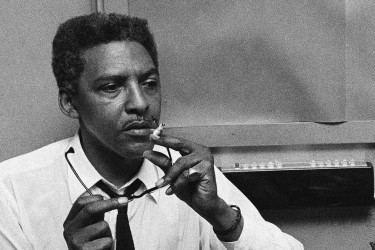
The Truth About Bayard Rustin and the Vietnam War

The lies repeated to this day about Rustin’s position on the war help conveniently dismiss one of the most trenchant critics of the New Left.
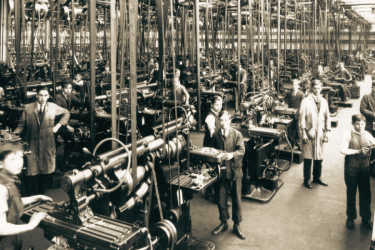
Workers pausing their labor to look at the camera from their stations at various machines and workbenches.

How Middle Management Made the Modern World

What are the rules that govern our workday? Who made them? And how do these rules dominate the rest of our lives?

Capitalism’s Long Revolution

What happens to our understanding of capitalism when we assume that it might not come to an end?
Bill Gates during a deposition by the DOJ, 1998.

Whither the Nerd-Bully?

Bill Gates was the monopolistic father figure who Silicon Valley’s young founders rebelled against—and, in so rebelling, became.

Plan A: Economic Warfare

Trade has always had to negotiate geographic bottlenecks, but by the 21st century, controlling access to the U.S. dollar seemed to offer even greater leverage.
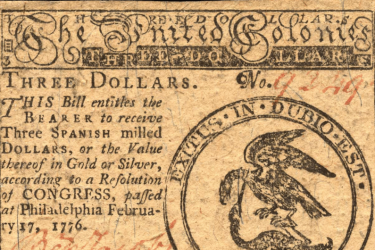
Paper Continental Currency from 1776.

The Monetary Origins of the American Revolution

The economic roots of the American Founding deserve to be understood on their own terms.
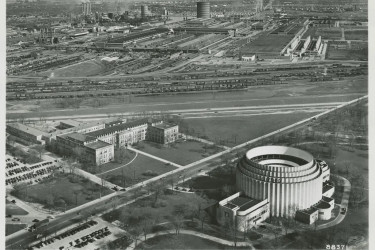
An aerial view of the Ford Motor Company's River Rouge plant, circa 1945.

Walt Disney Visited a Ford Factory in 1948. What He Witnessed There Laid Groundwork for Disneyland

Walt Disney's trip to the River Rouge plant in Michigan inspired him to embrace the power of automation when designing the first Disney theme park.
A woman smiling down on a baby as she prepares to change its diaper.

Engineering the Disposable Diaper

Benjamin Spock told mothers in the mid-twentieth century to buy six dozen cloth diapers and a covered pail. Within a decade, both were obsolete.
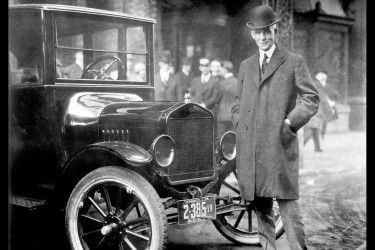
Henry Ford poses next to a Model T

Muskism as Fordism

Similarities between Musk and Ford are not simply biographical: "they are about what kind of societies their versions of political economy produce—and require."
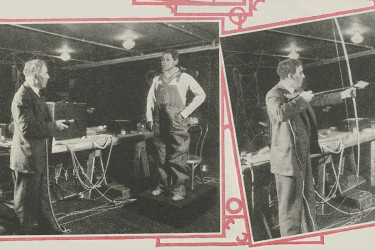
Images of Rastus Robot in an issue of Radio-Craft magazine from 1931, standing over tools.
partner

How America Racialized the Robot

Early robots in the US evolved from symbols of revolt into racialized figures tied to labor and the legacy of slavery.
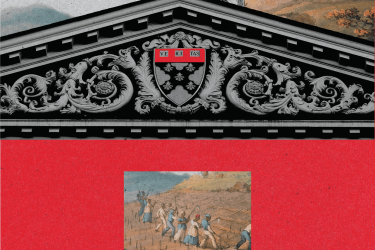
Composite image of Harvard University building and slave plantation.

Why Are Harvard’s Slavery Researchers Quitting or Being Fired?

The school’s $100m project to examine its slave ownership in Antigua is mired in controversy as academics allege obstruction.
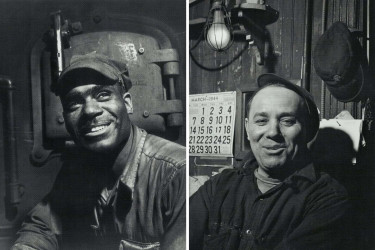
Worker portraits by Gordon Parks, 1944.

Gordon Parks and the Art of Dirty Hands

Standard Oil hired photographer Gordon Parks to create propaganda which is nonetheless also astonishing art.
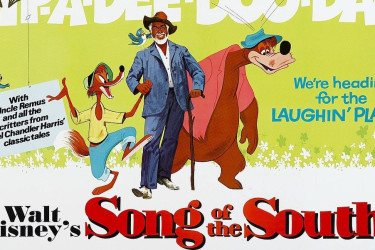
Movie poster for Song of the South

How an Animators’ Strike Led to the Making of Song of the South

On the intersection of labor contract, nationalism, and white supremacy within Disney Studios.
An office window facing the New York City skyline.

White-Collar Sweatshops

How did law firms and other professional workplaces become places of such crushing and soulless work?
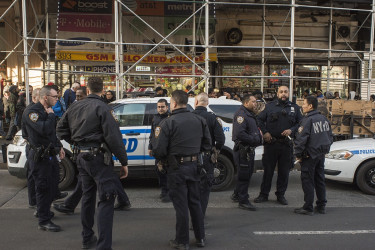
NYPD in Bronx, NY

Blue Power

The rise of police unions, from a backlash against law enforcement professionalization to a political force in the carceral state.
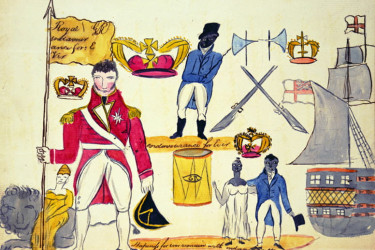
Illustration of enslaved people and the royal crown.

The Consciousness of New World Slaves as Workers

Atlantic slavery was capitalist, with enslaved workers producing profit and resisting exploitation as a “chattel proletariat.”
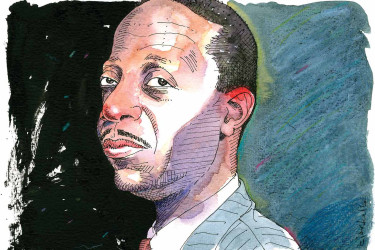
Harry Haywood

Harry Haywood and the Radical Politics of Black Communism

For Haywood, a truly radical working-class politics in the United States also required a program of self-determination.