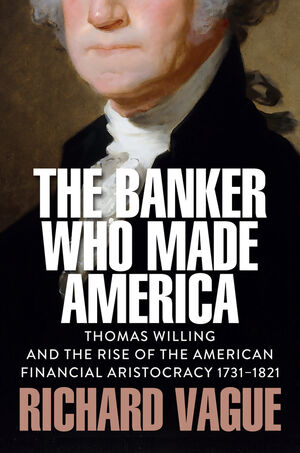
When the Continental Congress voted on July 1, 1776 to advance the resolution to declare independence from Britain to the floor for a final vote, the Pennsylvania delegation, including Willing and his friend and partner Morris, voted against the motion four to three. Nevertheless, the motion advanced to the floor—only the South Carolina delegation had joined that of Pennsylvania in the negative, although New York abstained and the Delaware delegation voted a tie.
The following day was to be the decisive one. If the colonies were to declare independence, they needed to demonstrate unity and resolve. Any state voting against independence would severely weaken the revolution and provide the British with a ready wedge to divide and conquer their rebellious subjects. The taverns of Philadelphia hummed the night of July 1 with politicking, as delegates desperately made their appeals to state delegations to get the votes in order. When the role was called and the votes taken on July 2, Robert Morris and his fellow moderate Pennsylvania delegate John Dickinson were nowhere to be found, depriving Pennsylvania of two “no” votes. Benjamin Franklin, who was in town but not serving as a delegate for the state, is widely supposed to have convinced the two to absent themselves from the Congress that day. But Willing was there, and for the second time set his name down against declaring the United States of America independent from the Kingdom of Great Britain.
Willing’s actions at the Continental Congress cast a certain pall over his reputation during the revolution, as did his decision to stay in Philadelphia when it was occupied by the British in 1777 and 1778. But his trading firm, Willing, Morris & Co., was a vital link for the Continental Army, and imported many of the supplies desperately needed by Washington and his ragged soldiers—though always at a neat profit. Willing may have voted against the Revolution, but he also made a tidy sum by its prosecution: The war raised prices, made merchant imports even more important than before, and opened up new opportunities for ventures such as privateering (a business he participated in extensively). Which is not to say that his support was purely mercenary. Willing also assisted with the creation and running of a Philadelphia corporation (it was called a bank, but made no loans) charged with collecting capital and deploying it to purchase funds and supplies for the Army, an endeavor to which Willing donated £5,000, a massive sum at the time and the largest individual contribution of any funder.