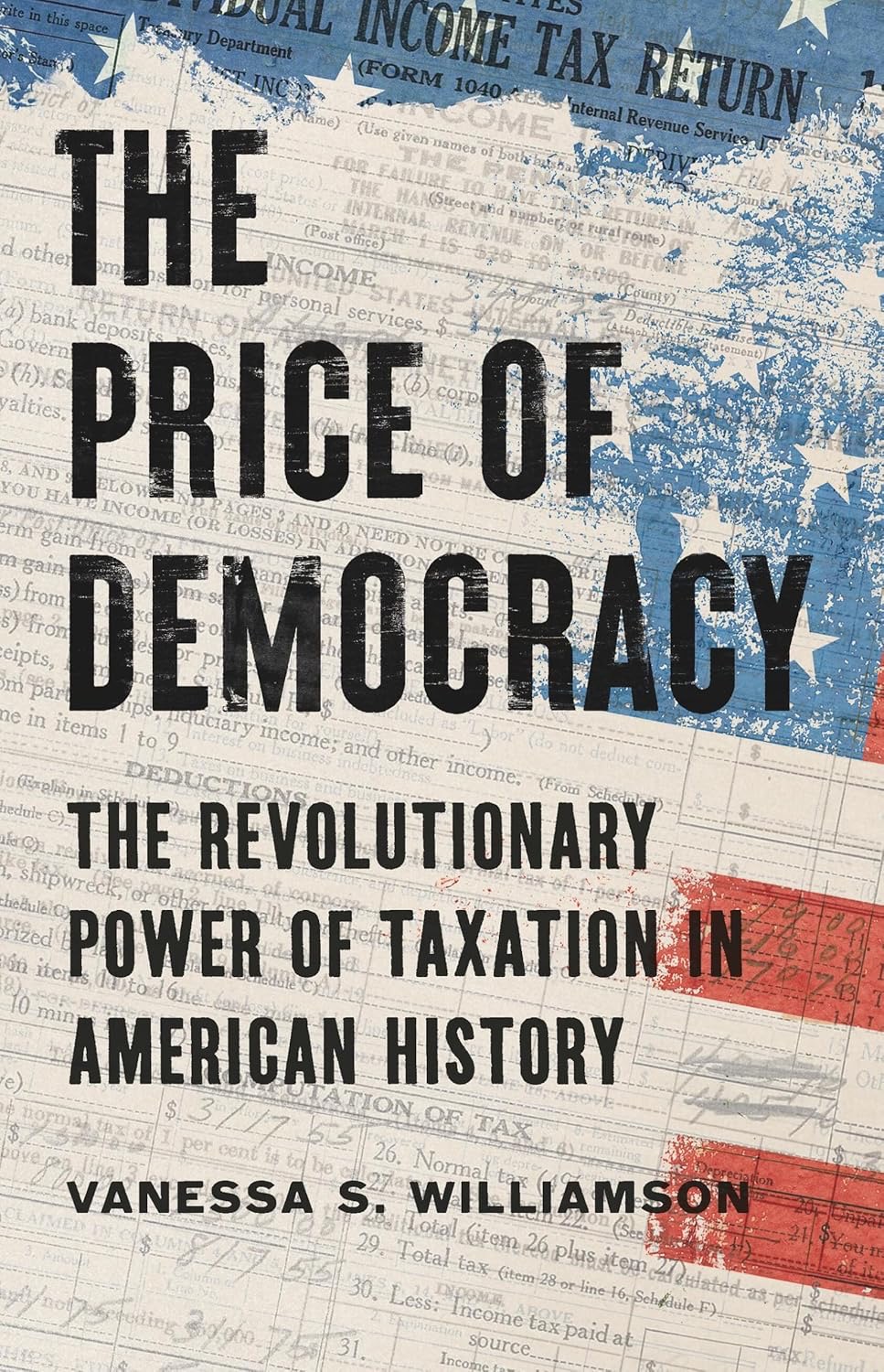
The history of taxation, in Williamson’s hands, is often the story of paths not taken. So much about life in the United States could have been so different, and better, both then and now. “Abolition by taxation” is one path not taken, along with wealth taxes, a national sales tax, and New York journalist Henry George’s proposal for a tax on unimproved land, which formed the basis of a vibrant social movement in the 1880s that can be difficult to appreciate today. The negative income tax, which would have provided cash support to all low-income working families with children and came closest to enactment in Richard Nixon’s failed Family Assistance Plan, is another missed opportunity, one that might have “united the working and nonworking poor” in a single benefit program without the stigma of welfare, Williamson says. (The refundable Earned Income Tax Credit (EITC) offers a rudimentary version of that hope today.) The income tax itself represents a decades-long struggle dotted with failures, including an 1894 decision by a Supreme Court as reactionary as today’s that drew on an ambiguous constitutional provision to hold that any tax not apportioned by state population (that is, a poor but populous state would have to pay more than a small rich state) was unconstitutional.
That set the cause back for another two decades until the surprising success, boosted by the Populist movement, of the Sixteenth Amendment, ratified in 1913. It was not until the 1930s that taxation was extended beyond the very rich, that it largely supplanted tariffs—which have very different economic consequences and generate conflict between industries—as a source of revenue, and funded the kinds of supports, such as Social Security, that could connect people to government, lift them above destitution, and give them the security and time to participate as citizens.
Just as interesting as the missed opportunities are the times when taxation was widely popular and even cause for broad-based social movements. The period leading up to enactment of the income tax was one such moment, as were the years between World War II and the Reagan backlash, when individual and corporate income tax rates were high and relatively uncontroversial. Williamson attributes some of that openness to taxation also to the politics of race in that period when Black political representation was absent in the South and minimal elsewhere and in Congress. As long as it was white voters and politicians making the decisions about tax policy, there was less room for racialized hostility to the “tax eaters.”