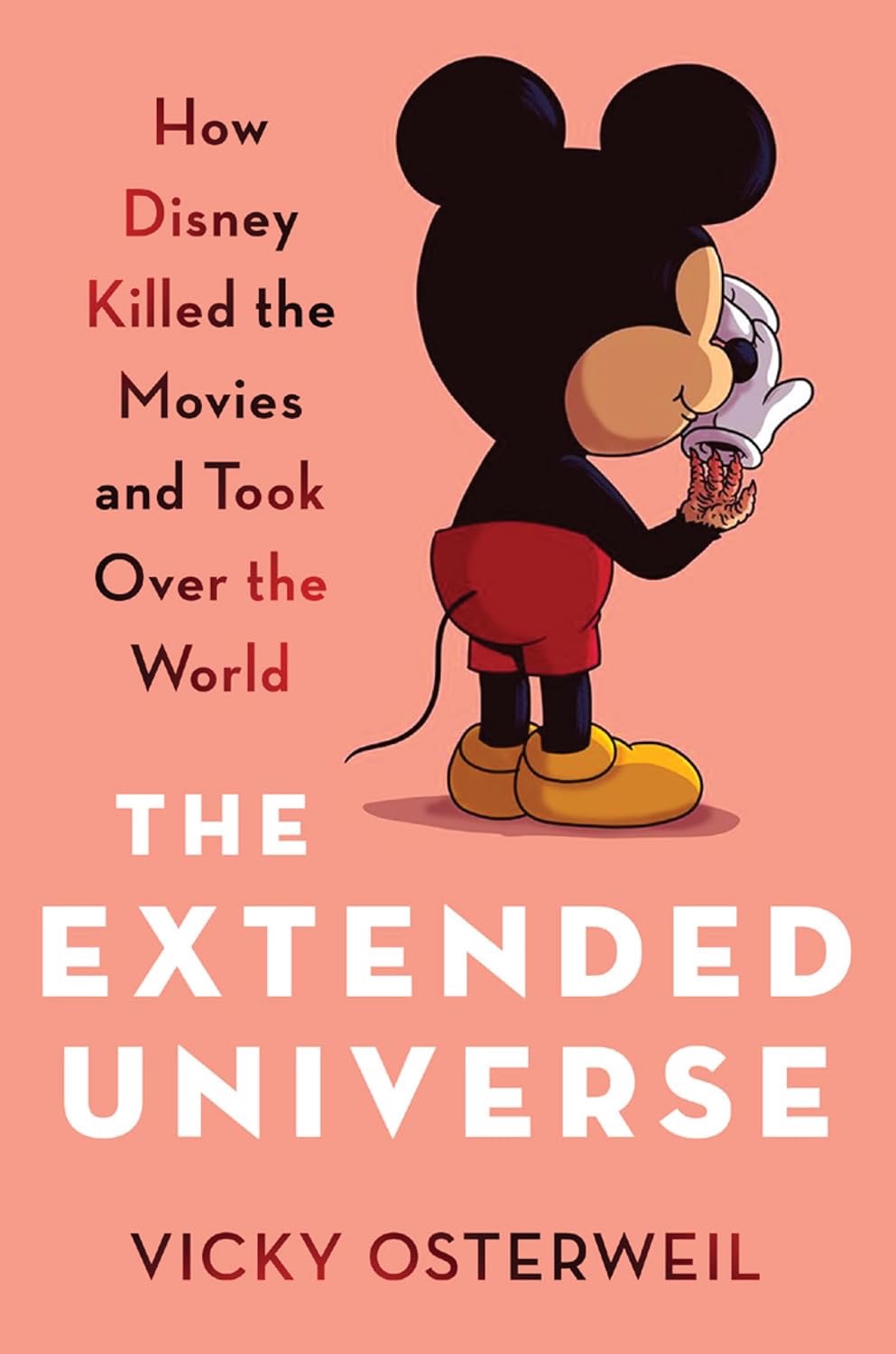
In most biographical glosses and histories, Walt is described as basically nonpolitical. He is acknowledged as a Republican, but he is often portrayed as someone mostly interested in his company, his creations, and his cartoons. This is an accurate enough description of Walt Disney in the 1920s and early ’30s. In the wake of various sex and morality scandals that rocked Hollywood in the late ’20s, and the anti-Semitism that ran through those moral panics, Walt was held up to the world as the image of a cleaner, more wholesome Hollywood, the nice middle American goy who gave birth to Mickey Mouse and reminded us of childhood innocence. Walt and his company were extremely careful in managing this image—Walt appeared everywhere, but actual journalistic access to the studio was intensely controlled.
This has continued long after his death: the Walt Disney Company maintains a “public” archive of all of Walt’s papers, along with the studio’s internal workings and early art. It is one of the largest collections of entertainment and early Hollywood material any-where on earth—but it is only open to the right kind of public. You have to apply to receive access, and even if you are approved it can be conditional on giving the company final say over whatever work you produce with the archival IP contained therein. As a result, the research scope of the books and academic papers that talk critically about the company or Walt is actively diminished by the existence of the archive. This is another way that IP can subtly, quietly restrict and reduce public culture, knowledge, and thought: Corporate control over archives and histories leaves unseen and unknown gaps in our knowledge of the world, gaps that could be easily filled were it not for the legal power of the owner. Through such gaps paranoia, conspiracy theory, propaganda, and marketing flow like water through a drain.
When talking about politics in the latter period of Walt’s career, historians typically point to Disney’s anti-Axis propaganda films for the US war effort, including—most infamously—Der Fuehrer’s Face, in which Donald Duck dresses up in Hitlerian parody. They may also point to his key role in the federal government’s Hollywood trust-busting campaign, where he testified before Congress about collusion practices carried out by other studio heads. Though he probably participated in the latter as a matter of good competitive business sense and to assuage his own long-nursed resentments against the other major studios, he was certainly on the right side of history. But in all these examples, Walt was driven by anti-communism and self-interest, not economic justice or anti-fascism.