Exhibits

Declaration of Independence (1819), by John Trumbull
Exhibit

Declaring Independence

A collection of resources about the meanings of the 1776 document in its own time – and in ours.

Exhibit

“All Persons Born or Naturalized in the United States...”

A collection of resources exploring the evolving meanings of American citizenship and how they have been applied -- or denied -- to different groups of Americans.
Exhibit

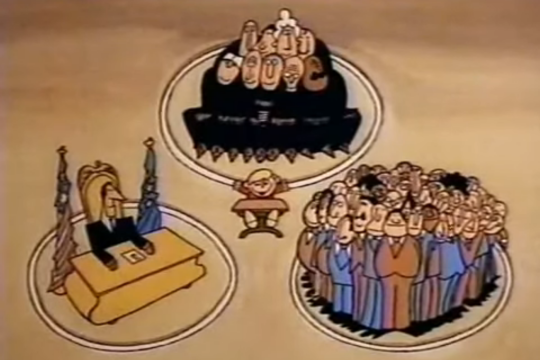
Power, Separated

Stories about the core structure of American governance — in theory and in practice.

Exhibit

Social Safety Net

How Americans through the years have approached the thorny questions of identifying who the government is obliged to help and how such assistance should be funded and distributed.
Exhibit

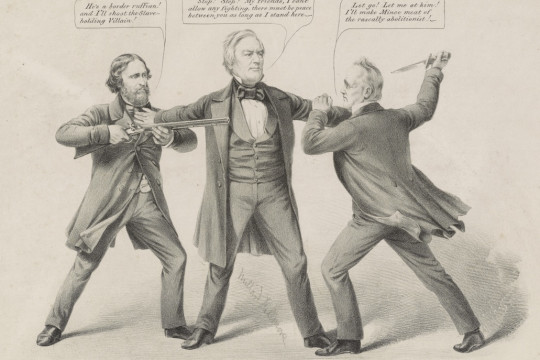
Polarized Lenses

The battle lines taking shape across America's political, media, and cultural spaces seem to be thickening by the day. How can history help us navigate this growing polarization?

Exhibit

Federal Bureaucracy

The federal government is the nation’s biggest employer. To many, its size is a problem in itself. This exhibit asks: how big is too big, and what do we miss when we focus on size alone?

Exhibit

American Corruption

The constant tug of war between those who try to bend government for their own gain and those who try to root out corruption and reform the system.

Jimmy Carter speaking during his presidential campaign in 1976.
Exhibit

Legacies of Jimmy Carter

Historical reappraisals of Carter's legacies in foreign relations, the economy, the environment, and electoral politics.

Exhibit

Trumpism

A presidency often referred to as "unprecedented" has deep roots in American history.

Exhibit

Voting Rights: A Retrospective

Voting, a right not initially enshrined in the Constitution, has been secured, revoked, and contested since the nation's founding era.

Know-Nothing flag
Exhibit

The Many Faces of Nativism

As this exhibit shows, anti-immigrant sentiment has been a throughline of American history.

Exhibit

A Big Tent

Exploring the history of the Democratic Party, from its earliest days through the New Deal, the Long Sixties, and the post-Cold War era.

Exhibit

President Precedents

How Americans understand the powers of the office and the legacies of past leaders.

Voter with mask
Exhibit

Election of 2020

A look back at what historians have had to say about this epic contest over the nation's future.
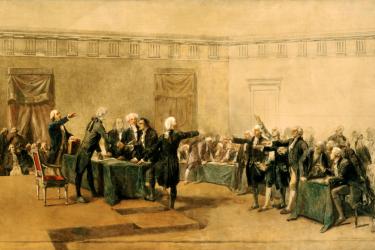
Painting entitled "The Signing of the Declaration of Independence" by Charles Édouard Armand-Dumaresq.

Original Intent of the Declaration

Though the Declaration has become familiar to us, the real meaning behind it is all too obscured.
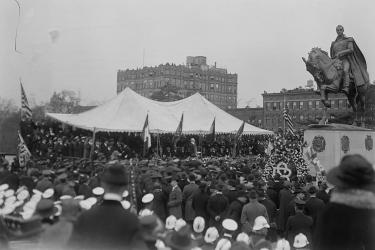
Dedication of the Simon Bolivar statue in Central Park in New York City in 1921.

To Understand ‘America,’ Understand the Americas

U.S. independence is a story of the entire Western Hemisphere.
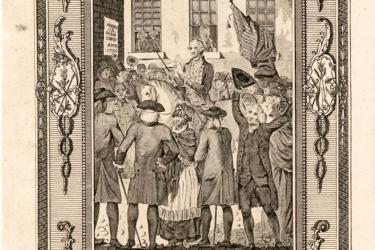
A drawing of the Declaration of Independence being announced to a crowd.

Declarations Before THE Declaration of Independence

Thomas Jefferson's declaration might be the most famous, but it wasn't the first.
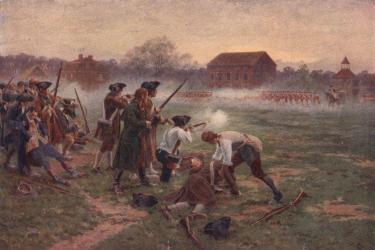
A battle from the Revolutionary War, of a rag-tag Patriot army fighting the British in a line.

The Declaration of Independence and the Rule of Law

The Founders' ideas of where law comes from, and who does and does not have the authority to make it, can guide us today as our grievances parallel theirs.
Photo illustration by Bill Kuchman

Still Radical, Still American

Gordon Wood chronicled America’s rambunctious democratic culture. It’s giving way to a new deference to authority.
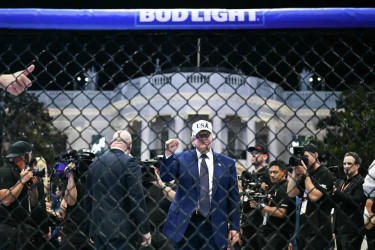
President Donald Trump stands in The Octagon at the conclusion of the "UFC Freedom 250" mixed martial arts event.

The Remarkable Summer That Produced Three Future Presidents — and Modern America

A 66-day stretch in 1946 produced Donald Trump, George W. Bush, Bill Clinton — and the baby boom itself.
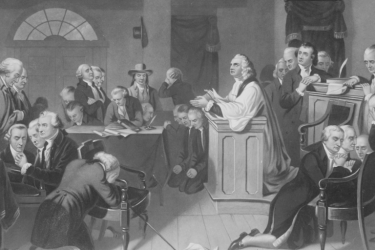
First prayer in Congress.

The Virginia Declaration of Rights at 250

It is a momentous expression of republican principles and true religious liberty.
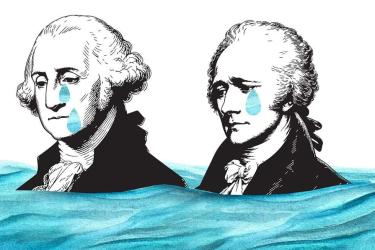
George Washington and Alexander Hamilton, drawn to be crying, and up to their shoulders in water/tears.

Disillusioned Revolutionaries

Many founders died in despair about the American experiment.
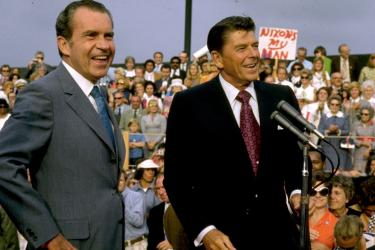
Richard Nixon and Ronald Reagan campaigning in 1972.

How Did the American Right Become Radicalized?

The answer has implications for how we move on. But nothing is straightforward.
President Trump leaves the stage after speaking at the Iowa State Fairgrounds in Des Moines on July 3, 2025.

Inside America’s Ugly Birthday Battle

The Trump administration broke an agreement to fund the bipartisan semiquincentennial celebrations, saying it will not “light taxpayer money on fire.”
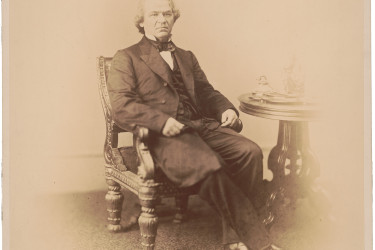
Andrew Johnson

Andrew Johnson

Institutions are only as strong as their occupants.
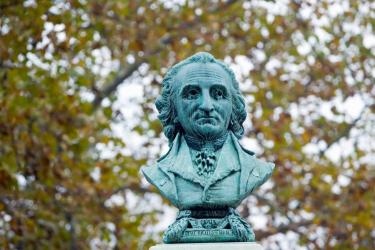
Bust of Thomas Paine

Tom Paine’s Fight

The pamphleteer’s insistence that America live up to its revolutionary vows still rings true 250 years later.
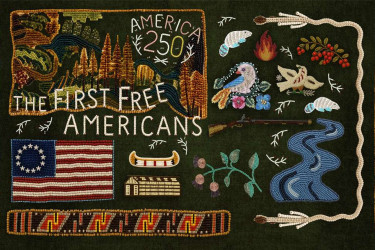
America 250 and the First Free Americans symbols in Native American beading.

Native Americans Taught Colonists How to Fight—And to Live Without Kings

Unlike in Europe, native rulers had little formal authority; they had to persuade others to follow their ideas.
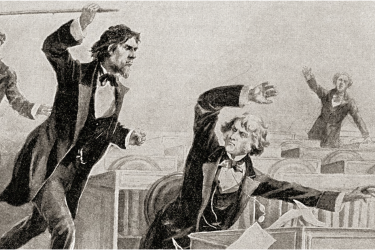
Preston Brooks raises his cane to strike Charles Sumner on the Senate floor.

The Vicious Beating That Reshaped America

Two books about the 1856 caning of a senator show how words can incite violence—and also help defeat it.
Abraham Lincoln

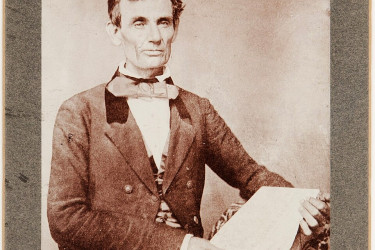
Abraham Lincoln

Individual liberty is served by pursuit of the common good.
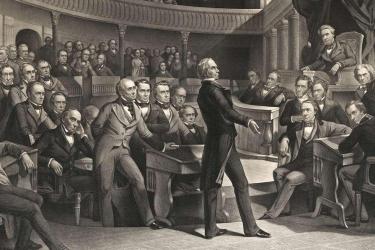
A black-and-white engraving of a crowded 19th-century legislative chamber.

Henry Clay’s Deal That Was No Deal

How the Compromise of 1850 deepened the slavery crisis.
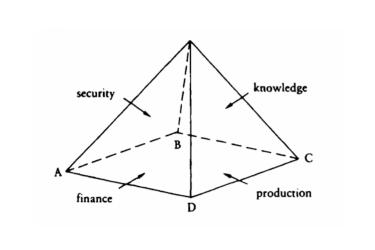
Diagram of structural power, from Susan Strange’s States and Markets, 1988.

Empire Suicide Watch

Examining the anatomy of US power.
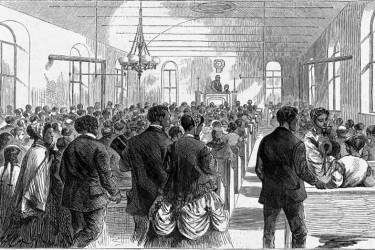
Many African Americans fill into the pews in a large building while a speaker stands at a podium.
partner

Birthright Citizenship Existed Before the Fourteenth Amendment

The idea that citizenship extends to everyone born on U.S. soil has precedents stretching back to the Founding.
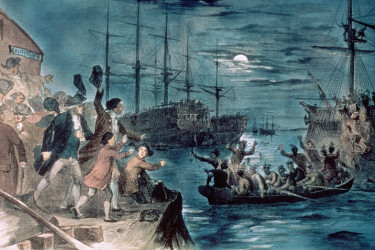
A painting of the Boston Tea Party.

Class Struggle Was a Crucial Part of the American Revolution

The American Revolution was linked to a surge of working-class political activity on both sides of the Atlantic.
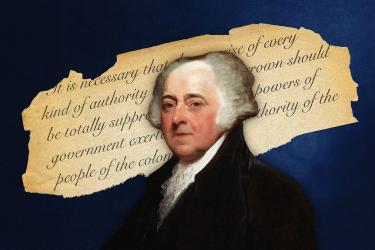
John Adams superimposed over a scrap of parchment with political verbiage on it.

The Preamble Before the Declaration

John Adams’ maneuvering at the Continental Congress brought the independence debate to a head 250 years ago this week.
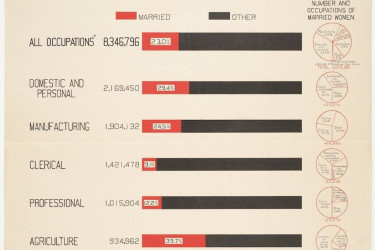
U.S. Women’s Bureau infographic of all married women gainfully employed in 1920.

The Attack on Public Statistics

What the weakening of the U.S. Women’s Bureau means for history, policy, and democracy.
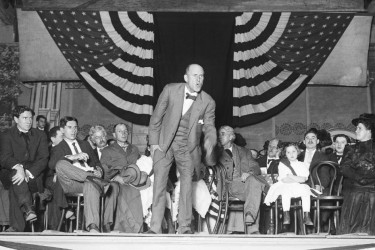
Eugene Debs passionately addresses a crowd from atop a stage, with American flags draped in the background.

What to Eugene Debs Was the Fourth of July?

Few figures on the left have been as committed to realizing the democratic promise of American politics as Eugene Debs.
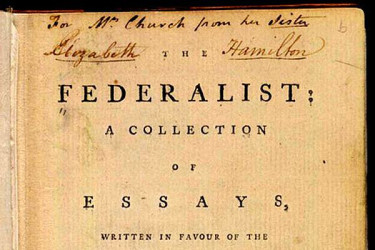
The Federalist Papers title page

Those Goddamn Federalist Papers

It's time to let them go. A critique of "Professional Smart Guy (PSG)" Charles Murray's uncritical reading of Alexander Hamilton.
partner

The Prehistory of the Slave Patrol

As slave rebellions roiled the minds of 18th century Americans, enslavers looked to the state to enact a new type of policing.
Mickey Mouse

Think Happy Thoughts

As he fostered an apolitical public image of avuncular wholesomeness and nostalgia, Walt Disney grew ever vicious in his anti-communism.
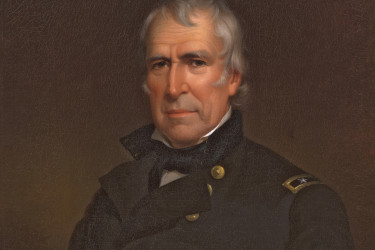
Zachary Taylor

Zachary Taylor

Leaders must choose: public duty or private convictions.
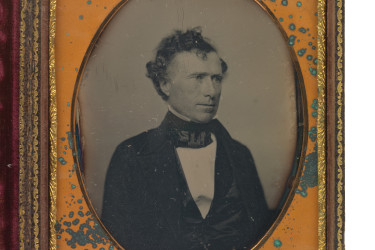
Franklin Pierce

Franklin Pierce

Misreading a nation’s morals can turn catastrophic.
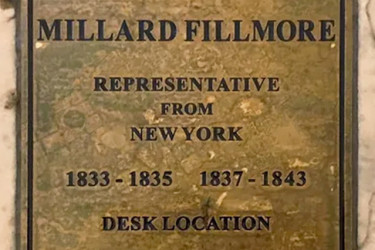
Millard Fillmore Desk Location Tile | National Statuary Hall Collection

Millard Fillmore

Avoiding conflict can precipitate a worse one.
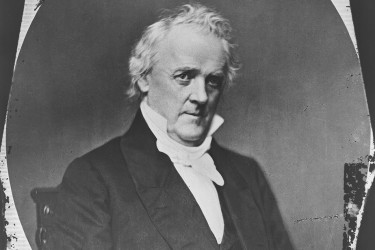
James Buchanan

James Buchanan

Compromise that betrays values alienates all sides.
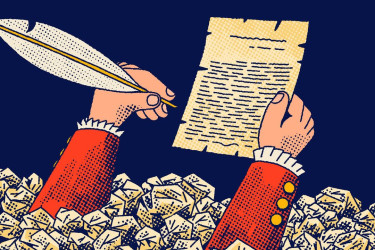
Two cartoon hands emerging from a pile of crumpled up papers, one clutching a quill, the other a document.

Was the Declaration of Independence Better Before the Edits?

Amid contention, criticism, and compromise, a divided nation had to present a unified front. It came at a cost.