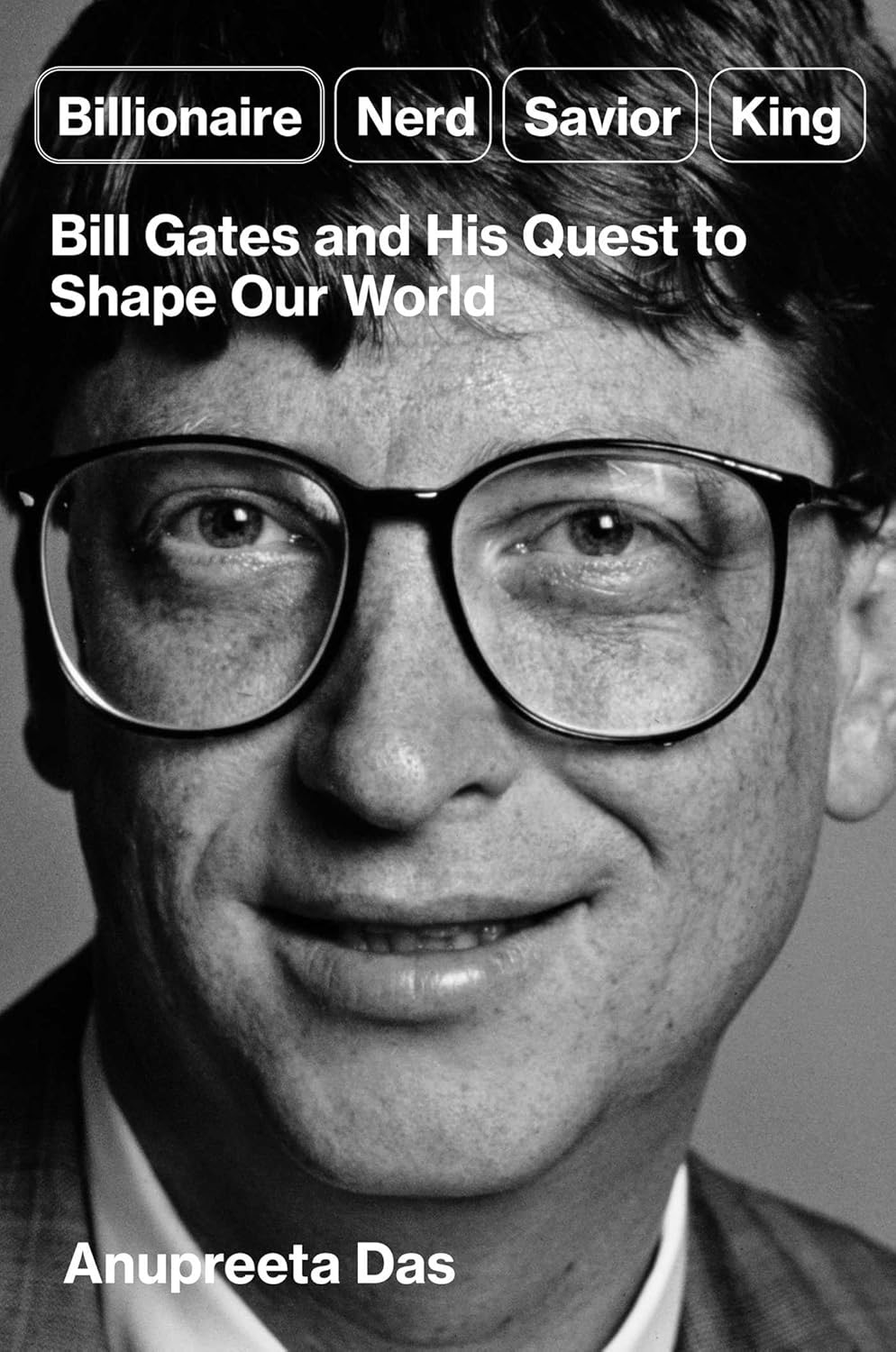
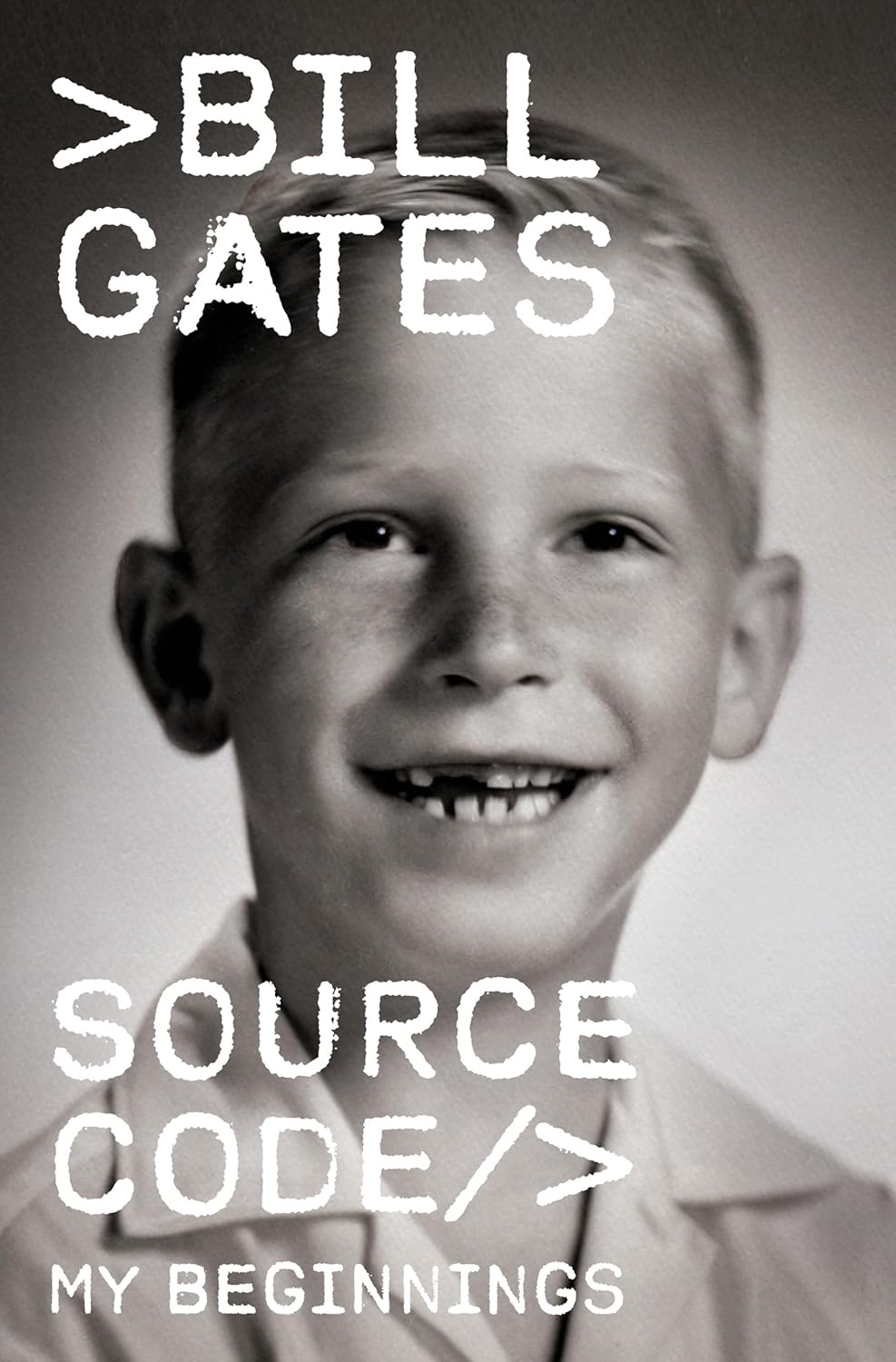
With a new kind of monopoly came a new kind of monopolist. As Das argues, Gates was an “early template” for a species of capitalist overlord that has since become excruciatingly familiar: the nerd-bully, whose oddness and rudeness are the necessary effluent of his genius. Computerization meant that the commanding heights of the economy would come to be occupied by men who had spent their formative years getting stuffed into lockers, and were now determined to exact their revenge.
At Microsoft, Gates was by many accounts a nightmare boss, “prone to expletive-laden fits of rage,” reports Das. A workaholic, he demanded long days from his workers and even, as he later confessed to a BBC interviewer, memorized the license plate numbers of their cars so that he could keep track of their hours. Microsoft could be especially inhospitable to women; the historian Margaret O’Mara tells Das that the firm was so “intensely masculine” that it resembled a “frat house.” Gates himself, Das reports, had a reputation as a womanizer. “A former senior Microsoft employee recalled being told by an office assistant to Gates that he was like ‘a kid in a candy store’ in the company of women, if not restrained,” writes Das. Her book includes multiple stories of Gates hitting on his subordinates; in 2000 he conducted an affair with an employee that led, after she reported it years later, to his departure from the Microsoft board in 2020.
By the 1990s the unpleasant parts of Gates’s personality were becoming more widely known. The press increasingly portrayed him as
arrogant, disdainful, indignant, angry, snide, condescending, petulant, contemptuous, truculent, evasive, hyperaggressive, despotic, bullying, an enfant terrible of the tech industry, and a robber baron.
This public relations crisis culminated with the Justice Department’s antitrust suit against Microsoft, which began in 1998 and continued for years. Gates’s videotaped deposition from the trial remains a masterclass in how not to behave in a deposition: slouched and pouty, he debated the definition of words like “we” and pretended not to understand simple questions. He was so obnoxious that when the Justice Department lawyers played excerpts in court, the judge laughed.
“The more others painted him a villain, the more he thought himself a victim,” Das writes. The same could be said for any number of founders who followed in his footsteps, despite their efforts to distinguish themselves from him. As Silicon Valley took its modern shape in the 1990s, it did so under the shadow of Gates, that mad boomer to the north—since 1979 Microsoft has been headquartered in his home state of Washington—whom the young prospectors of the Internet economy feared and hated. They wanted to build companies that were the opposite of Microsoft, and in doing so they laid the basis of Big Tech. Defying the monopolist Gates, they constructed monopolies of surpassing ambition and ruthlessness. He was the father they rebelled against and, in so rebelling, became.