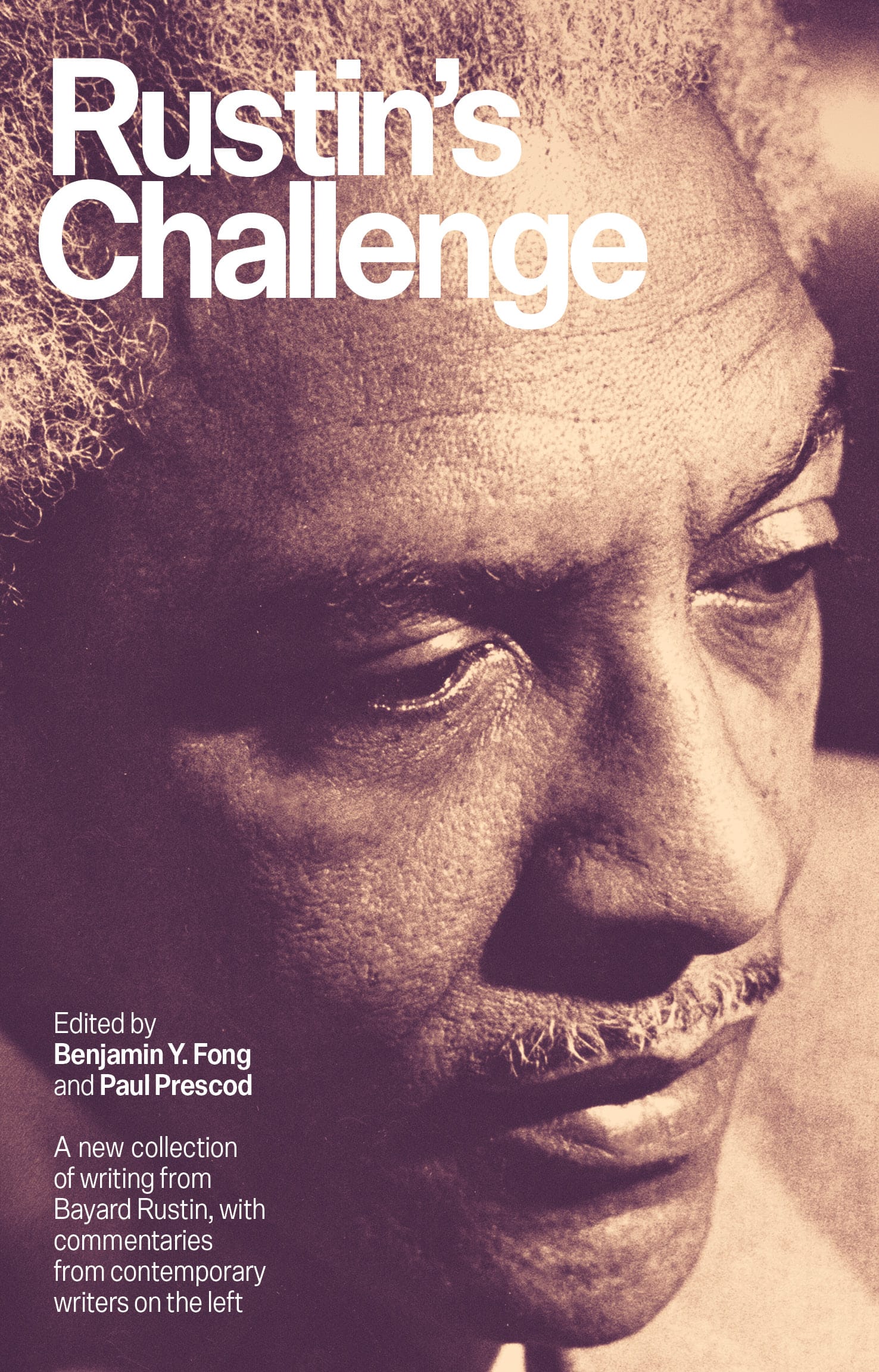
Coming of age in the 1930s Rustin’s political sensibilities were shaped by the organizations and philosophy of what we now call the Old Left. That Left was characterized by a singular focus on the plight of the working masses, the failures of the economic system, and the determination to forge a new social compact. He swam among the reformers and radicals of the 1940s and the civil rights change-makers of the 1950s. He was, therefore, exceptionally well-positioned to see both the virtues of the New Deal, which he fought to advance, and the emerging vices of the New Left.
The new progressives of the ‘60s, he observed, were increasingly quick to “substitute self-expression for politics.” They embraced personal autonomy as the highest good and endorsed a permanent revolution in cultural norms. They were obsessed with the psychological problems of racism and sexism but less excited by questions of how an economy should be run, the way a national budget should be organized, what to do about jobs, and who would pay for which programs and why. We still live in the long shadow of that Left; the shadow of 1968. And this shadow is now so long it’s sometimes hard to see the edges of it, or the light beyond it.
Today progressives still focus the lion’s share of their energy on cultural priorities, demands for tolerance, and radical-sounding slogans—to defund this or abolish that—which have no hope of attracting the kind of durable majorities needed to achieve reform.
Rustin witnessed the emergence of these progressive pathologies firsthand. Just as one can identify the exact moment when a bell is struck but can never quite pinpoint when the ringing stops, the counterproductive tendencies that would shape the Left for the next several decades were perfectly clear to him then. They were new and sharp, representing a break from what had come before. And, he feared, this approach to politics was a step backward that would only contribute to the slowing, or even reversal, of American political progress.
His diagnoses were prescient. In the 1970s, Rustin castigated comfortable professional-class liberals who, armed with a sense of moral superiority, attacked working-class whites as “privileged.” He predicted the rise of the urban riots that bubbled up across the United States in the late ‘60s and ‘70s, noting that those at the bottom of society were trapped in a “cycle of frustration.” He feared that demands to overturn everything, injunctions to violence, and slogans meant to scandalize, no matter how emotionally appealing, would succeed in changing nothing. Today—when protests bloom overnight on social media, demand the world, then recede just as quickly as they materialized—his criticisms are just as apt.