Person

William Clark

Related Excerpts

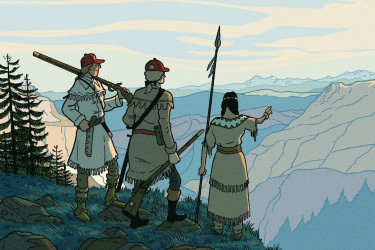
Cartoon of Meriweather Lewis, William Clark, and Sacagawea looking out over a ridge.

Looking Back at Lewis and Clark

The explorers’ crossing of the continent is America’s most famous camping trip. What was it all for?
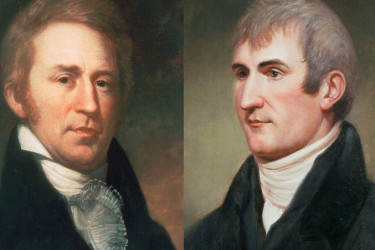
Lewis and Clark side by side portraits.

How Lewis and Clark Invented the Western

Lewis and Clark's influence on a nascent American literature.
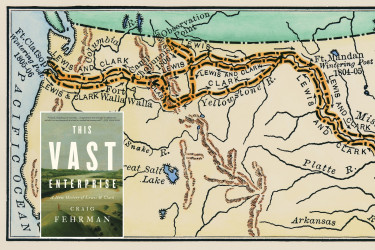
A map of the Lewis and Clark exhibition.

The Hardest Part Of History To Tell Is How It Felt

After a brutal dog attack, a historian rethinks how to write about Lewis and Clark, focusing on lived pain, emotion, and the limits of understanding the past.
A drawing of the Lewis and Clark expedition.
partner

Did Meriwether Lewis Die by Suicide? The Answer Still Matters.

Lacking a sufficient support system, Meriwether Lewis did not have anyone close enough to help him.
Artwork of Sacagawea, surrounded by yellow flowers.

Getting Sacagawea Right

New evidence suggests that Sacagawea had a longer life than most historians have believed — fifty-seven years longer.
Painting depicting the Trail of Tears.

Native Removal Prior to the Indian Removal Act of 1830

To understand westward expansion, the Trail of Tears, the history of Manifest Destiny, and the impacts to Native Americans, one must understand its buildup.

UVA and the History of Race: The George Rogers Clark Statue and Native Americans

Unlike the statues of Lee and Jackson, these Charlottesville monuments had less to do with memory than they did with an imagined past.
Lewis and Clark expedition, with Sacagawea whitened out in the center.

How The West Was Wrong: The Mystery Of Sacagawea

Sacagawea is a symbol for everything from Manifest Destiny to women’s rights to American diversity. Except we don't know much about her.
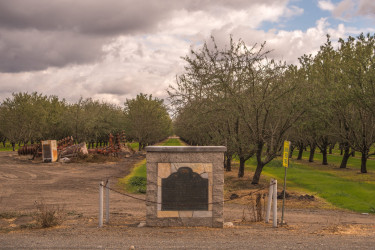
Mussel Slough historical marker.

The Massacre That Made Modern California

Mussel Slough reminds us that the Feds never fight fair and that people can rise up and reform the system.
partner

The Ravages and Operations of the Locusts

When it comes to cicadas, the silence of the historical record can be deafening.
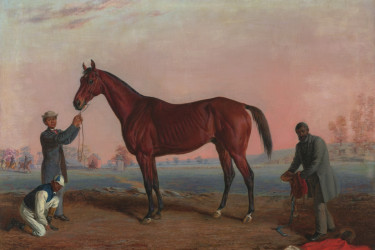
Ansel Williamson, the trainer whose horse won the first Kentucky Derby, is depicted on the right in the 1864 painting “Ansel Williamson, Edward Brown, and the Undefeated Asteroid,” by Edward Troye.

They Were Born into Slavery. Then They Won the First Kentucky Derby.

As the 150th Kentucky Derby kicks off, the achievements of jockey Oliver Lewis and trainer Ansel Williamson at the first Derby have been largely forgotten.
Silhouette of two bison on the plains

The Bison and the Blackfeet

Indigenous nations are spearheading a movement to restore buffalo to the American landscape.
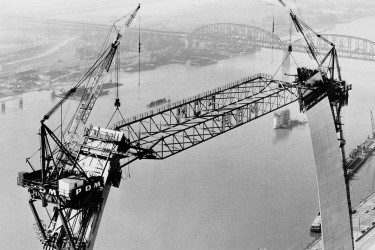
The construction of the famous Gateway Arch in St. Louis, Missouri.

The City That Embodies the United States’ Contradictions

In the history of St. Louis, we find both a radical and reactionary past—and a more hopeful future too.
Mark McGwire baseball card

Neoliberalism with a Stick of Gum: The Meaning of the 1980s Baseball Card Boom

Before beanie babies and Pogs, small rectangles of cardboard were the errant investments of a stratifying American society.
Oglala Lakota Chief Red Cloud in a formal portrait arranged by William Blackmore, whose hand is visible at right

The Power Brokers

A recent history centers the Lakota and the vast territory they controlled in the story of the formation of the United States.
Salmon fisheries at Celilo Falls.

Ken Kesey Meets Lewis and Clark

Celilo Falls was the economic and spiritual center of the Indian world in the Pacific Northwest.