Person

Thomas Paine

Related Excerpts

The Revolutionary Roots of America’s Religious Nationalism

America's sense of religious nationalism was forged in the same fires that ignited the profoundly secular French Revolution.

At Its Core, the Declaration of Independence Was a Plea for Help From Britain’s Enemies

The intended audience for the document could be found in the royal houses of France and Spain.
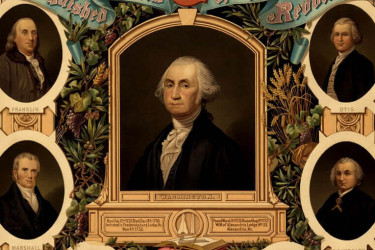
Portrait of George Washington, surrounded by portraits of other important founders.

The Real Authors of the Founding

Americans must live up to “the words that made us.”
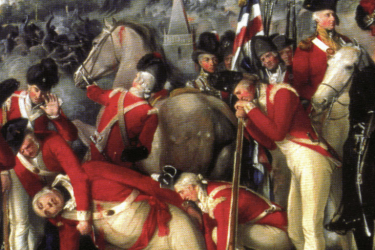
Section of the painting "Battle of Ballynahinch" (1798) by Thomas Robinson.

Green Flags and Red Coats

The American war reshaped Ireland’s place in the empire, sparking a radical push for independence that instead ended in union with Britain.
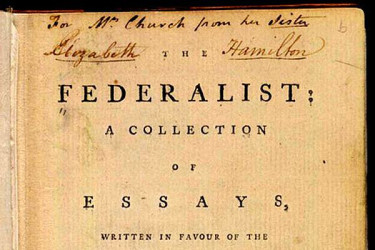
The Federalist Papers title page

Those Goddamn Federalist Papers

It's time to let them go. A critique of "Professional Smart Guy (PSG)" Charles Murray's uncritical reading of Alexander Hamilton.
Ken Burns stands at a podium, one hand holding a microphone, the other gesturing as he presents.

Ken Burns Makes the Case for the Greatness of 1776

Ken Burns talks about his new documentary, The American Revolution; the ongoing project of 1776; and why the war was more than a revolt of wealthy slaveholders.
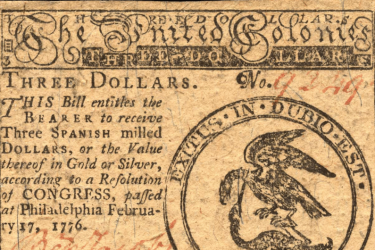
Paper Continental Currency from 1776.

The Monetary Origins of the American Revolution

The economic roots of the American Founding deserve to be understood on their own terms.
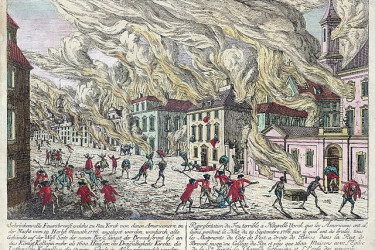
Print featuring buildings burning, foregrounded by men working to extinguish the flames.

The Problem of Violence in "The American Revolution"

The third installment of Ken Burns's series focuses on the war's carnage, but leaves viewers confused about the role it played in the nation's founding.
Painting of Continental Army soldiers at "The Battle of Long Island" by Domenick D'Andrea.

Teenagers at War: On Fighting the British in New York, 1776

Chronicling the experience of a teenage soldier during the Revolutionary War.
Ken Burns

No, Ken Burns, the United States Is Not an Iroquois Nation

The Founders didn’t model us on the Six Nations, and George Washington didn’t tomahawk a Frenchman.
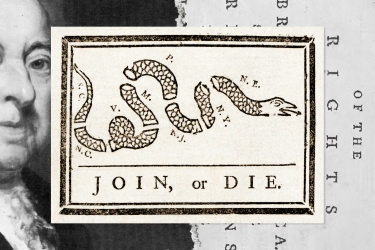
John Adams, Jefferson's pamphlet on the Rights of British America, and Franklin's "Join or Die" cartoon.

What Actually Changed in 1776

The most consequential shift that year was not one of battle lines but of ideology.
Battlefield illustration by Keith Negley

What Was the American Revolution For?

Amid plans to mark the nation’s semiquincentennial, many are asking whether or not the people really do rule, and whether the law is still king.
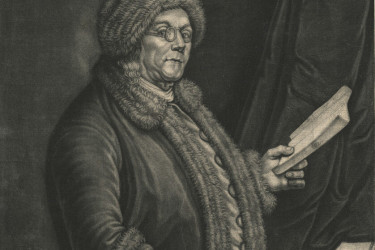
Portrait of Benjamin Franklin (1777) holding a book.

A Republic, If We Can Afford It

The framers of the United States Constitution envisoned economic discipline that they thought was a requirement for a republic to endure.
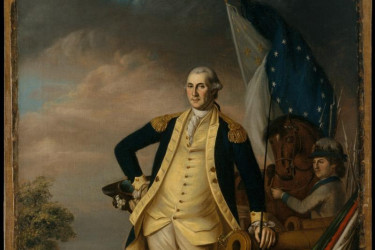
George Washington portrait in which he rests his hand on his hip.

A Great Reputation Among Men: Race and Contested Masculinities in the Early American Republic

A Quaker abolitionist hoped to convince the Virginian Founders to end slavery by appealing to their sense of manhood. They were not persuaded.
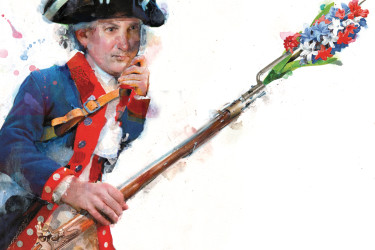
Illustration of John Dickinson with flowers in the barrel of his musket.

The Prudent Patriot

There’s a lot more to Founding Father John Dickinson than not signing the Declaration of Independence.
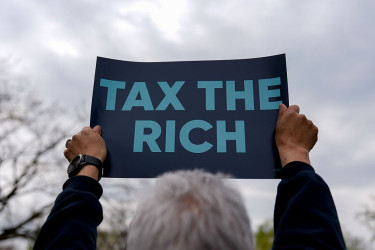
A protestor holds up a sign which reads "tax the rich."
partner

The Founders Knew Great Wealth Inequality Could Destroy Us

At the founding of America, leaders predicted that a concentration of wealth would weaken the republic.
Photograph of Trump dressed as a king with frowning founding fathers behind him

Of Course the Founding Fathers Would Have Hated Trump

They rejected kings and were sincerely concerned about the possibility of a dictatorship. But we need to move past founder-worship and focus on justice.
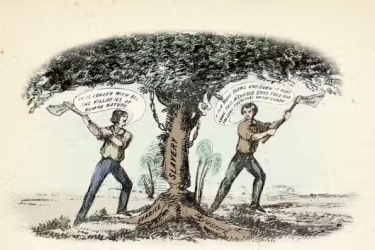
Political cartoon of men chopping down the tree of slavery.

The Root and The Branch: Working-Class Reform and Antislavery, 1790–1860

On the robust influence of labor reform and antislavery ideas and movements on each other from the early National period to the Civil War.
Collage of protesters holding up signs against war taxes.

Could Tax Protests Defund the American War Machine?

Tax resistance has long opposed war and empire in North America, and could be a way to resist U.S. funding of violence in Gaza today.
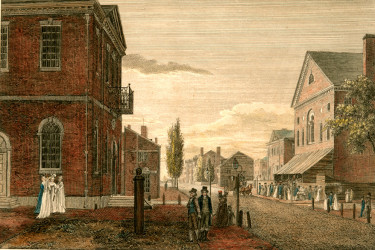
A painting of Congress Hall and the New Theater in colonial Philadelphia.

The Mutiny of 1783

America’s only successful insurrection.