Menu
Excerpts
Exhibits
Collections
Originals
Podcasts
Categories
Map
Search
Person
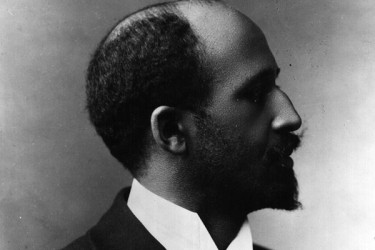
W.E.B. Du Bois
View on Map
Related Excerpts
Load More
Viewing 161–180 of 323
Struggle and Progress
On the abolitionists, Reconstruction, and winning “freedom” from the Right.
by
Eric Foner
via
Jacobin
This publication restricts nonsubscriber access to some or all of its articles.
on
August 17, 2015
Remembering President Wilson's Purge of Black Federal Workers
Woodrow Wilson arrived at the White House determined to eliminate the gains African-Americans made during Reconstruction.
by
Josh Marshall
via
Talking Points Memo
on
June 26, 2015
There's No National Site Devoted to Reconstruction—Yet
The National Parks Service, which preserves many Civil War sites, is finally looking for a way to mark the struggles that defined its legacy.
by
Gregory P. Downs
,
Kate Masur
via
The Atlantic
This publication restricts nonsubscriber access to some or all of its articles.
on
April 29, 2015
The Unlikely Paths of Grant and Lee
The two men met at Appomattox. The loser would become a role model, the victor an embarrassment.
by
Jamelle Bouie
via
Slate
This publication restricts nonsubscriber access to some or all of its articles.
on
April 9, 2015
“A Public Menace”
How the fight to ban "The Birth of a Nation" shaped the nascent civil rights movement.
by
Dorian Lynskey
via
Slate
This publication restricts nonsubscriber access to some or all of its articles.
on
March 31, 2015
The Problem of Slavery
David Brion Davis’s philosophical history.
by
Scott Spillman
via
The Point
This publication restricts nonsubscriber access to some or all of its articles.
on
July 23, 2014
The Massive Liberal Failure on Race, Part III
The Civil Rights movement ignored one very important, very difficult question. It’s time to answer it.
by
Tanner Colby
via
Slate
This publication restricts nonsubscriber access to some or all of its articles.
on
February 27, 2014
Unforgettable
W.E.B. Du Bois on the beauty of sorrow songs.
via
Lapham’s Quarterly
on
January 1, 1903
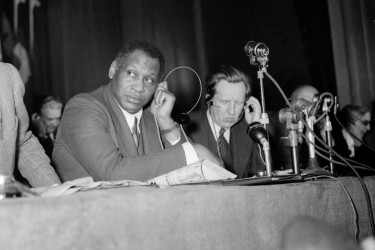
Paul Robeson Defended Jewish Anti-Fascists From Stalinism
At a time of rising Stalinist antisemitism, Paul Robeson’s act of solidarity made clear his stand against any form of racism.
by
Alexey Markin
,
Maria Markina
,
Inge Mandos
,
Leonid Kharlamov
,
Ziad Nehme
,
Kirill Medvedev
via
Jacobin
This publication restricts nonsubscriber access to some or all of its articles.
on
May 20, 2026
New Declarations
By invoking the American Revolution, 20th-century anticolonial figures connected their project with the movement for civil rights in the United States.
by
Adom Getachew
via
Dissent
on
May 18, 2026
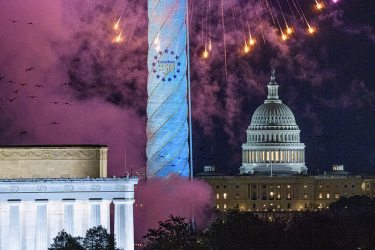
America’s 250th Is Repeating a Familiar Mistake
The question of how to reckon with America's past of slavery during the celebrations, such as the U.S. semiquincentennial, has a history of controversy.
by
John Garrison Marks
via
TIME
on
April 7, 2026
How Christianity Was Used By the Powerful and the Marginalized to Shape Post-Civil War America
On the role of religion in Reconstruction.
by
Matthew Avery Sutton
via
Literary Hub
on
March 4, 2026
The Trump Administration Can’t Kill Black History Month
We don’t need permission from the government to commemorate a complex past.
by
Clint Smith
via
The Atlantic
This publication restricts nonsubscriber access to some or all of its articles.
on
February 25, 2026
The Black Anti-Fascist Tradition Recognized Fascism Didn’t Begin in Europe
Black anti-fascists have long warned about creeping fascism, from slavery to mass incarceration to ICE terror.
by
George Yancy
,
Jeanelle K. Hope
via
Truthout
on
February 21, 2026
Philanthropy for Radicals
The Garland Fund was not a typical foundation, but its history shows the potential role philanthropy can play in moments of rising authoritarianism.
by
Claire Dunning
via
Dissent
on
February 12, 2026
Another Country: Visions of America
The rise of a violent authoritarian state under Trump unveils a deep uncertainty over what America is.
by
Adam Shatz
via
London Review of Books
This publication restricts nonsubscriber access to some or all of its articles.
on
January 26, 2026
We’ve Never Agreed About George Washington and Slavery
America continues to grapple with the legacy of one of its favorite Founders.
by
John Garrison Marks
via
TIME
on
January 23, 2026
Albert Einstein’s Brilliant Politics
The physicist fought for the promise of a diverse, meritocratic America. We need his optimism today.
by
Joshua Bennett
via
The Atlantic
This publication restricts nonsubscriber access to some or all of its articles.
on
January 2, 2026
When the Sewer Socialists Struggled for Racial Equality
A close examination of the writings of Wisconsin's Victor Berger shows that his views on race changed dramatically over time.
by
Eric Blanc
via
Jacobin
This publication restricts nonsubscriber access to some or all of its articles.
on
December 29, 2025
Renaissance Man
Doctor, writer, musician, and orator: Rudolph Fisher was a scientist and an artist whose métier was Harlem.
by
Harriet Washington
via
The American Scholar
on
December 1, 2025
Previous
Page
9
of 17
Next