A Country Between

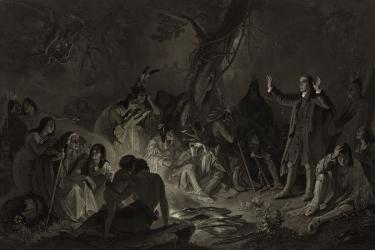
In 1782, American revolutionaries massacred 96 indigenous Moravian Christians. The victims had attempted to avoid taking sides in the war.
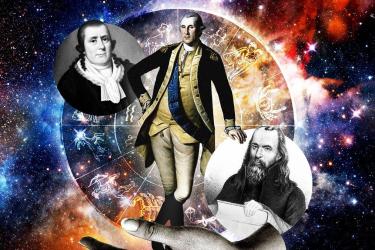
Photo illustration of George Washington and mystics in horoscope and galaxy background.

The American Revolution Was So Much Weirder Than You Think

Alongside the Enlightenment reason we associate with the founding there were mystics, occultists, and conspiracy theorists.
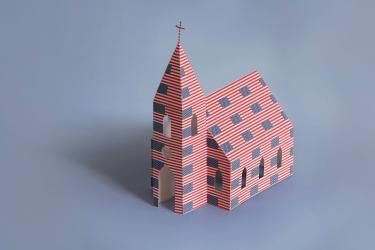
A folded paper church with American flags printed all over it.

How Did American Christianity End Up Like This?

History helps explain the particular faith that now rules our religious marketplace.
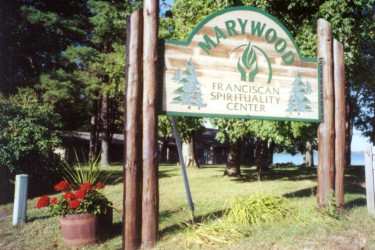
A rustic sign advertises Marywood Spirituality Center. Trees, flowers, and a view of the lake lie in the background.

The Way You Let Go

After a startling discovery about the historic conditions of its American Indian Boarding School, one Catholic Sisterhood moved to make reparations.
Mordecai Kaplan

Preacher Man

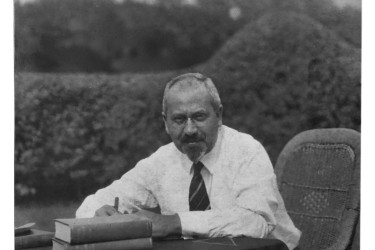
Mordecai Kaplan, founder of Reconstructionist Judaism, took his sermons very, very seriously.
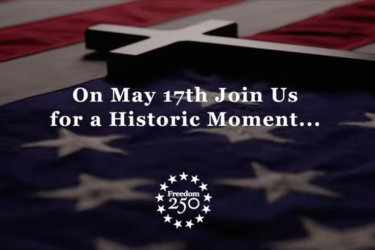
A cross over the American Flag.

Rededicate* 250

Trump’s “Rededicate 250” event reframes America as a Christian nation, despite the Constitution’s secular roots and “under God” being a 1950s addition.
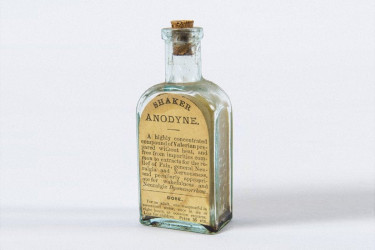
A bottle of patent medicine.
partner

A Trusted Name in a Dubious Drug Market

Amid the fraud and flimflam of early drug markets, Shakers stood for purity, creating a brand others were eager to exploit.
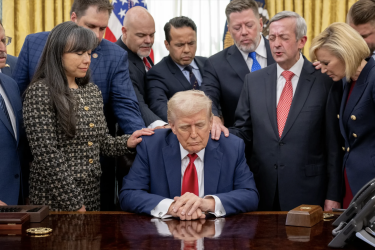
White people close their eyes in prayer while laying hands on Donald Trump at his desk in the Oval Office.

White America’s Republican Drift

White Christians didn't get replaced—they changed their minds.
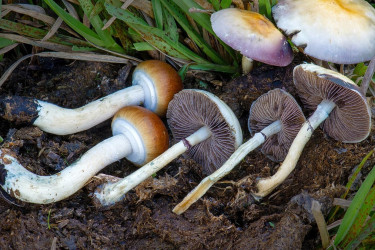
Psilocybe cubensis mushrooms

A Short, Strange Trip

Psychedelics and religious revival.
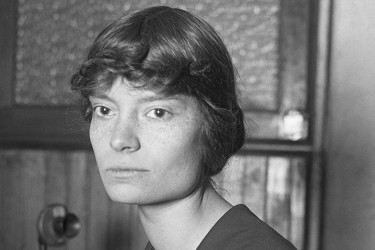
Dorothy Day

Dorothy Day’s Complicated Cause for Sainthood

Dorothy Day’s path to sainthood is marked by tension between her heroic service and her rejection of violence.
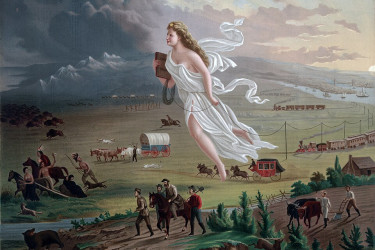
The John Gast painting “American Progress” depicting an angel over westward migration.

The Settler Colonial Roots of American Religion

Religion in the U.S. the was formed through the violent structures of settler rule, Indigenous displacement, and the remaking of sovereignty, land, and belief.
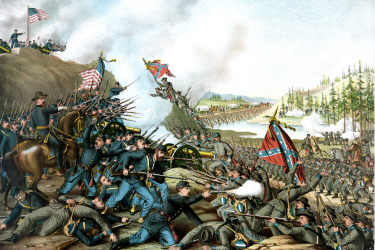
Painting of a battle during the American Civil War.

A Plague on Both Your Houses

Exodus and the American Civil War.
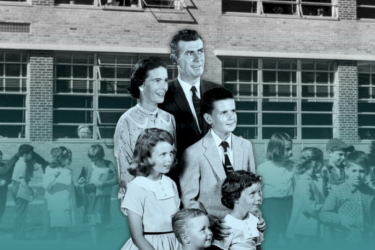
A photo of a mid-twentieth century family superimposed over a schoolyard full of children.

Mass at the Drive-In Theater

With the fluctuating popularity of suburbia in the latter half of the 20th-Century, the Catholic Church had to constantly adapt.
The Way of Improvement Leads Home
Podcast
The Way of Improvement Leads Home

Suburbanization of American Catholicism

How did the suburbs shape American Catholicism? Stephen M. Koeth, argues that postwar suburbanization revolutionized the Catholic parish, the relationship between clergy and laity, conceptions of parochial education, and Catholic participation in US politics, and thereby was a significant factor in the religious disaffiliation that only accelerated in subsequent decades.
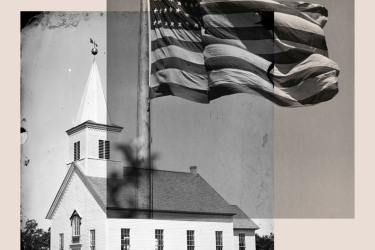
An American flag waving overtop a small rural church building.

Americans Should Stop Using the Term Christian Nationalism

Religious beliefs have driven political change for centuries. The question today is which Christian values will prevail.
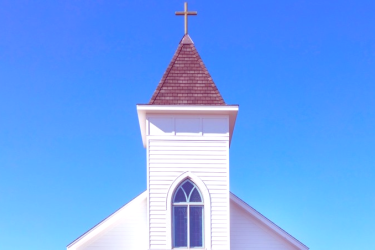
Church steeple.

How Christianity Was Used By the Powerful and the Marginalized to Shape Post-Civil War America

On the role of religion in Reconstruction.
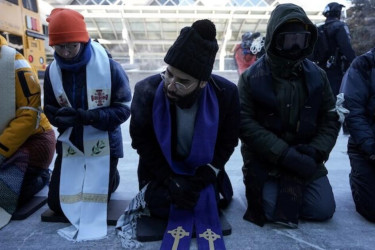
Clergy members kneel as they take part in the general strike in Minneapolis to protest ICE.

Christian Abolitionists Have Always Disobeyed Laws

Have you heard the story about a Christian abolitionist “de-arresting” someone?
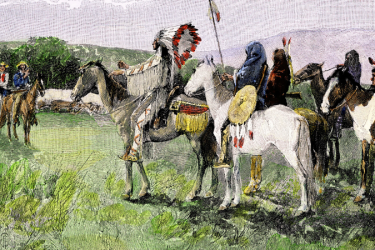
Illustration of Plains Indians meeting a wagon train.

The European Myth of Indigenous “Savages”

On race and religion in the colonization of Native Americans.
Vintage photo of Solomon Schechter

If Slavery is Not Wrong, Nothing is Wrong

A petition accusing Palestinians’ advocates of committing a “blood libel” occasions a reflection on Solomon Schecter‘s 1909 speech about Abraham Lincoln.
Dr. Washington Gladden.

Why the Lower Criticism of the Bible Matters

The subversive insights that a 19th-century Social Gospel crusader came to through efforts to reconstruct the earliest version of the sacred text.
Ludwig von Mises.

Champions of Apathy

The first neoliberals distrusted Christianity. Their heirs have tried to revise it.
Pro-choice rally outside the Supreme Court.

The Theology of Roe

Far from the bastion of secularism many people today assume it to be, the landmark abortion ruling enacted the values of liberal mainline Protestantism.
Larry Norman

How the First Ever Christian Rock Album Led to the “Jesus Movement”

Exploring the intersection of family history with the rise of the religious right.
Po'pay’s statue in the U.S. Capitol.

The 17th-Century Pueblo Leader Who Fought for Independence from Colonial Rule

Po'pay, a Tewa religious leader, led the Pueblo Revolt, the most successful Indigenous rebellion in what’s now the United States.
Shakers dancing during worship.

Once Seen as a Threat to Society, Shakers Are Now Part of the Sound of America

A new film depicts part of the long history of Shaker worship.
The "Lead Me, Guide Me" hymnal sitting on a map of Colorado.

Why a Denver Priest was Wrong to Treat Black Catholic Hymnals Like Garbage

On the racist errors that caused a significantly Black parish in Colorado to lose a hallmark of African-American liturgy.
American Flag in front of a church steeple.

Religious Freedom and the Founding

Religious liberty owes much to Jefferson and Madison, but the "impregnable wall" doesn't do justice to the founders vision.
A Catholic church.

Crabgrass Catholicism

A discussion with Father Stephen M. Koeth about religion and suburbanization.
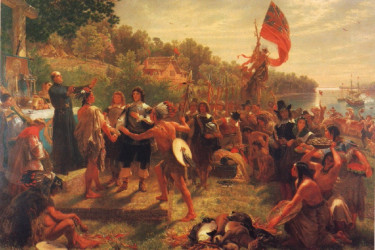
The Founding of Maryland by Emmanuel Leutze (1634).

Bejesuited: America’s First Catholics

A history of Catholic immigration and activity in colonial North America.
The First Thanksgiving, 1621, by Jean Leon Gerome Ferris (1863–1930). (Universal History Archive / Universal Images Group via Getty Images)

The Pilgrims Were Doomsday Cultists

The settlers who arrived in Plymouth were not escaping religious persecution. They left on the Mayflower to establish a theocracy in the Americas.