Menu
Excerpts
Exhibits
Collections
Originals
Podcasts
Categories
Map
Search
Category
Power
On persuasion, coercion, and the state.
Load More
Viewing 61–90 of 2,392
The Matrilineal Democracy That Shaped America
As the United States marks 250 years, an older Indigenous system of women-led governance offers a radically different blueprint for power and responsibility.
by
Michelle Schenandoah
via
Ms. Magazine
on
March 5, 2026
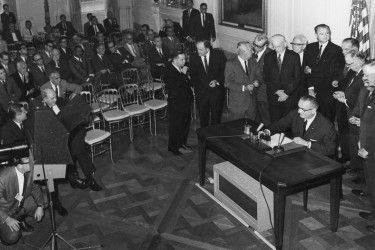
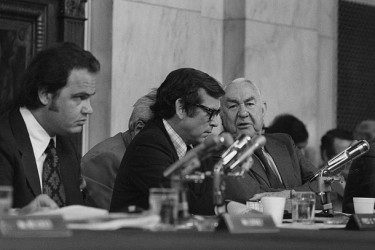
Congress Once Fought to Limit a President’s War Powers
At the end of the Vietnam War, Congress engaged in a breathtaking act of legislative assertion, affirming lawmakers’ power to declare war – not the president.
by
Sarah Burns
via
The Conversation
on
March 4, 2026
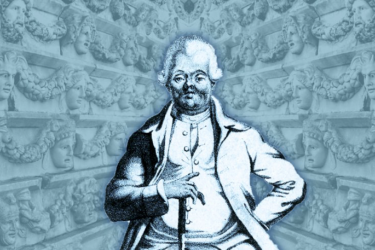
The Chronicler of Decline
Is it too late for our republic to learn from Gibbon’s epic history of Rome’s collapse?
by
Ed Simon
via
The Hedgehog Review
on
March 4, 2026
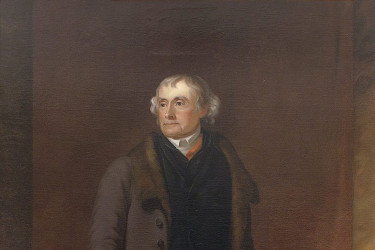
Thomas Jefferson
Thomas Jefferson endured deep personal loss and political strife, yet held faith in future generations to fulfill America’s ideals despite his flaws.
by
Andrew M. Davenport
via
In Pursuit
on
March 3, 2026
Do U.S. Presidents Have the Power to Declare War?
On paper, declaring war is reserved for Congress. The Tonkin Gulf Resolution turned a constitutional requirement into a legislative habit of looking away.
by
Jill Lepore
via
The New Yorker
This publication restricts nonsubscriber access to some or all of its articles.
on
March 3, 2026
When Some Americans First Lost Their Constitution
Parliament's 1774 revocation of Massachusetts's charter and the representative government it enshrined was the last straw for many colonists in Worcester.
by
Ray Raphael
via
Journal of the American Revolution
on
March 3, 2026
How the Supreme Court Enabled Trump's Unilateral War on Iran
For almost a century, the U.S. Supreme Court has been incredibly solicitous of executive power in foreign affairs.
by
Steve Kennedy
via
Liberal Currents
on
March 2, 2026
The War on Terror Paved the Way for Trump’s Rise—Now He’s Making It His Own
Only the total abolition of the DHS can restore freedom.
by
Spencer Ackerman
via
The Nation
This publication restricts nonsubscriber access to some or all of its articles.
on
March 2, 2026
An American Reckoning
What lessons can we take from Robert McNamara’s failure to reckon with the exceptionalism that led the United States into the Vietnam War?
by
Ben Rhodes
via
New York Review of Books
This publication restricts nonsubscriber access to some or all of its articles.
on
February 26, 2026
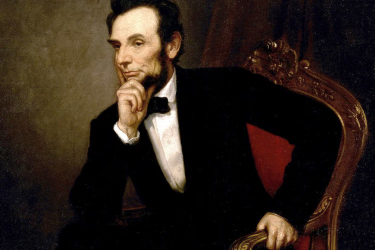
‘A Partisan and Politician’: Abraham Lincoln and the Art of the Deal
A new book takes a fresh look at a well-studied political figure, showing him to be a master of party politics.
by
Martin Pengelly
via
The Guardian
on
February 25, 2026
Burnham and Grant: American Jeremiahs
They prophesied the downfall of modern liberalism.
by
Geoff Russ
via
Modern Age
This publication restricts nonsubscriber access to some or all of its articles.
on
February 24, 2026
John Adams
Great leaders succeed by choosing who else leads.
by
Danielle Allen
via
In Pursuit
on
February 23, 2026
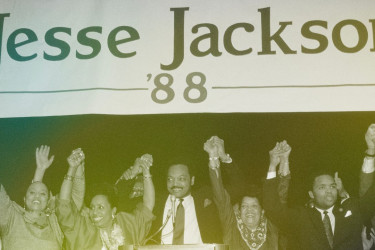
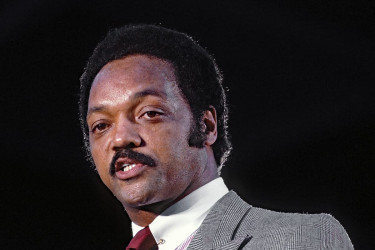
Jesse Jackson’s Timeless Economic Platform
He ran for President twice on the concerns that still define American political life—inequality, affordability, and vanishing jobs.
by
John Cassidy
via
The New Yorker
This publication restricts nonsubscriber access to some or all of its articles.
on
February 23, 2026
The Republican Party Has a Nazi Problem
How did the GOP become a haven for slogans and ideas straight out of the Third Reich?
by
Tom Nichols
via
The Atlantic
This publication restricts nonsubscriber access to some or all of its articles.
on
February 23, 2026
From Hell – Trump’s Modified Limited Hangout on Epstein Is Leaving America Hanging
From Jack the Ripper to Nixon and Watergate to Trump and Epstein, coverups have frequently roiled political history.
by
R. C. Baker
via
Village Voice
on
February 20, 2026
The Founding Ideology of American Empire
A conversation about the afterlives of Cold War liberalism, which justified illiberal acts in the name of defending liberalism.
by
Daniel Bessner
,
Erik Baker
via
The Drift
This publication restricts nonsubscriber access to some or all of its articles.
on
February 19, 2026
The Constitution, Originalism, and the Ten Commandments
New laws mandating Ten Commandments displays may be upheld via originalism, despite the Constitution’s historically secular foundations.
by
Ken MacVey
via
3 Quarks Daily
on
February 19, 2026
Jesse Jackson’s American Century
Born in the Jim Crow south, he dedicated his long career to fighting for economic justice for all.
by
Antonio de Loera-Brust
via
Compact
on
February 18, 2026
The Founders Would Have Opposed ‘Nationalizing’ Elections
The writers of the Constitution sought an approach that balanced control between the states and the federal government.
by
Jeffrey Rosen
via
The Atlantic
This publication restricts nonsubscriber access to some or all of its articles.
on
February 16, 2026
Fusion Voting, Fusion Parties
Escaping the two-party doom loop.
by
Dan Cantor
via
Democracy Journal
on
February 16, 2026
Authoritarianism from Below
To some cops and their unions, the federal invasions of American cities are a chance to undercut the already fraying democratic constraints on police power.
by
Stuart Schrader
via
New York Review of Books
This publication restricts nonsubscriber access to some or all of its articles.
on
February 14, 2026
The Age of Revenge
Once upon a brief time, there was consensus around social progress. But the backlash began almost immediately—and has been with us ever since.
by
Ellen Fitzpatrick
via
Democracy Journal
on
February 13, 2026
Passage To A Better World
The meaning of “revolution” has shifted between feared upheaval and hopeful progress, and its promises often bring violence and mixed results.
by
Richard Bourke
via
Literary Review
on
February 12, 2026
After the Earthquakes
The fundamental problem of the present is complicity.
via
Equator
on
February 11, 2026
Against Grievance Politics
Conservatism faces a populist shift, but traditional Ronald Reagan-era ideas of growth, limited government, and originalism remain the preferred path.
by
Richard M. Reinsch II
via
Commentary
on
February 11, 2026
In Response to the ICE Killings, Another Bad Use of Our Founding History
An examination of Alex Pretti’s killing by ICE to challenge the idea that the Second Amendment safeguards liberty and deters government tyranny.
by
William Hogeland
via
Hogeland's Bad History
on
February 10, 2026
Lincoln As You’ve Never Known Him
Matthew Pinsker reveals how the 16th president carefully built a partisan base essential to his rise.
by
Caroline E. Janney
via
Washington Post
This publication restricts nonsubscriber access to some or all of its articles.
on
February 7, 2026
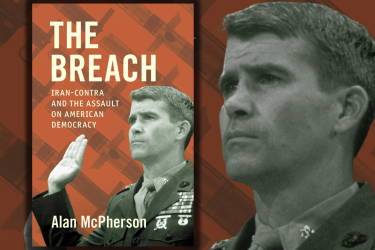
Iran-Contra and the Assault on American Democracy
The Iran-Contra affair was a turning point in U.S. history, one that normalized the erosion of key democratic principles and helped birth our current disorder.
by
Mateo Jarquín
via
NACLA
on
February 6, 2026
Historical Perspective on the Unitary Executive
Article II of the Constitution offered significant concessions to those who preferred a more plural executive.
by
George W. Liebmann
via
Law & Liberty
on
February 5, 2026
Podcast
American Prestige
The End of the Postwar Consensus
How the civil rights movement and economic inequality reshaped party coalitions and contributed to the decline of institutional legitimacy.
February 3, 2026
Previous
Page
3
of 80
Next