The Scandal and the Scale

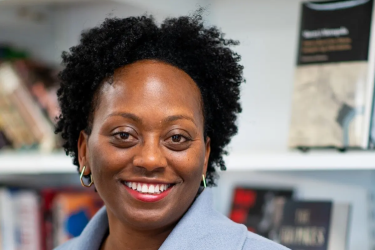
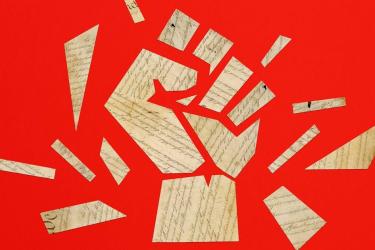
Is there more to the story that the New York Times is reporting about the scholarship of historian Kerri Greenidge? Something doesn't add up.

How Historians Took Over Liberal Punditry

The hottest resistance talking aheads during Trump 2.0 are academics. What happened?
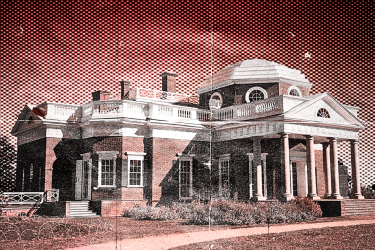
Monticello.

What Broke Monticello

How a right-wing smear campaign tried to silence the reality of Thomas Jefferson’s life, and in some ways succeeded.
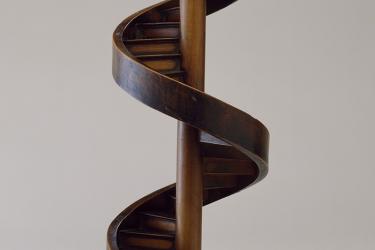
Model for spiral staircase, 19th century
partner

Declaring “Revolution”

Even after the fighting started, it took years before American Patriots started calling their cause a “revolution.”
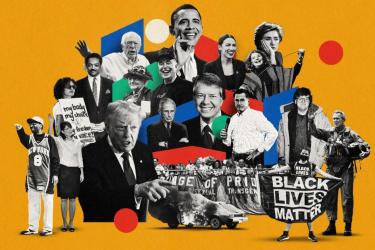
Collage of significant political figures representative of the past 50 years.

Exploding Cars, Office Monkeys, Watergate: The Origins of Mother Jones

Fifty years of journalism by and for “the rest of us.”
A video camera on a tripod recording a man sitting in a chair.

Our Amish Language

As my community modernized, we used Pennsylvania Dutch less and less. Now I'm trying to preserve it.
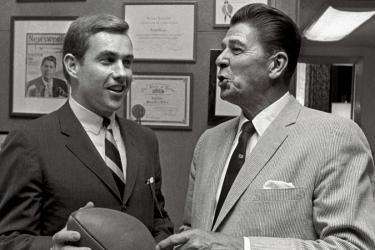
Jack Kemp and Ronald Reagan

Changing Political Paradigms in American Sport

Debunking the mythology around Jack Kemp's famous words about soccer: “Football is democratic, capitalism, whereas soccer is a European socialist—”
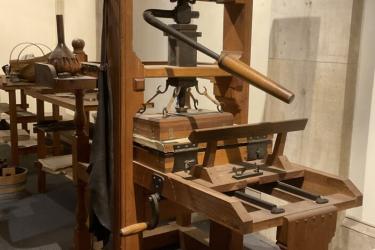
John Peter Zenger printing press, Federal Hall National Memorial, New York, NY.

Founding Gift: John Peter Zenger and the Declaration Of Independence

How a printer's risky defiance of a colonial governor, and his attorney's creative defense, laid the foundation for the US's commitment to freedom of the press.
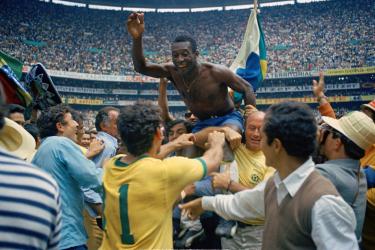
Brazil's Pele, celebrating winning the 1970 World Cup

How Mexican Television Spread Soccer Across the U.S.

As the World Cup evolved into a multibillion-dollar spectacle, a bilingual culture emerged, onscreen and off.
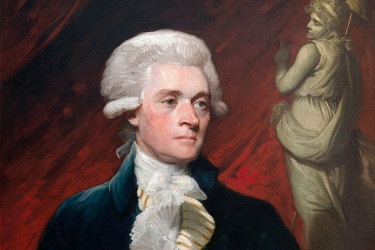
Painting of Thomas Jefferson

The Greatest of Ghostwriters

Thomas Jefferson began writing the Declaration of Independence 250 years ago this week, and his finest feat was to so perfectly inhabit our collective voice.
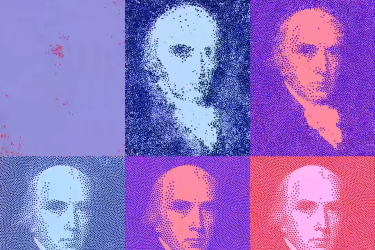
Repeated blocks of James Madison's presidential portrait, fading to become unrecognizable.

American Democracy Wasn’t Designed for This

Can our 18th-century institutions survive 21st-century technology?
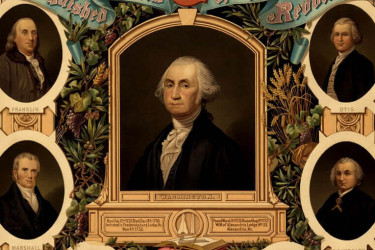
Portrait of George Washington, surrounded by portraits of other important founders.

The Real Authors of the Founding

Americans must live up to “the words that made us.”
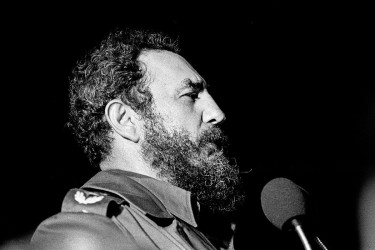
Fidel Castro.
partner

Inventing “Machismo” in the US

Academics and media turned “machismo” into a cultural stereotype during the Cold War.
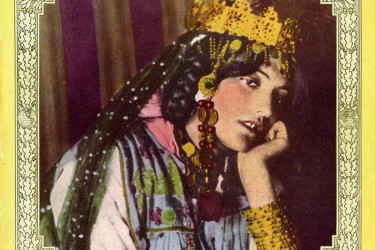
A National Geographic magazine photograph of an Algerian woman.
partner

How National Geographic Conquered American Culture

The magazine’s explosive growth mirrored the nation's emergence as a global empire.
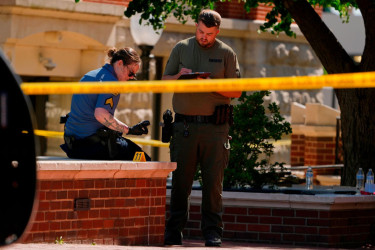
Sheriff’s deputies investigate a shooting scene outside the Montgomery County Courthouse, May 13, 2026, in Clarksville, Tennessee.

Chud the Builder and America’s Tradition of White Racial Terror

Racist livestream “ragebait” reflects a long U.S. tradition of monetized anti-Black humiliation and white grievance.
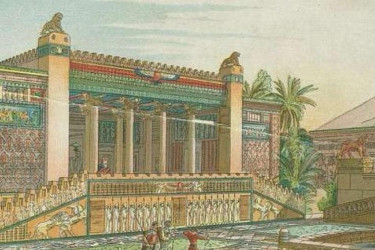
A painting of the city of Persepolis.

When “Persophilia” Swept America

Decades before the Ayatollah, even before the shah, early Americans found themselves enchanted with Iranian culture, politics, and history.
"Be the Change"

“Be the Change.” On the Misattributed Origins of a Popular Slogan

Exploring the clash between progressive activism and new age spirituality.
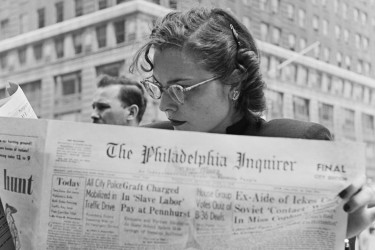
Women reading the newspaper outside.

Americans Once Understood Birthright Citizenship

Newspaper columnists instructed generations of citizens about the Fourteenth Amendment. Today, the country seems to have forgotten how clear the law is.
Throughline
Podcast
Throughline

The Original Clickbait King

When we call something "clickbait," we don't mean it as a compliment. But let's be real: we also click. It's hard to resist a spicy story, and 19th-century newspaper tycoon William Randolph Hearst knew it. At a time when most papers merely reported events, his papers created them, sending reporters out to perform daring rescues, solve sensational murders, and even meddle in geopolitics. Today on the show: the man who brought spectacle and scandal to the news — and changed journalism forever.
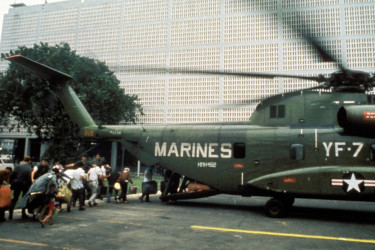
Civilian evacuees board a helicopter inside the U.S. Embassy in Saigon on April 30, 1975

An Elegy for the Foreign Correspondent

In a new book, Elisa Tamarkin retraces her father’s work in Vietnam and untangles the relationship of American newspaper business to the American war machine.
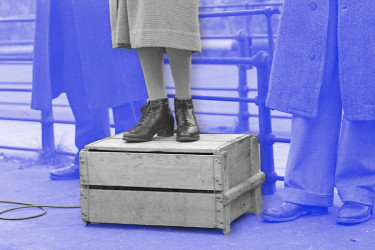
Illustration from a woman standing on a soapbox speaking into a microphone, 1944 Getty/JSTOR Daily
partner

The Golden Age of the American Soapbox

Across the country, impromptu speakers drew crowds and arrests alike, turning public oratory into a defining feature of civic life.
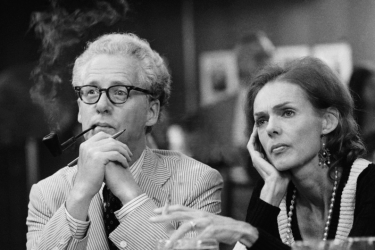
Murray Kempton

Journalism’s Better Days

A new collection of Murray Kempton’s reporting demonstrates how good writing encourages America to do better as a country.
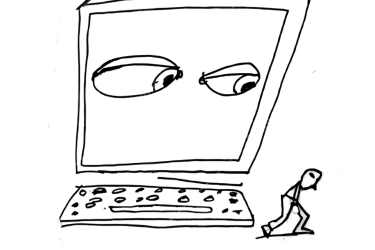
Illustration of a computer with eyes watching a person.

The Information State Isn’t Going Away

US shifts on propaganda efforts show a cycle of dismantling and revival, as tech-driven “information states” blur lines between influence, control, and freedom.

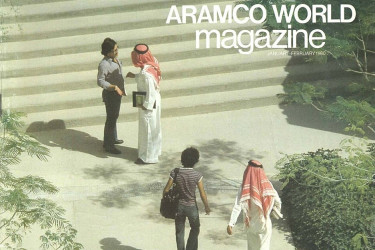
The World of Aramco

How the massive oil company's in-house magazine became a wellspring of cosmopolitan humanism.
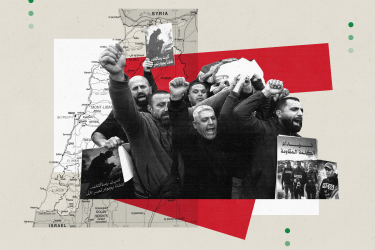
Lebanese protesters imposed over a map of Lebanon and the surrounding countries.

Who Is Left to Cover Lebanon?

A nation that helped shape modern war reporting is now treated as peripheral.
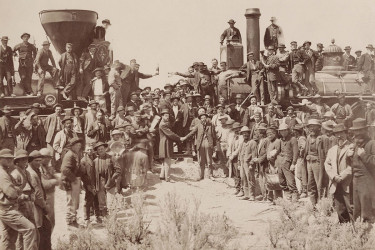
The ceremony for the driving of the golden spike at Promontory Summit, Utah on May 10, 1869
partner

How The West Was Photographed

Railroad photography helped sell an “empty” American West—carefully framing out the people already living there.
Graphic featuring computers crossed out

“Technophobe!” A Short History of An Insult

On the psychology behind the stigmatization of technology rejection.
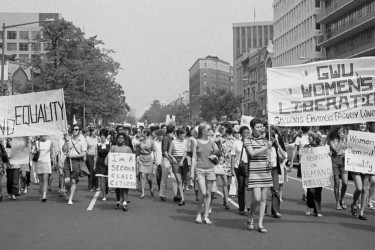
A women's liberation protest.

Bitch: A History

The word can morph from noun to verb to adjective, from dog to human, from female to male. What will it do next?
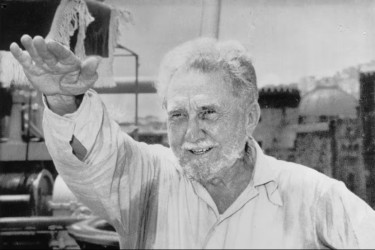
Ezra Pound gives a Fascist-style salute.
partner

An Exculpatory Industry

After World War II ended, the fascist propagandist and poet Ezra Pound returned to the U.S., where he was met with accusations of treason — and literary prizes.
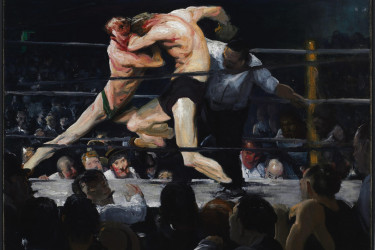
Painting of a boxing match entitled "Stag at Sharkey's" by George Bellows (1909)

How TV Learned to Sell Itself

Sports solved a problem that nearly killed television.