Excerpts

Curated stories from around the web.
New on Bunk
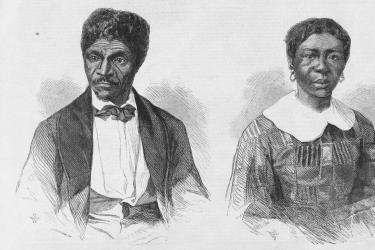
Dred Scott and Harriet Scott drawing.

The War on Reconstruction

The Supreme Court's 5-4 ruling on birthright citizenship is just one battle in the right's larger war on the Second Founding.
A Benjamin Franklin impersonator comedically raising his hand. An American flag waves in the background.

It's Time to Dump the Founding Fathers

Their wealthy successors are still waging class war.
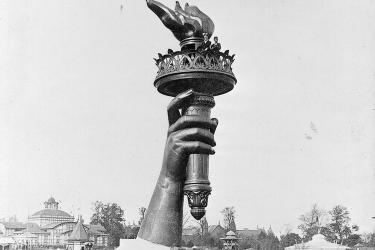
The arm of the Statue of Liberty holds aloft a flaming torch.

An Uncertain Triumphalism

America’s centennial in 1876 was celebrated with a grand exhibition that projected an image of unity and inventiveness in the wake of civil war and recession.
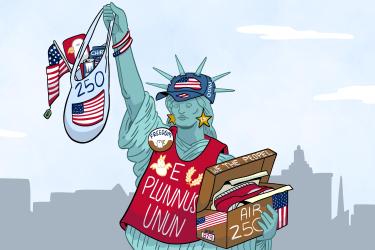
Illustration of the Statute of Liberty holding a 250 bag and carrying tacky merch with misspellings.

"We Hold These Truds": A Search For The Weirdest Piece Of America 250 Merchandise

250th-anniversary merchandise has surged, with an expanding range of commemorative items from novelty souvenirs to widespread retail offerings.
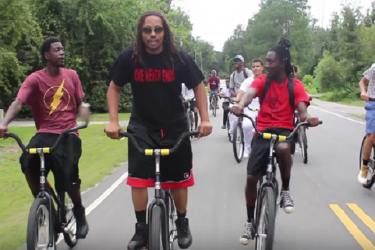
Spiritual Gangsters hip hop group riding bicycles in their music video.

These Gullah Rappers Have a Stern Message for America in Their New Rhymes

A new mixtape from Anthony Johnson and Quintin Smalls talks about Native Islanders’ hopes, fears and frustrations.
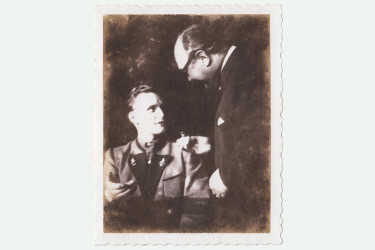
Souvenir Polaroid photograph showing Reinhard Müller on stage with Helmut Schreiber in March 1954 at the Delphin-Palast, Wolfsburg, Germany.

Polaroid’s Secret Showman

Kalanag and the magic of instantaneity.
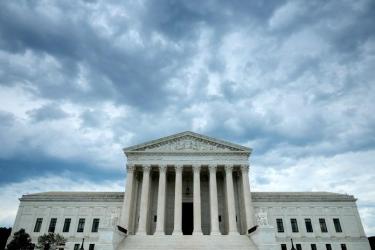
Rain clouds roll over the United States Supreme Court building on June 18, 2026 in Washington, DC.
For Most of Its History, the Supreme Court Didn’t Pretend to Be Apolitical

Early Supreme Court justices were openly political, shaping laws and campaigns, with Dred Scott revealing the Court's limited authority.
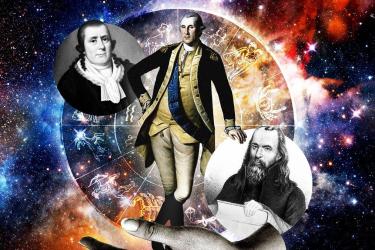
Photo illustration of George Washington and mystics in horoscope and galaxy background.

The American Revolution Was So Much Weirder Than You Think

Alongside the Enlightenment reason we associate with the founding there were mystics, occultists, and conspiracy theorists.
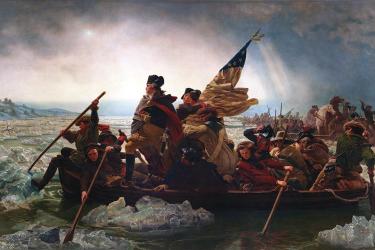
The famous painting of George Washington crossing the Delaware.

Before 1776, There Was 1649

What Oliver Cromwell and the English Revolution meant to America’s revolutionaries.
partner

Young Washington Is Old History

A new movie relies on 19th century myths to portray the very British George Washington as a moralistic proto-American ready to pursue independence. 
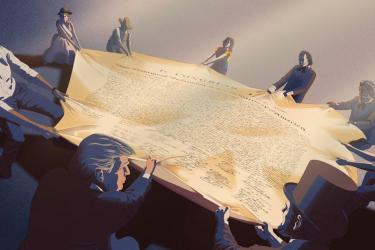
An assortment of figures including, Donald Trump, Barack Obama, and Abraham Lincoln tug at the Delcaration of Independence.

Who Owns the Declaration of Independence?

The Declaration has always been fought over. We can let Trump claim it, or we can take up its battle cry to “alter or to abolish” what’s destroying our country.
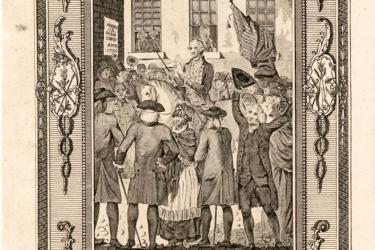
A drawing of the Declaration of Independence being announced to a crowd.

Declarations Before THE Declaration of Independence

Thomas Jefferson's declaration might be the most famous, but it wasn't the first.
“Do You Understand Your Own Language?”

“Do You Understand Your Own Language?”

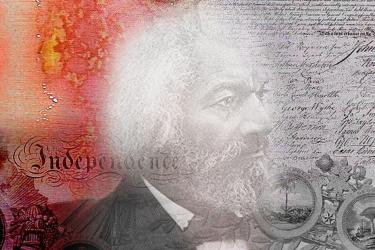
Black radicals read the Declaration of Independence.
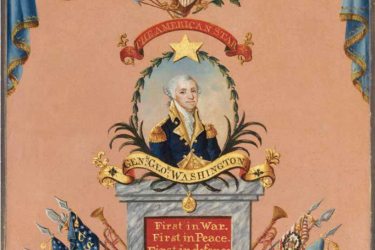
"The American Star" portrait of George Washington with national symbols, by Frederick Kemmelmeyer.

1826: Fashioning the American Myth

The 1826 Fourth of July marked America's 50th anniversary with nationwide celebrations, patriotic art, and reflection amid growing national tensions.
A graphic celebrating the American Bicentennial, with the original flag crossing the modern flag, and Independence Hall next to the Capitol building.

The Revolution at 250: A Conversation

What are the most important insights historians have offered about the American Revolution in the decades since the Bicentennial?
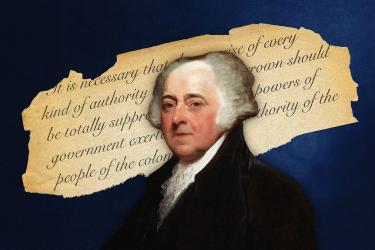
John Adams superimposed over a scrap of parchment with political verbiage on it.

The Preamble Before the Declaration

John Adams’ maneuvering at the Continental Congress brought the independence debate to a head 250 years ago this week.
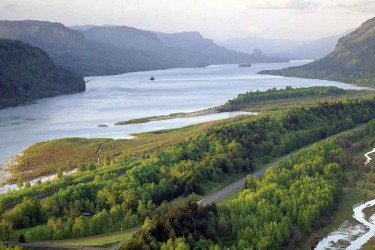
A river

Rivers, Rights, and Riveting Historiography

How rivers reshape our history as they do our landscapes.
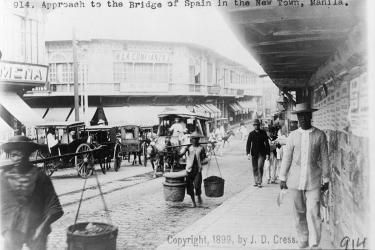
Approach to the Bridge of Spain in the New Town, Manila, 1899
partner

The Crime That Wasn't Called Sodomy

In the American Philippines, officials used vagrancy laws to police same-sex relations while avoiding explicit bans.
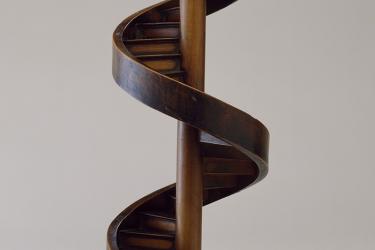
Model for spiral staircase, 19th century
partner

Declaring “Revolution”

Even after the fighting started, it took years before American Patriots started calling their cause a “revolution.”
Collage of various photographs from the 20th century figures.

Entwinings

Literature and history, fathers and sons, writers and readers.
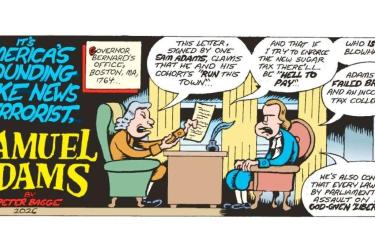
Political Cartoon header depicting two men discussing Sam Adams.

It's America's Founding Fake News Terrorist, Samuel Adams

Samuel Adams sets his sights on Tory lackeys.
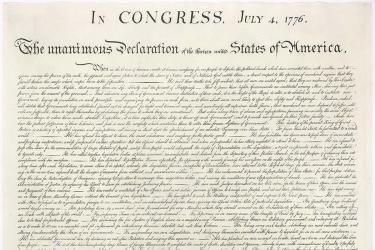
The Declaration of Independence.
partner

Who Wrote the Declaration of Independence?

The Second Continental Congress adopted the Declaration of Independence on July 4, 1776. Thomas Jefferson was not then credited with its authorship.
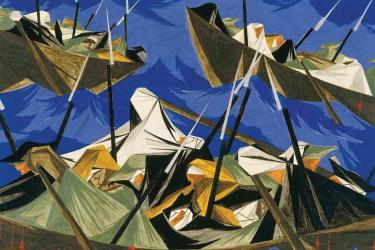
Jacob Lawrence, detail from Struggle Series—No. 10: Washington Crossing the Delaware, 1954.

The Art of the American Revolution Across the Generations

The United States’ founding moment from Washington Crossing the Delaware to the paintings of Jacob Lawrence, Kara Walker, and Kent Monkman.
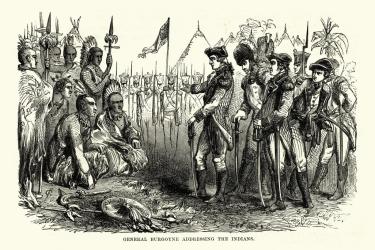
An illustration of British General John Burgoyne addressing a group of his Native allies.

Native Nations Fought in the American Revolution to Protect Their Ancestral Lands

The conflict divided the six tribes of the Haudenosaunee Confederacy, most of whom decided to join the British. The former allies clashed in 1777.
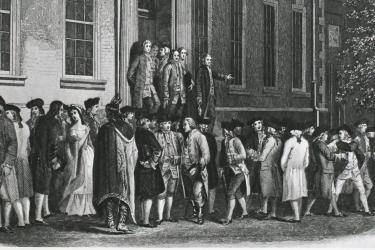
The announcement of the Declaration of Independence on July 4, 1776, in Philadelphia.

The American Revolution’s Triumphant Story of Democracy and Freedom Overlooks Loyalists

Matthias Aspden was a wealthy Philadelphia businessman who remained faithful to Britain. As a result, he lost his home, property and sense of belonging.
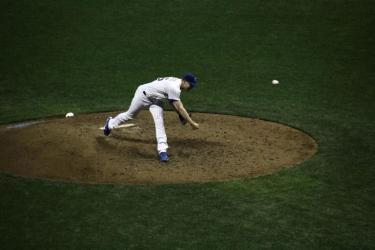
Corey Knebel throwing a curveball, 2017

When Baseball Threw Physics a Curve

Sports, science, and collective delusion.
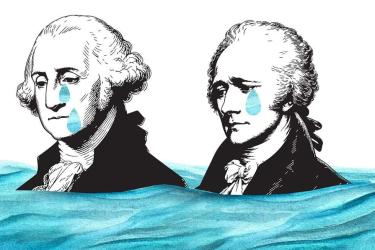
George Washington and Alexander Hamilton, drawn to be crying, and up to their shoulders in water/tears.

Disillusioned Revolutionaries

Many founders died in despair about the American experiment.
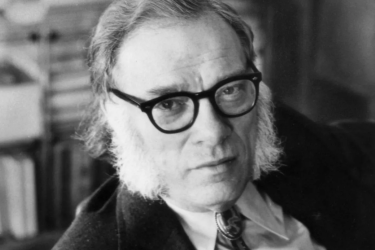
Isaac Asimov

35 Years Ago, Isaac Asimov Predicted the World of 2019

The famed science fiction writer was wrong about world government, but pretty close on robots.

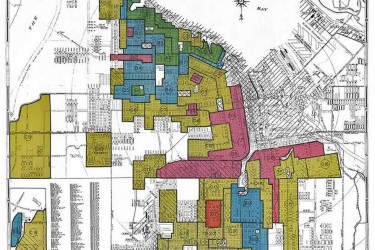
How Racism Kept Black Tacomans From Buying Houses for Decades

The effects of the racist federal policy, called redlining, shapes Tacoma neighborhoods decades later.

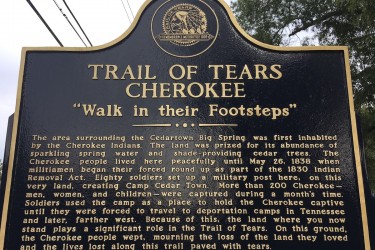
'Never, Ever Going to Forget': 180 Years Since the End of the Cherokee Trail of Tears

Commemorating the anniversary of the last detachment of Cherokees that arrived in current-day Oklahoma.
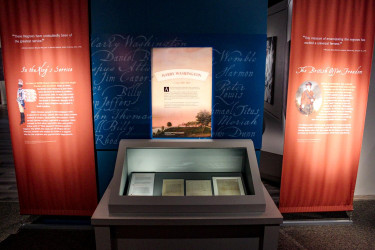
Exhibit on Harry Washington at the American Revolution Museum

Lord Dunmore's Proclamation: Information and Slavery

Dunmore’s Proclamation was an information document, capitalizing on the institution of slavery, designed to influence the population.
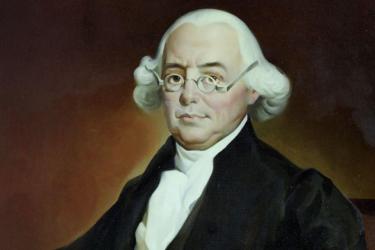
James Wilson

The Forgotten Founder

How did we forget the man who coined ‘We the People’?
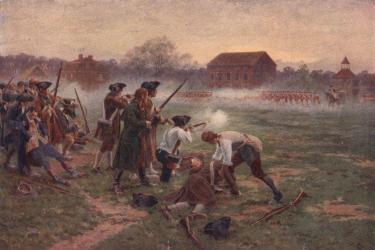
A battle from the Revolutionary War, of a rag-tag Patriot army fighting the British in a line.

The Declaration of Independence and the Rule of Law

The Founders' ideas of where law comes from, and who does and does not have the authority to make it, can guide us today as our grievances parallel theirs.
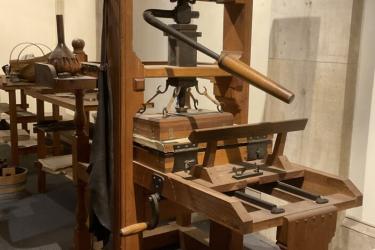
John Peter Zenger printing press, Federal Hall National Memorial, New York, NY.

Founding Gift: John Peter Zenger and the Declaration Of Independence

How a printer's risky defiance of a colonial governor, and his attorney's creative defense, laid the foundation for the US's commitment to freedom of the press.
A video camera on a tripod recording a man sitting in a chair.

Our Amish Language

As my community modernized, we used Pennsylvania Dutch less and less. Now I'm trying to preserve it.
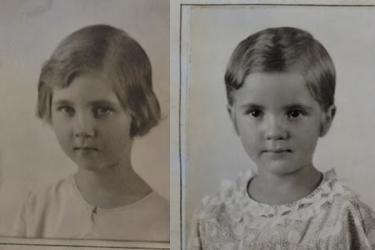
Portrait photos of two little girls, sisters Lilly and Olga Cushneroff, who were refugees.
partner

Refugees in an Age of Immigration Restrictionism

The history of refugee protections during America's restrictionist era challenges common comparisons to modern immigration policy.
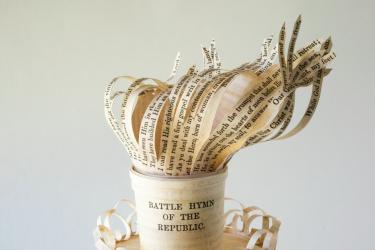
A paper sculpture of a torch reads "Battle Hymn of the Republic."

The ‘Battle Hymn’ Can’t Be Ignored

The rousing urgency of the song seems to possess a power that, according to its own lyrics, “transfigures you and me.”
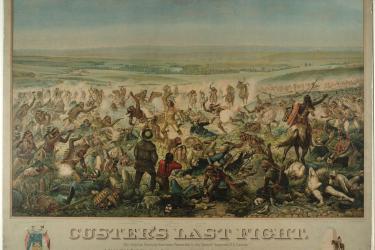
A painting of the Battle of Little Bighorn titled "Custer's Last Fight."

The Battle of Little Bighorn and Why It Never Ends

Custer’s last stand was 150 years ago. As America wrestles with its 250th birthday, this commemoration also cuts to the heart of who we are.
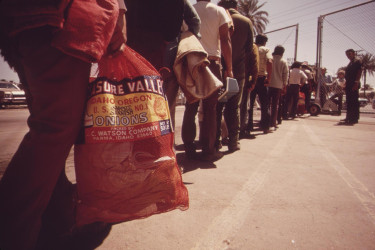
Migrant workers in line to cross the border back to Mexico.

Fascism’s Building Blocks: 100 Years of Murdering Migrant Workers

Today's alliance between capitalists, the state, and fascist movements, mobilized against immigrants and workers' movements, echoes the 1910s.
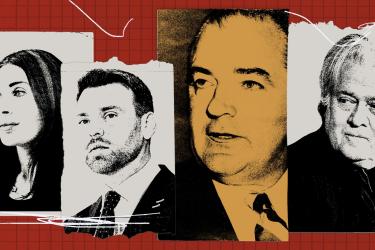
Joseph McCarthy portrait alongside portraits Steve Bannon and other right wing figures.

‘We Need to Do McCarthyism to the Tenth Power’

Conservative influencers are pushing for a return to the dark days of 1950s inquisitions.
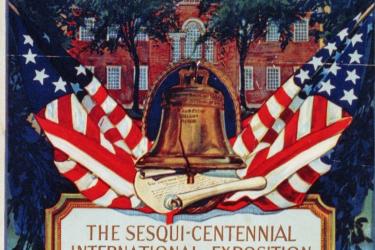
Poster for Sesquicentennial International Exposition in Philadelphia, 1926.

What Caused the American Revolution? Historians’ Views From the Sesquicentennial Era

Historians today may have varying interpretations of what caused the Revolution, just as their predecessors did a century ago.
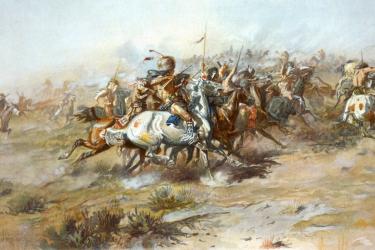
"The Custer Fight" (1903) by Charles Marion Russell

The Importance of the Battle of the Little Bighorn

The cultural lessons at the heart of Custer's failure.
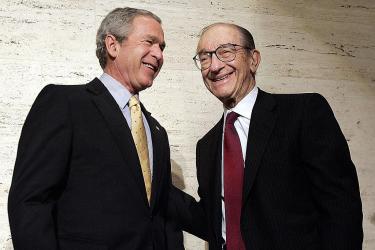
Alan Greenspan with George W. Bush

Alan Greenspan Was a Faithful Servant of the Ruling Class

Federal Reserve Chairman Alan Greenspan was ideologically flexible but devoted servant of the powerful and a leading organizer of the war on US workers.
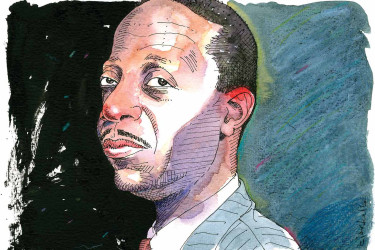
Harry Haywood

Harry Haywood and the Radical Politics of Black Communism

For Haywood, a truly radical working-class politics in the United States also required a program of self-determination.
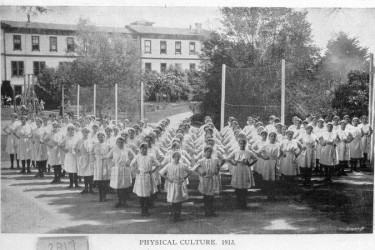
Physical education class at Nelson College for Girls in 1913.

The Origins of American Women’s Exercise

Sex-specific physical education granted women rare authority over their bodies, but also promoted a narrow biological model of womanhood.
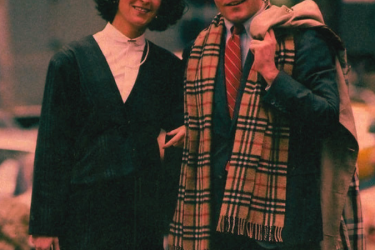
Yuppies in preppy clothes.

Who to Blame For the Rise of the Yuppie? Investment Banks, Obviously

How financialization remade corporate America and Wall Street.
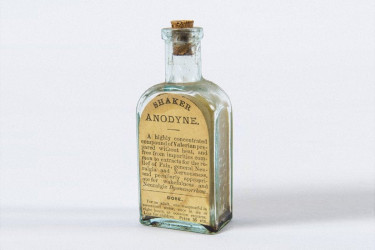
A bottle of patent medicine.
partner

A Trusted Name in a Dubious Drug Market

Amid the fraud and flimflam of early drug markets, Shakers stood for purity, creating a brand others were eager to exploit.
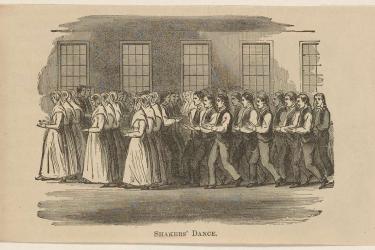
Shakers stand in rows dancing.

A Different Story of What Shaped America

In the decades following the American Revolution, it was American Protestantism that was most important in shaping the development of American nationalism.
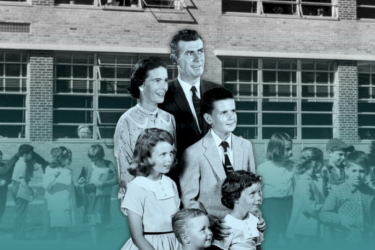
A photo of a mid-twentieth century family superimposed over a schoolyard full of children.

Mass at the Drive-In Theater

With the fluctuating popularity of suburbia in the latter half of the 20th-Century, the Catholic Church had to constantly adapt.
Illustration of a person wearing a computerized headset

The Artificial Intelligentsia

Picking Silicon Valley’s future winners is still, some six decades since the birth of modern venture capital, more art than science.
Filter by:

Categories

Select content type

Time