Excerpts

Curated stories from around the web.
New on Bunk
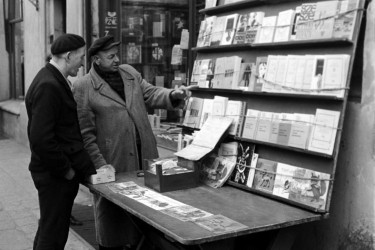
A bookseller in Bydgoszcz’s market square, Poland, 1967

Idea Smugglers

When the CIA distributed banned books behind the Iron Curtain.
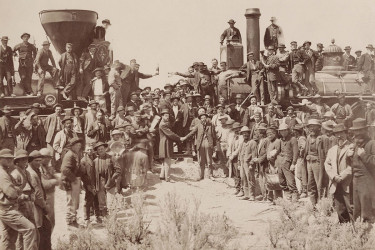
The ceremony for the driving of the golden spike at Promontory Summit, Utah on May 10, 1869
partner

How The West Was Photographed

Railroad photography helped sell an “empty” American West—carefully framing out the people already living there.
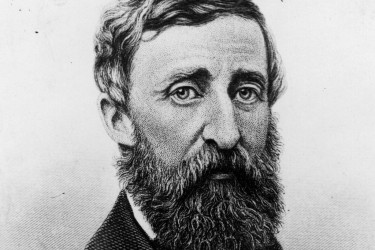
Henry David Thoreau

Thoreau Challenged America to Live Up To Its Own Ideals

A new PBS documentary reveals the Thoreau often softened in high school textbooks.
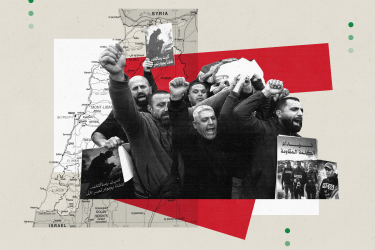
Lebanese protesters imposed over a map of Lebanon and the surrounding countries.

Who Is Left to Cover Lebanon?

A nation that helped shape modern war reporting is now treated as peripheral.
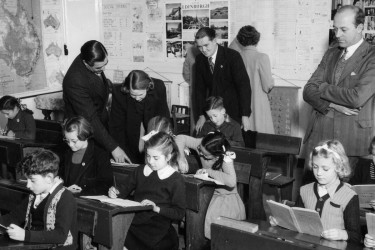
Adults supervise children reading at school

How to Bring Back School Prayer

The Court’s new ruling revives religion in public life—but is it restoring tradition, or reshaping the boundary between church and state?
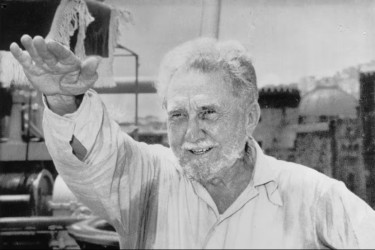
Ezra Pound gives a Fascist-style salute.
partner

An Exculpatory Industry

After World War II ended, the fascist propagandist and poet Ezra Pound returned to the U.S., where he was met with accusations of treason — and literary prizes.
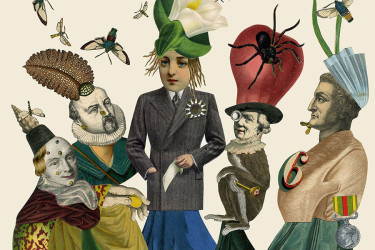
Historical figures dressed as clowns and freaks, with bugs and flowers.

All of Us Yahoos

A new history of satire wants to limit the genre to its political ramifications, but satirists are often interested in the whole person.
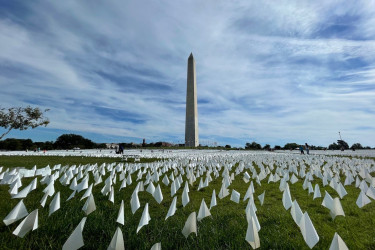
White flags in front of the Washington Monument to honor those who died of COVID-19

COVID Probably Killed 150,000 More People in Its First Two Years Than Official U.S. Tolls Show

We have severely undercounted the number of COVID deaths, scientists say.
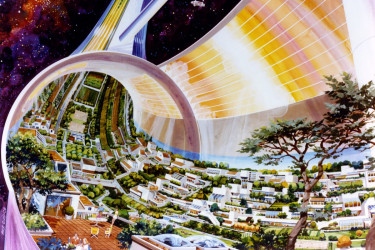
Imagined interior of a space settlement, a dome covering buildings and trees.

Where’s My Orbital Habitat?

NASA has always balanced the fantastical against the sensible. What happens when the scales start to tip?
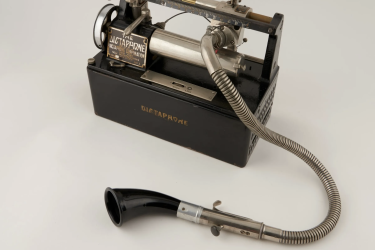
Dictaphone

How the Dictaphone Entered Office Life

Bell’s and Edison’s inventions turned executives into “dictators.”
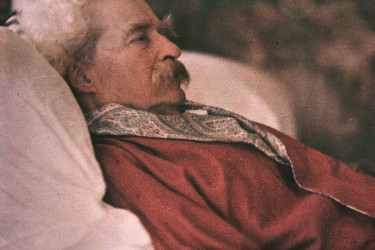
Mark Twain, in his old age, laying down reading a book.

Mark Twain's Religion

Mark Twain wasn’t a nihilist but held a complex, evolving spiritual outlook shaped by liberal religion.

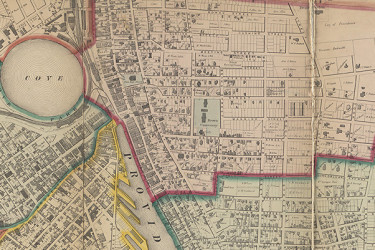
Dr. Edwin Snow and the 1854 Cholera Outbreak in Providence, Rhode Island
Data-driven epidemiology and the professionalization of public health.
Trita Parsi

The Hidden Influences Behind the Pointless War in Iran

Why the conflict strengthens Israel, weakens the United States, and devastates ordinary Iranians.

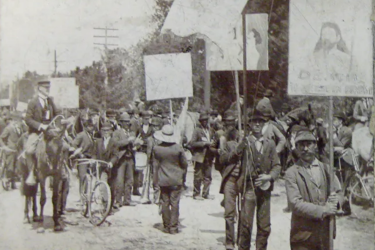
How a Ragtag Band of Reformers Organized the First Protest March on Washington, D.C.

The first March on Washington was a madcap affair, but in May of 1894, some 10,000 citizens descended on D.C., asking for a jobs bill.

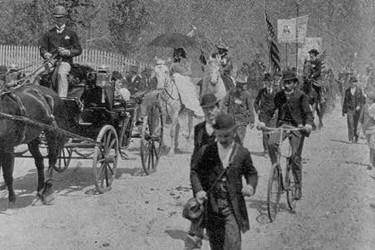
Coxey’s Army

A 19th century reality show that pushed “peace on earth, good will toward men, but death to interest on bonds.”
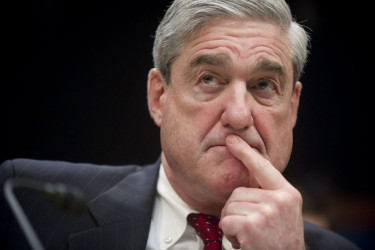
Robert Mueller

Remembering Robert Mueller

The reporting subject I knew best.
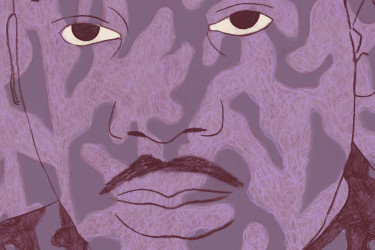
Illustration of Martin Luther King Jr. face.

The Martin Luther King Jr. We Don’t Know

His work with gang members in Chicago shows how much he valued the part played by young people in the Black freedom struggle.
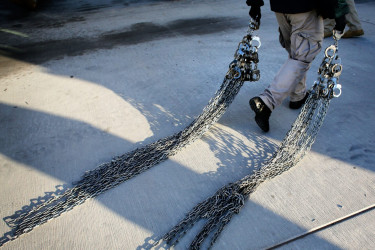
Law enforcement officer dragging dozens of handcuffs and chains behind him.

Hunted and Banned

Efforts to control Black mobility—from early passports to the Fugitive Slave Act—laid much of the groundwork for today’s border regimes.
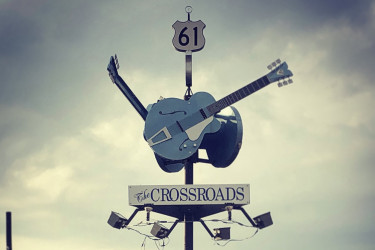
"The Crossroads" monument in Clarksdale, Mississippi.

"Sinners" and the Bad History of the Blues

Essentializing the Delta-Chicago connection used to be a white-boy game.
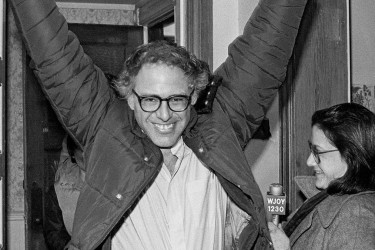
Bernie Sanders

Becoming Bernie

How a New Deal Brooklyn boyhood, and a certain Manhattan storefront, sent Senator Sanders to the Green Mountains that formed him.
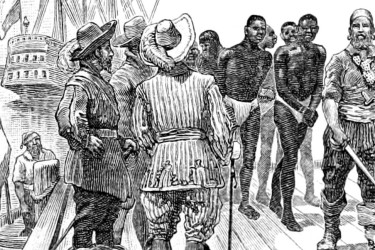
Enslaved Africans on a dock, having disembarked a ship guarded by their captors.

Looking Back at 1619 in 2019–2021, and Beyond

1619 Project reignited debate over slavery’s origins, exposing tensions between continuity vs change in U.S. history and competing “origin stories.”
Drawing of African men being captured and chained by white men.

UN Votes to Recognise Enslavement of Africans as 'Gravest Crime Against Humanity'

The landmark resolution calls for an apology and contributions to a reparations fund, without specifying an amount.
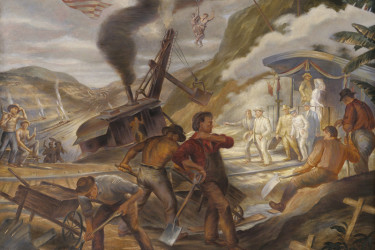
Painting "T. R. in Panama," showing dirty, tired workers and headstones in darkness, and Roosevelt wearing white and bathed in light.
partner

A Roosevelt Corollary for the World

Donald Trump didn’t bring back the Monroe Doctrine. That was the work of the 26th president — and many of the presidents who succeeded him.
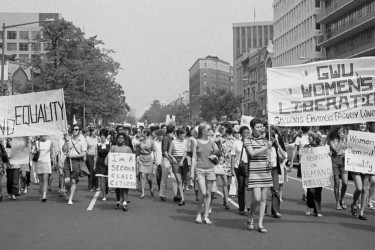
A women's liberation protest.

Bitch: A History

The word can morph from noun to verb to adjective, from dog to human, from female to male. What will it do next?
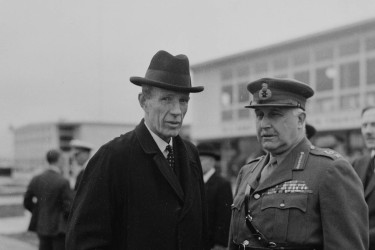
Lord Halifax, British Ambassador to the United States

The Aristocratic Ambassadors Who Won America Over

In securing US support for Britain during WWII, lords Lothian and Halifax set the standard for future ambassadors.
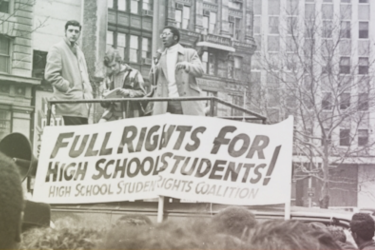
High School Student Rights Coalition protest.

How Black Students Fought for Justice in a Forgotten High School Sit‑In

The largest high school student uprising in Cincinnati, Ohio, during the 1960s involved students sitting on their butts.
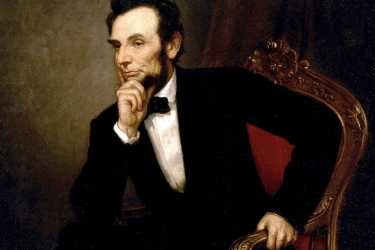
Official portrait of Abraham Lincoln, by George PA Healy, 1869.

‘A Partisan and Politician’: Abraham Lincoln and the Art of the Deal

A new book takes a fresh look at a well-studied political figure, showing him to be a master of party politics.
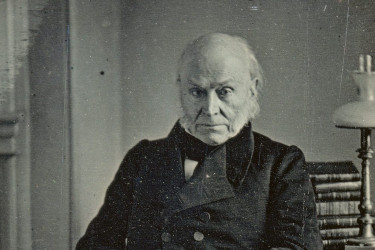
John Quincy Adams.

John Quincy Adams

Short-term defeat does not end long-term influence.
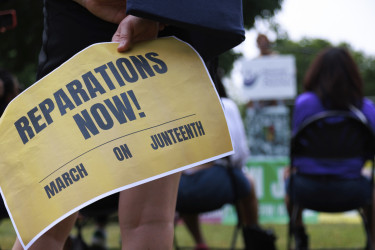
A person holds a sign reading “reparations now!”

Why Not for Black People?

The United States government has in fact recompensed injured groups in the past. So why won’t it do it for Black Americans?
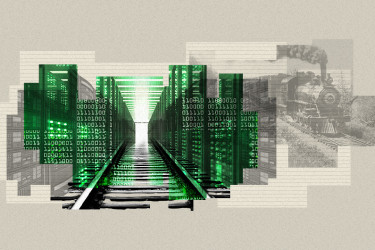
Composite image of data center and railroad tracks.

The AI Data Center Boom Looks a Lot Like the Railroad Bubble

Massive data centers are rising to power AI. The hype echoes how the railroad barons once sold their vision of the future leaving the public paying the costs.
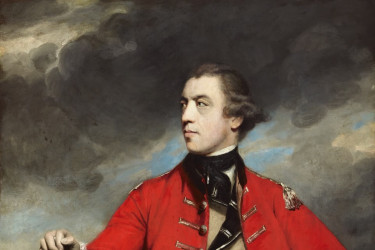
General John Burgoyne. (The Frick Collection)

A British General’s Lost Journal Reveals Life Inside the Siege of Boston

Breaking history: A key moment in the Revolution looks different through John Burgoyne’s eyes.
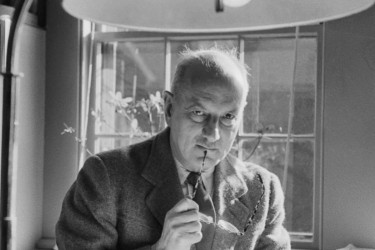
Lewis Mumford

AI and the Myth of the Machine

Lewis Mumford identified the religious language used by techno-optimists as evidence of a belief system shaping our "seemingly rational age."
A child resisting being fed broccoli

How Children Learned to Hate Food

On the origins of pickiness.
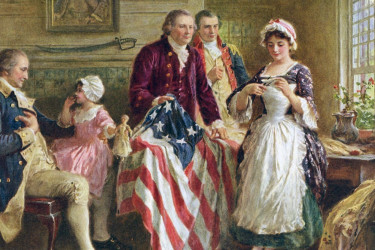
Betsy Ross showing her flag.

What Betsy Ross’ Story Tells Us About Women’s Work in the Revolution

Ross probably didn’t sew the first American flag, but she was one of many craftswomen whose wartime labor helped build a nation.
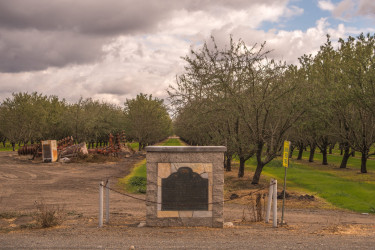
Mussel Slough historical marker.

The Massacre That Made Modern California

Mussel Slough reminds us that the Feds never fight fair and that people can rise up and reform the system.
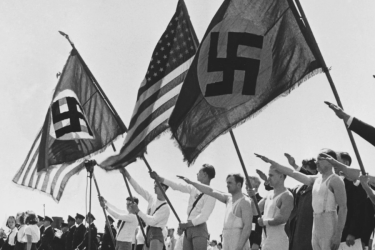
People holding and saluting the American and Nazi flags.

Nazis In America, c. 1938-1941

Nazi influence grew in 1930s America via the Bund, sparking backlash, mob resistance, and major FBI efforts to expose and dismantle spy networks.
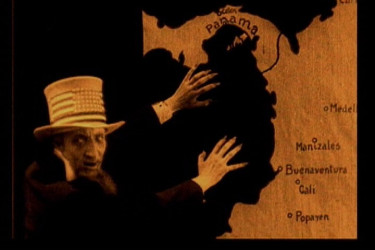
Uncle Sam pointing covetously to map of Panama and Colombia.

The Ghost of the Roosevelt Corollary and the Lies Behind Intervention

U.S. justifies Latin American intervention by distorting realities, linking 1902 Colombia actions to 2026 Venezuela controversy.
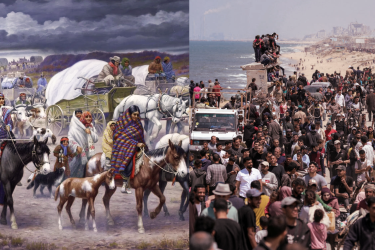
Side-by-side images of Cherokee Trail of Tears and Palestinian forced migration.

First the Cherokee, Now the Palestinians

Revisiting U.S. attitudes toward the Cherokee shows how the rhetoric of oppressors stays consistent. The rationalizations for ethnic cleansing do not change.
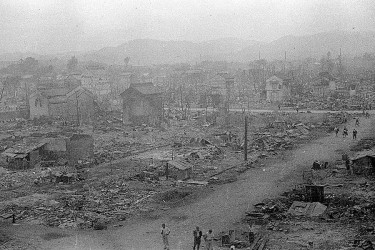
Black and white photograph of a town destroyed by firebombs.

A Man-Made Disaster

There has never been a moral and historical reckoning with the horrors inflicted by the Allied firebombing of Japan during World War II.
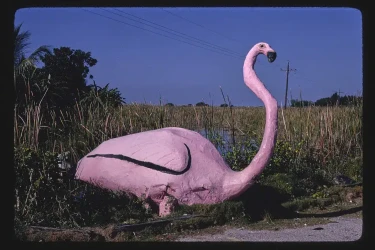
Roadside flamingo statue, Frog City, Route 41, Florida (1980)

The Return of the Oppressed

On the recovery of queer history long obscured by state censorship.
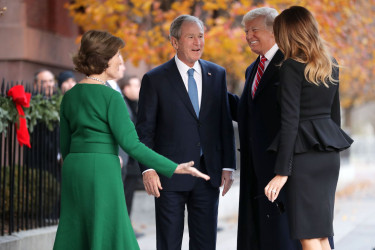
Former President George W. Bush, former first lady Laura Bush, President Donald Trump and first lady Melania Trump.

The Uncanny Echoes of Iraq in Trump’s War With Iran

The president has often defined his foreign policy approach in opposition to the Bush administration’s, but he is following in its footsteps.
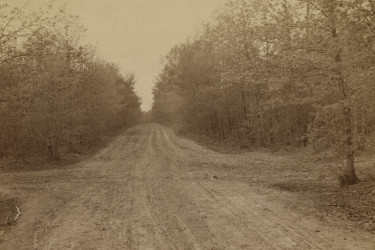
The Wilderness, 1887 photograph of an empty crossroads in the woods, by William H. Tipton.

An Unsettling Civil War Photograph

An image from the Battle of the Wilderness.
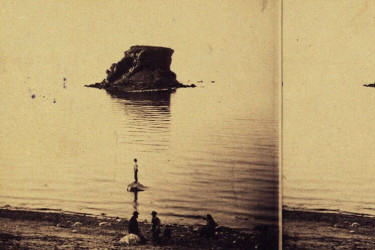
Person standing on a rock, others on shore, in the Great Salt Lake.

Troubled Salt Waters

Caroline Tracey’s “Salt Lakes” is less the jeremiad of an outraged conservationist than a tender bildungsroman.
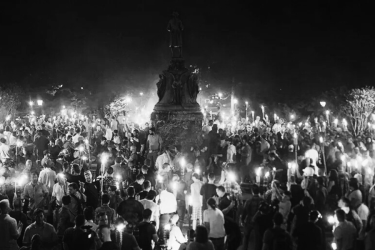
Unite the Right rally gathers with torches around Robert E. Lee statue in Charlottesville in 2017.

On the Laughable Origins of the Far Right’s Beloved “Great Replacement Theory”

How a fringe idea made its way from rural France to the heart of American power.
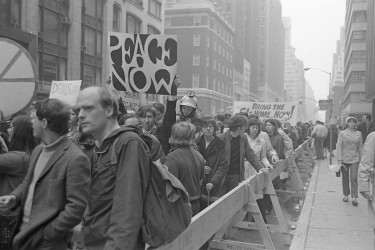
Anti-Vietnam War Protest in a city.

Sectarianism Has Never Ended a War

Antiwar movements succeed through broad, focused mass action, not sectarian rhetoric or liberal compromise, using Vietnam-era lessons for today.
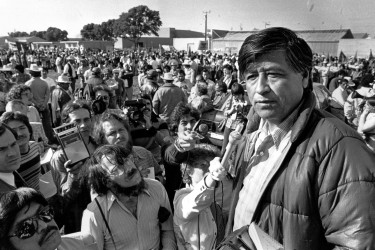
Chavez in Salinas, California, in 1979.

What Cesar Chavez Cost the Movement

His crimes against women and his 'too big to fail' persona created immeasurable harm.
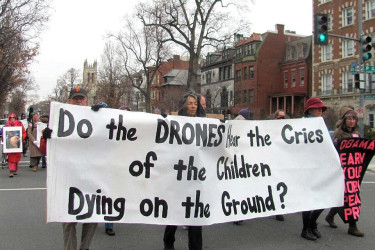
Protesting Obama’s second inauguration, January 2013

The Legacy of Obama's Drone Wars

Who paved the road to Trump's war?
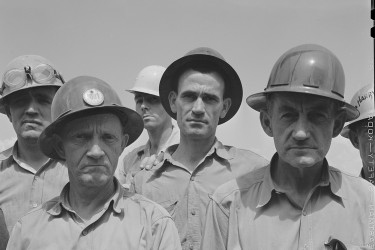
Workers at Watts Bar Dam, Tennessee. Tennessee Valley Authority (TVA). Arthur Rothstein, photographer, 1942. Courtesy the Library of Congress.

The First Prophet of Abundance

We still have a lot to learn from David Lilienthal’s account of his years running the Tennessee Valley Authority.
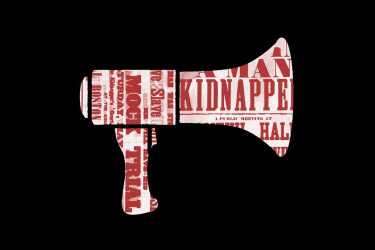
Collage of megaphone made from broadsides about Fugitive Slave Law kidnappings and trials.

What ICE Should Have Learned from the Fugitive Slave Act

Americans took to the streets to defend their neighbors in the nineteenth century, too.
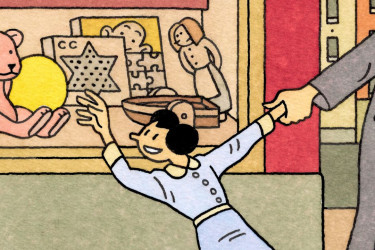
A drawing of a little girl looking into a toy display, while her mother grabs her hand.

The Race to Give Every Child a Toy

For most of history, parents couldn’t buy their kids dolls, action figures, or the like. Then playtime became big business.
Filter by:

Categories

Select content type

Time